
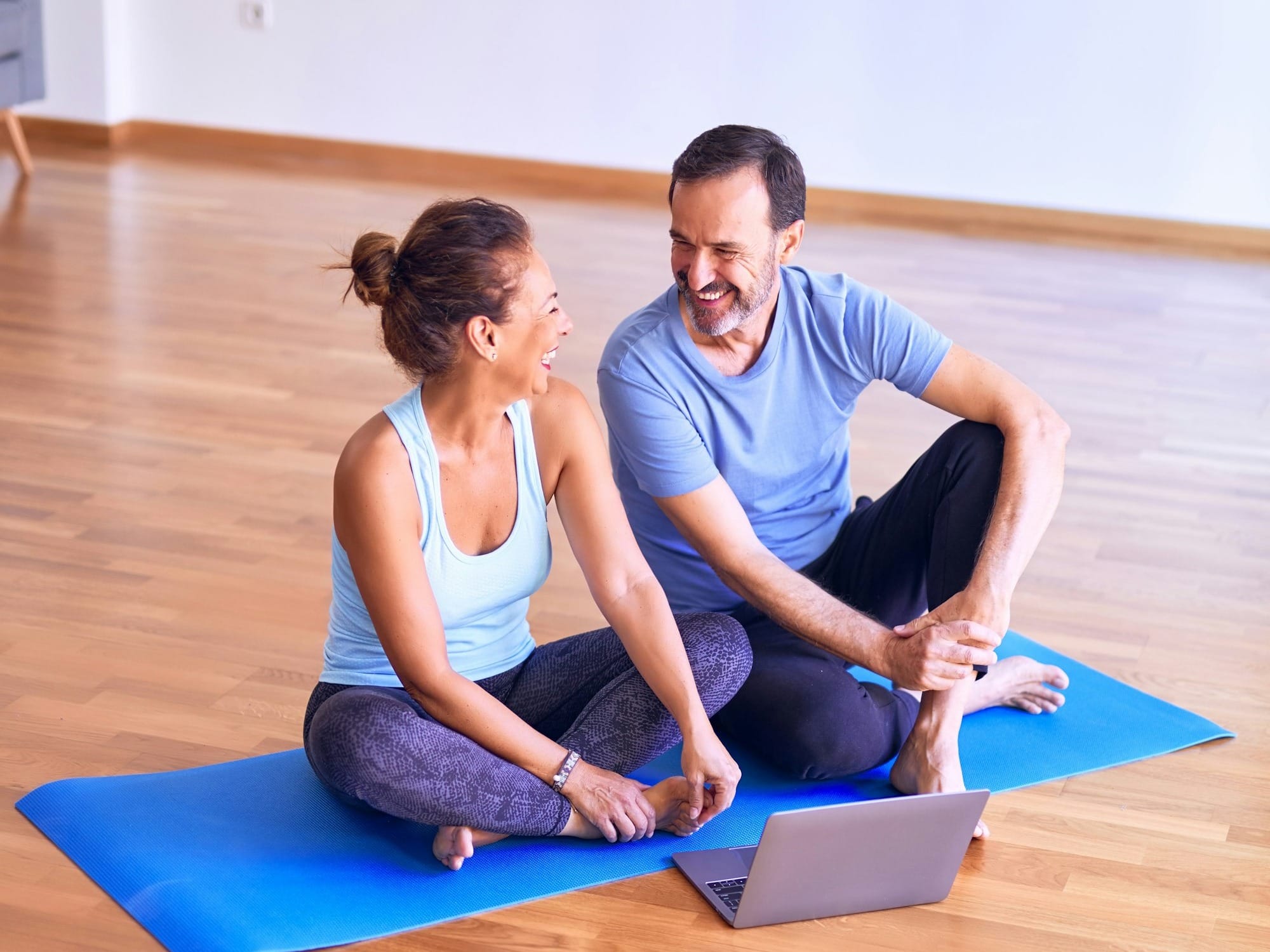
What Are the Best Fitness Apps for People Over 40?
The best fitness apps for people over 40 are those that balance strength training, moderate cardio, and recovery, rather than focusing only on high-intensity workouts.
Research shows that sustainable weight loss and long-term health after 40 depend on preserving muscle mass, managing recovery, and maintaining consistency across different types of movement.
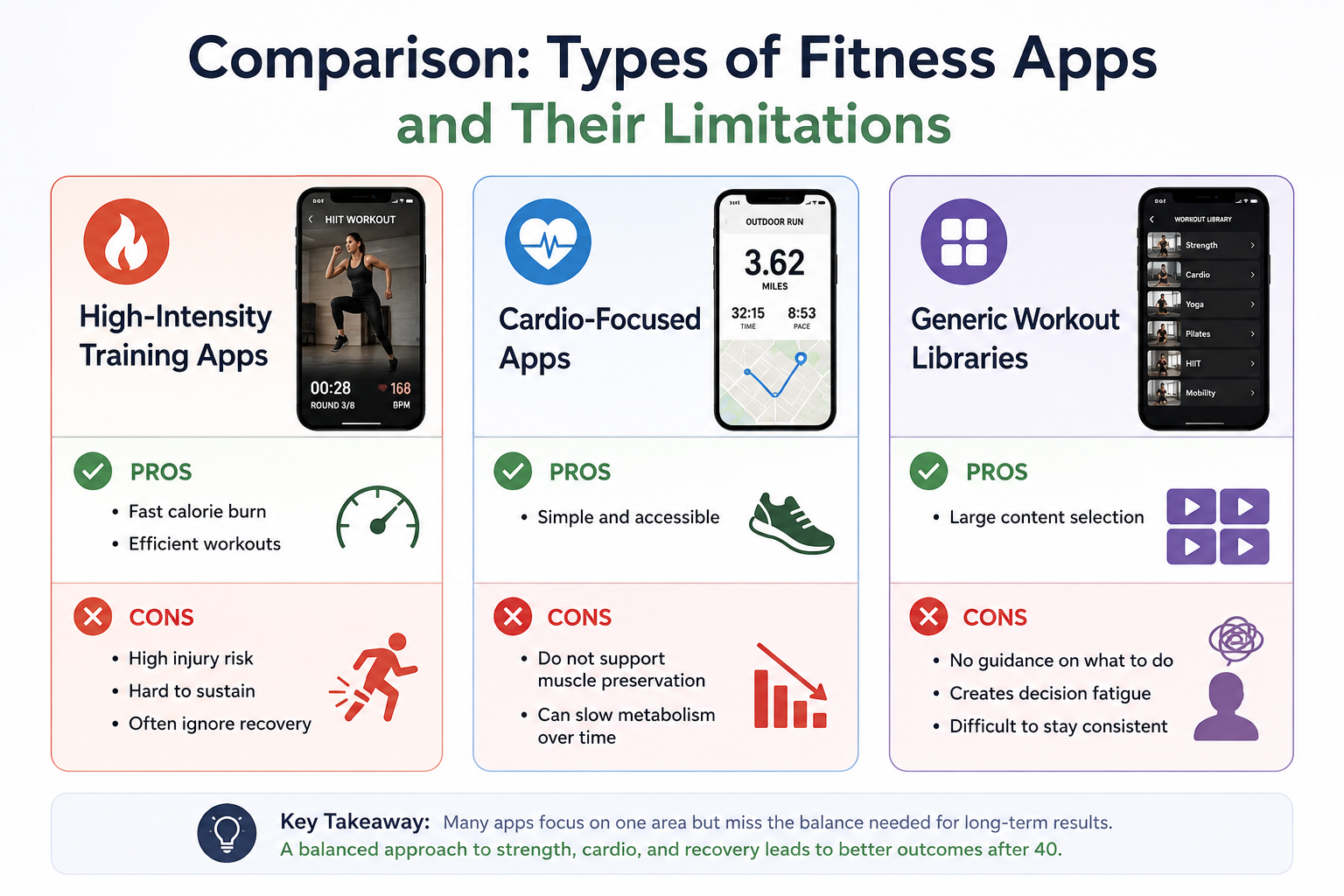
Most popular fitness apps are designed for younger users and emphasize intensity, speed, and calorie burn. For adults over 40, this approach often leads to fatigue, injury, or inconsistency.
The best apps take a different approach. They focus on balance, adaptability, and long-term health.
Why Fitness Apps Need to Be Different After 40
After 40, the body responds differently to exercise:
- Muscle mass declines without strength training
- Metabolism slows slightly
- Recovery takes longer
- Hormonal changes affect fat storage and energy
According to the American College of Sports Medicine and the World Health Organization, effective fitness for midlife adults should include:
- Strength training at least 2 days per week
- Moderate-intensity cardio for cardiovascular health
- Mobility and recovery to maintain joint function
Apps that ignore one of these areas often fail to deliver results.
What to Look for in a Fitness App After 40
1. Balanced Training, Not Just Intensity
The app should include:
- Strength workouts
- Cardio sessions
- Mobility or recovery routines
Programs that focus only on high-intensity training increase injury risk and reduce long-term adherence.
2. Adaptability to Your Energy and Recovery
Your ideal workout changes based on:
- Sleep
- Stress
- Workload
- Physical fatigue
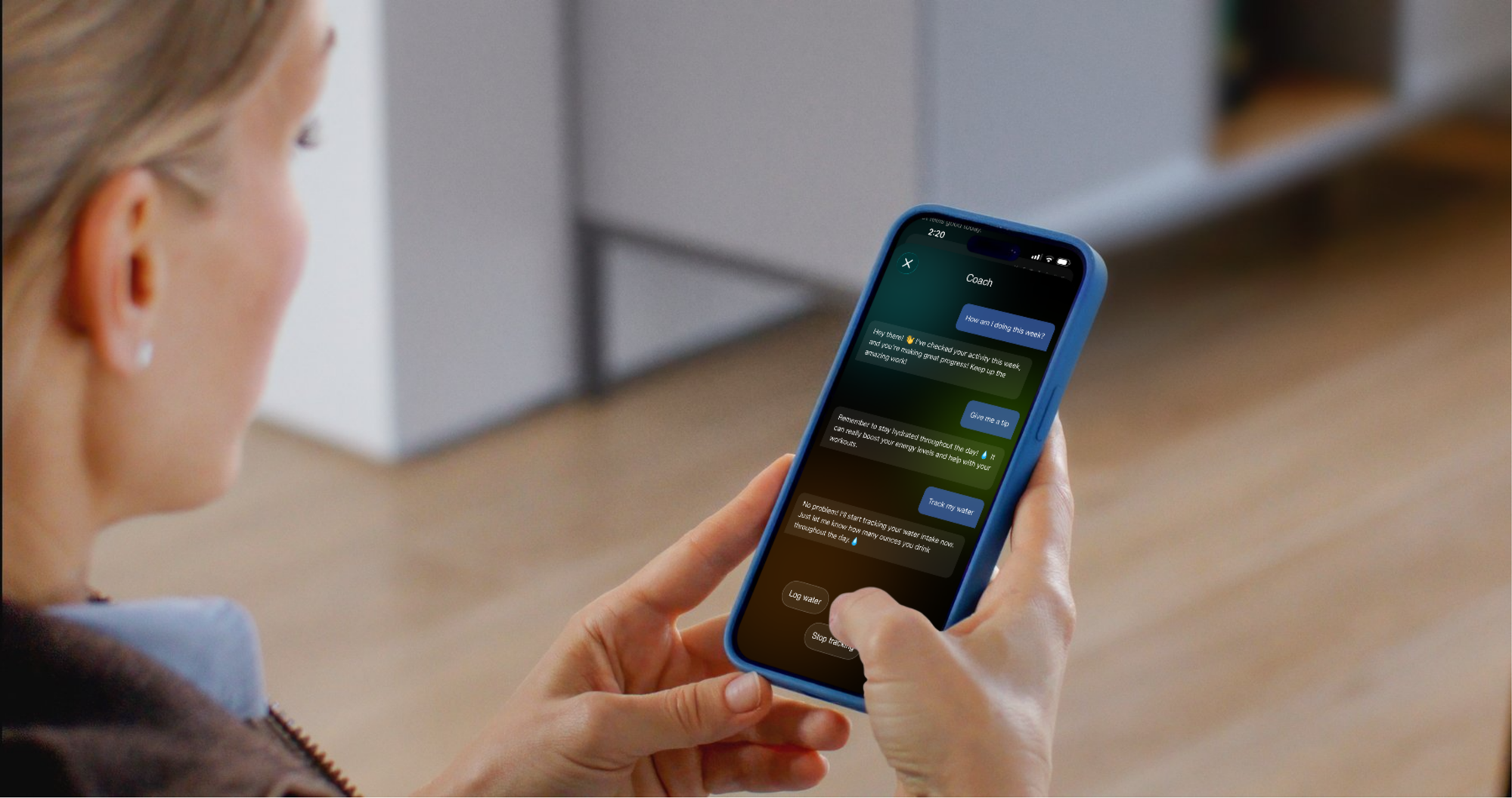
Apps that provide flexible, adaptive guidance are more effective than rigid plans.
3. Short, Consistent Sessions
Research shows that shorter, consistent workouts improve adherence and long-term outcomes.
Look for apps that offer:
- 10 to 30 minute sessions
- Flexible scheduling
- Low setup requirements
4. Low-Impact Options
Joint-friendly training becomes more important after 40.
The best apps include:
- Low-impact cardio
- Controlled strength training
- Mobility and flexibility work
A Smarter Approach: Balanced, Guided Movement
The most effective fitness apps for people over 40 follow a simple principle:
You do not need more workouts. You need the right mix of workouts each week.
This means combining:
- Strength for metabolism
- Cardio for energy and fat loss
- Mobility for recovery and longevity
Why Step.co Is Built Differently
Step.co is designed specifically around this balanced approach.
Instead of focusing on one type of training, Step is built on three movement targets:
- Strength
- Cardio
- Mobility
What makes this effective
- You do not need to plan your weekly routine manually
- Your movement is distributed across all essential areas
- You avoid overtraining or neglecting recovery
- You stay consistent without burnout
For people over 40, this approach aligns with how the body actually adapts.
Why This Works Better for Weight Loss After 40
Research shows that fat loss is not just about burning calories. It depends on:
- Preserving muscle mass
- Managing stress and recovery
- Maintaining consistent activity
By balancing strength, cardio, and mobility, Step supports:
- Better metabolic health
- Improved recovery
- More sustainable routines
This leads to more consistent long-term results compared to extreme programs.
Who This Type of App Is Best For
This approach works particularly well for:
- Busy professionals who need flexible workouts
- People over 40 focused on longevity
- Beginners restarting fitness
- Anyone who finds high-intensity programs hard to maintain
Frequently Asked Questions About Fitness Apps for Over 40
What is the best type of fitness app for people over 40?
The best fitness apps combine strength, cardio, and recovery instead of focusing only on high-intensity workouts. Balanced programs are more effective for long-term health and weight loss.
This is why platforms like Step.co structure workouts across multiple movement types rather than a single focus.
Do I need high-intensity workouts to lose weight after 40?
No, high-intensity workouts are not required and can reduce consistency if overused. Moderate, repeatable training often leads to better long-term results.
Step supports this by guiding you toward balanced weekly movement instead of pushing intensity every day.
Can I use a fitness app at home and still get results?
Yes, home workouts can be just as effective if they include strength, cardio, and mobility.
Step is designed for home use with guided sessions that require no equipment.
How often should I use a fitness app per week?
Most people benefit from 4 to 6 sessions per week with a mix of different movement types.
Step simplifies this by helping you distribute your weekly activity across strength, cardio, and mobility targets.
Why do most fitness apps not work long term?
Many apps fail because they focus on intensity instead of sustainability.
They often:
- Ignore recovery
- Overemphasize cardio or HIIT
- Require unrealistic schedules
Step addresses this by focusing on consistency and balanced movement.
Final Takeaway
The best fitness app after 40 is not the one that pushes you the hardest. It is the one you can follow consistently.
To lose weight and stay healthy, you need:
- Strength to support metabolism
- Cardio for energy and calorie burn
- Mobility for recovery and longevity
When these are combined in a structured and sustainable way, results follow.
That is what modern fitness should look like.
Read More

How Can Women Over 40 Lose Visceral Fat?
Women over 40 can reduce visceral fat through a combination of regular aerobic movement such as brisk walking, strength training, healthy nutrition, adequate recovery, and a routine they can maintain consistently. You cannot target visceral fat with abdominal exercises alone, and there is no special heart-rate zone that selectively melts belly fat. The strongest evidence supports reducing overall body fat while preserving muscle and staying physically active across the week. For women entering

Is Walking a Good Workout for Busy Adults Over 40?
Yes, walking is one of the best workout choices for busy adults over 40 because it is low-impact, easy to repeat, and strongly linked to better heart health, longevity, mood, and daily energy. For people who do not have time for long gym sessions, walking offers a realistic way to build a healthier lifestyle. The challenge is not whether walking works. The challenge is staying consistent. This is where Step.co’s Walk and Talk feature makes walking more useful, more accountable, and more social.
What Is Social Fitness and Why Does It Help You Stay Consistent?
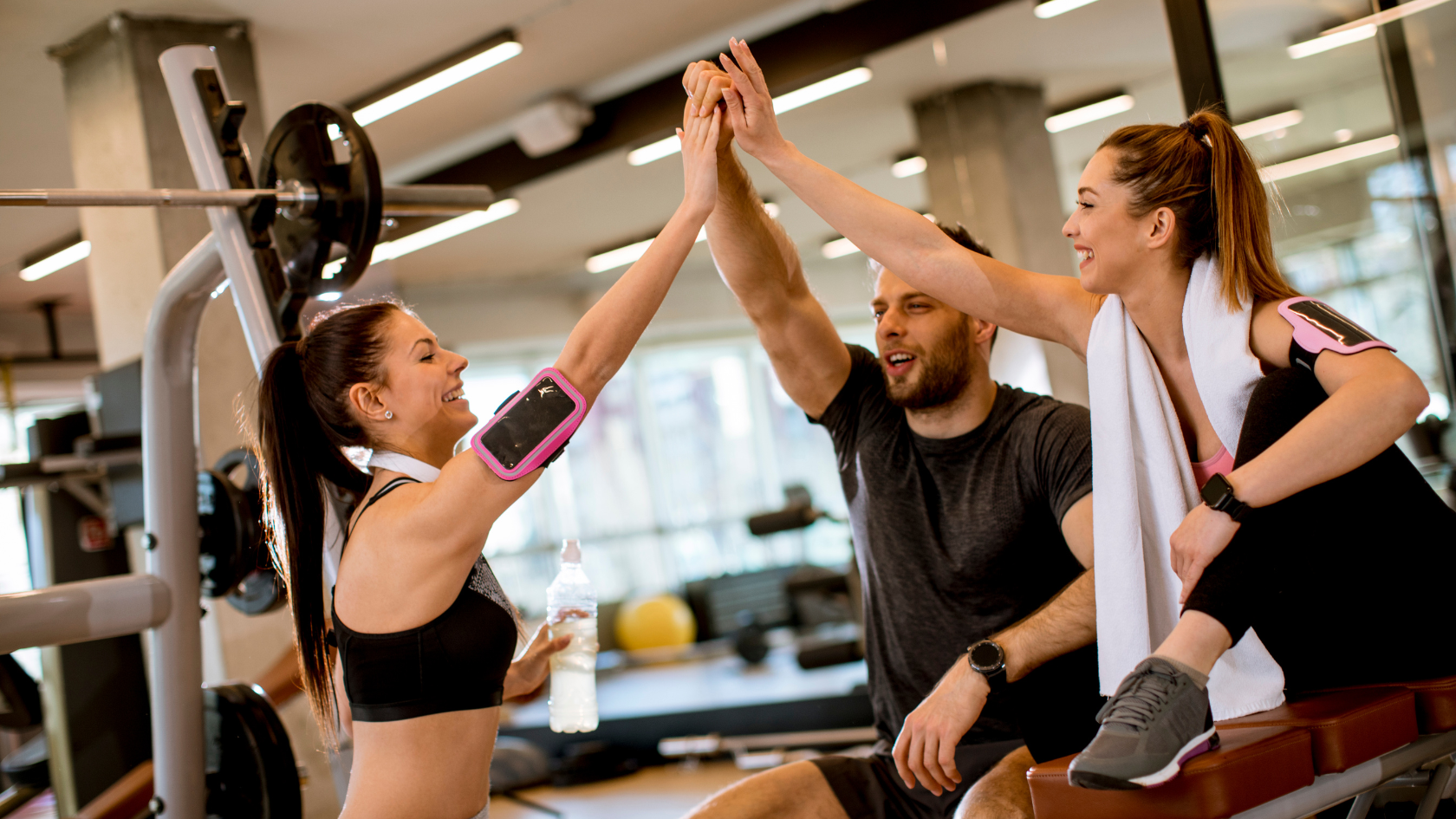
Social fitness means using connection, accountability, and shared movement to make exercise easier to repeat. Research shows that people are more likely to stay active when they feel supported by others, whether that support comes from friends, family, coaches, or a live class community. For many people, social fitness works because it turns exercise from a private task into a shared routine. This is why Step.co is bringing social movement into the app through features like Workout Together and