

Why Mobility Is Extremely Important After 40 and How It Protects Your Health Long Term
For many people, turning 40 marks a noticeable shift in how their body feels. Joints feel stiffer in the morning. Recovery takes longer. Small aches linger. Movements that once felt effortless now require more attention.
This is not a sign of decline. It is a signal that mobility is becoming essential.
In 2025, scientific research is clear: mobility is one of the strongest predictors of long-term physical independence, injury prevention, and healthy aging. For adults over 40, mobility training is not optional or secondary. It is foundational.
What Mobility Really Means (And What It Is Not)
Mobility is often misunderstood as simple stretching. In reality, mobility is the ability of your joints and muscles to move through their full range of motion with control and strength.
True mobility combines:
- Joint health
- Muscle flexibility
- Neuromuscular control
- Stability through movement
It is the difference between being able to touch your toes and being able to squat, rotate, reach, and move confidently in daily life.
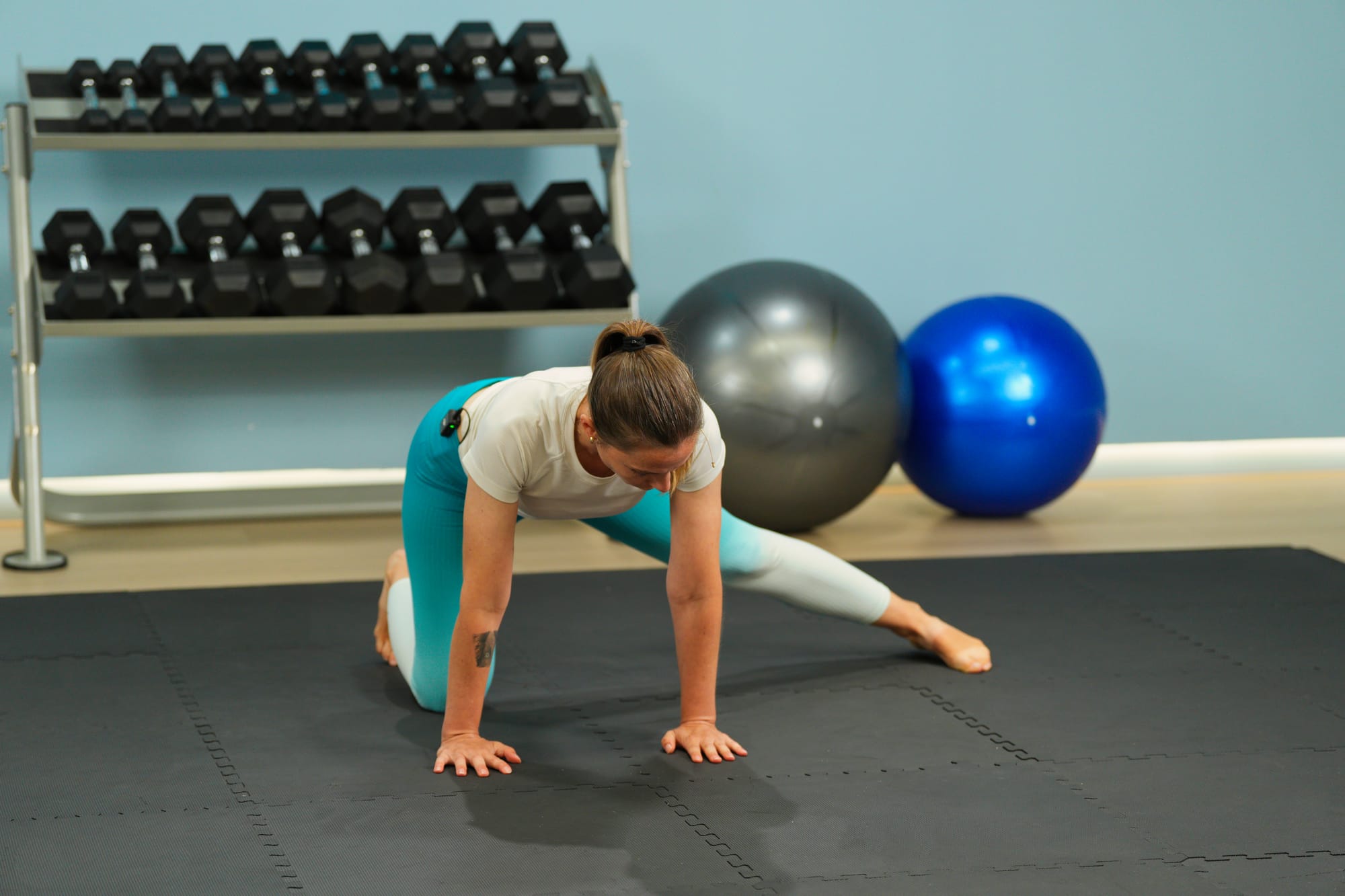
What Happens to Mobility After 40
Natural age-related changes
After age 40, several physiological changes affect movement quality:
- Connective tissues such as tendons and fascia become less elastic
- Joint cartilage experiences gradual wear
- Muscle mass declines unless actively maintained
- Neuromuscular coordination slows
Large population studies show that range of motion and joint function begin to decline steadily in midlife unless countered by targeted mobility and strength work.
Importantly, this decline is not inevitable. It is largely driven by inactivity, repetitive movement patterns, and lack of joint loading through full ranges of motion.

Mobility and Longevity: What the Science Shows
Mobility predicts independence
Recent longitudinal studies have identified mobility limitations as one of the strongest predictors of loss of independence later in life. Adults who maintain joint range of motion and movement confidence are significantly more likely to remain active, avoid falls, and preserve daily function into older age.
Mobility is not about flexibility for sport. It is about being able to climb stairs, get up from the floor, carry groceries, and move without fear.
Mobility reduces injury risk
Research in sports medicine and aging populations consistently shows that restricted joint range of motion increases injury risk. Poor hip, ankle, and thoracic spine mobility are strongly associated with lower back pain, knee injuries, and shoulder dysfunction.
For adults over 40, injuries are more disruptive and recovery takes longer. Mobility training acts as preventative medicine by improving joint mechanics and distributing load more evenly across the body.
Mobility supports strength and cardio effectiveness
Strength and cardiovascular training are essential, but without mobility, their benefits are limited.
Studies show that adequate joint mobility:
- Improves strength expression
- Enhances balance and coordination
- Reduces compensatory movement patterns
- Allows safer progression in resistance and cardio training
Mobility is not a replacement for strength or cardio. It is what allows both to work better.
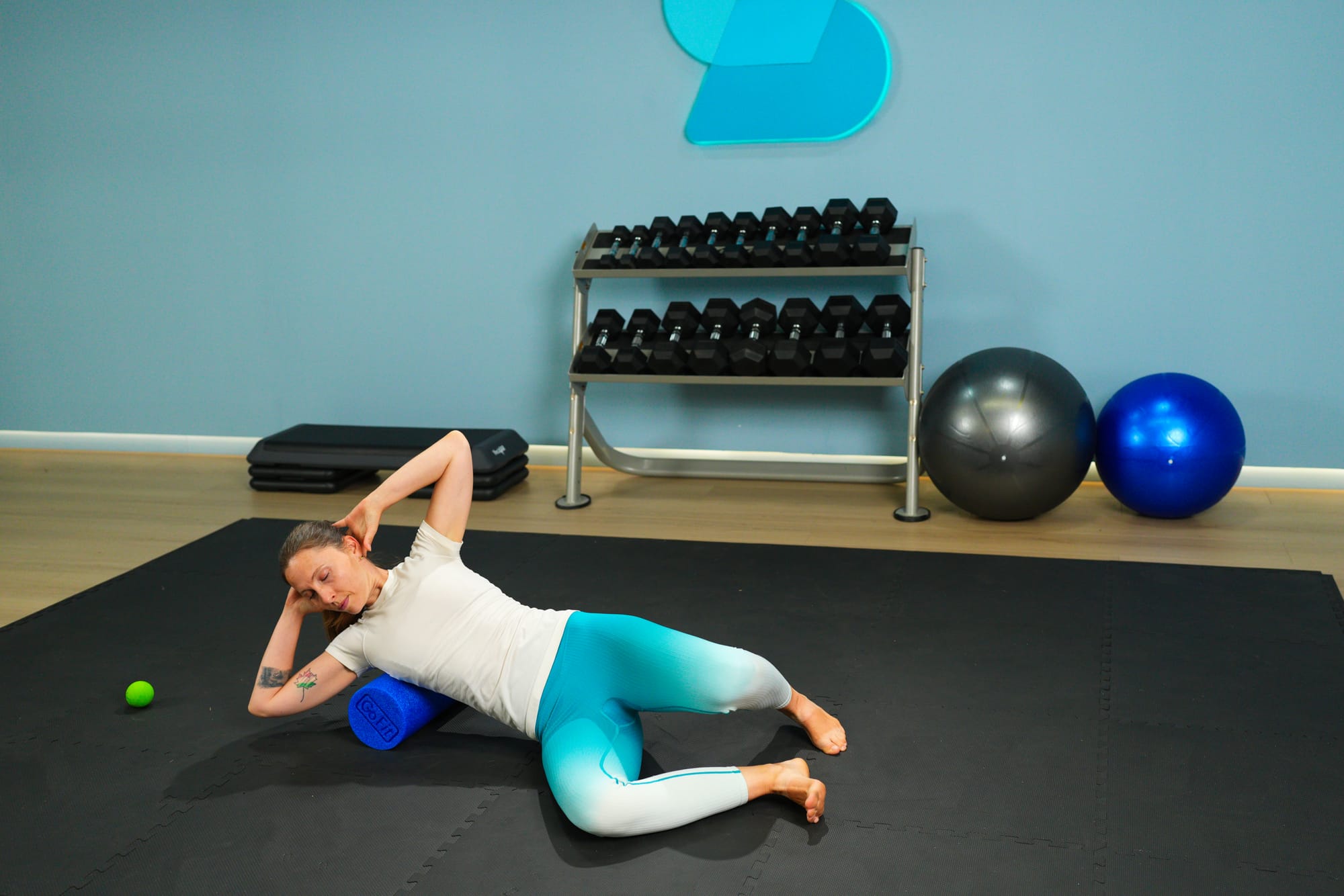
Mobility and the Nervous System
Mobility training also plays a role in nervous system regulation. Slow, controlled movement through joint ranges improves proprioception and reduces protective muscle guarding.
This is especially relevant after 40, when stress, sleep disruption, and hormonal changes can increase muscle tension and stiffness.
Gentle mobility work has been shown to:
- Reduce perceived pain
- Improve movement confidence
- Support recovery between workouts
- Enhance overall movement quality
This is why mobility often makes people feel better immediately, not just long term.
Why Mobility Should Increase After 40, Not Decrease
Many people reduce mobility work as they age, focusing only on walking or light cardio. This is a mistake.
Scientific guidelines increasingly emphasize that adults over 40 should:
- Maintain or increase mobility training frequency
- Combine mobility with strength through full ranges of motion
- Include joint-specific work for hips, spine, shoulders, and ankles
Mobility is what allows the body to keep adapting instead of stiffening.
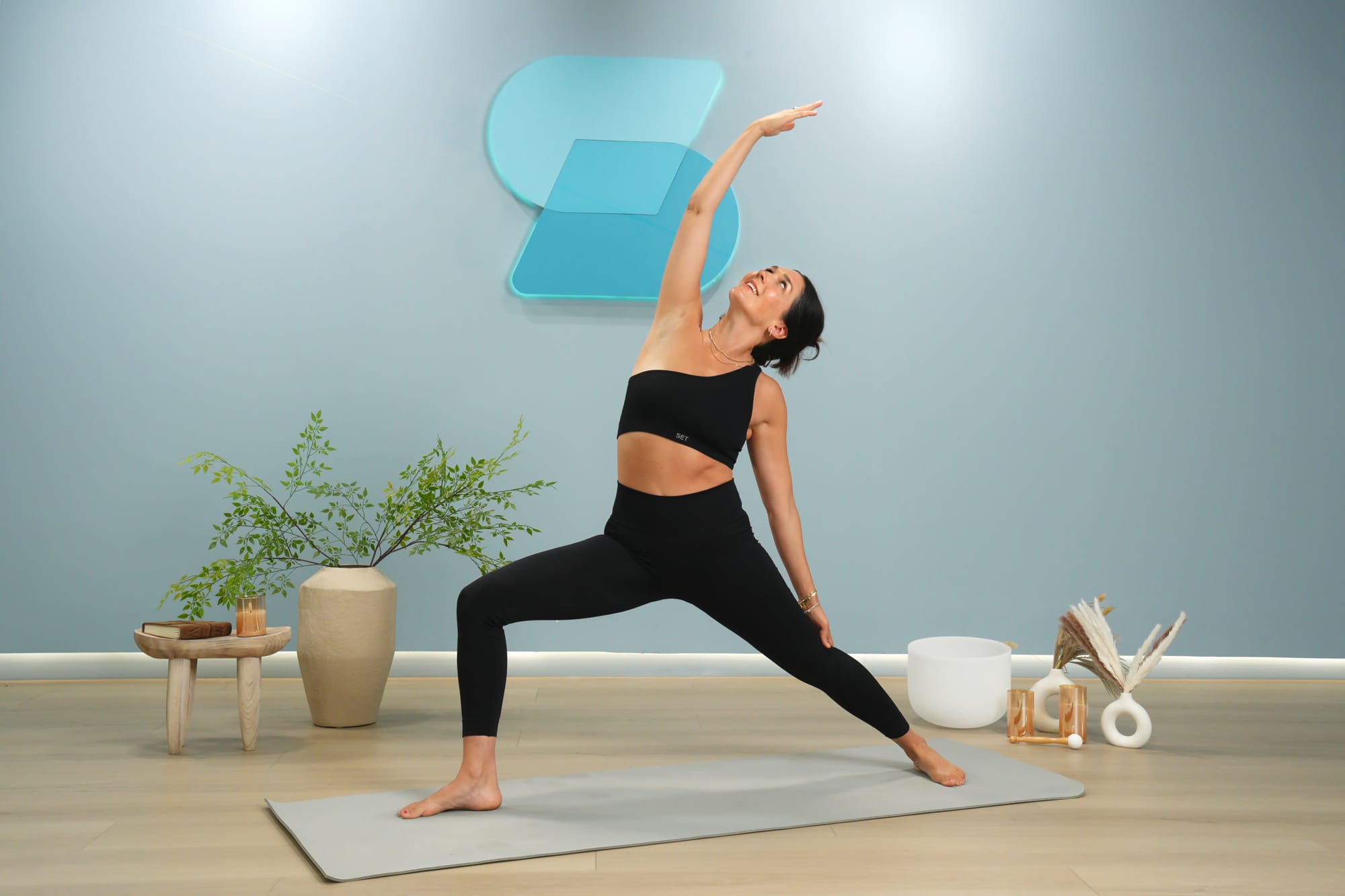
How Step.co Supports Mobility for Adults Over 40
Step.co integrates mobility as a core pillar of movement, not a recovery afterthought.
Classes such as Stretch and Recovery Flow, Mat Pilates Core Flow, and Yoga for Runners and Athletes are designed to:
- Improve joint range of motion
- Strengthen stabilizing muscles
- Support posture and alignment
- Reduce stiffness and daily discomfort
These classes are especially valuable for adults over 40 because they emphasize controlled movement, breathing, and joint health rather than aggressive stretching.
When mobility is paired with strength and cardio sessions on Step.co, users experience better recovery, fewer aches, and greater confidence in movement.
How Often Should You Train Mobility After 40
Current evidence supports frequent, low-dose mobility work rather than occasional long sessions.
A practical guideline:
- Short mobility sessions 3 to 6 days per week
- Focus on hips, spine, shoulders, and ankles
- Pair mobility with light strength or recovery days
Consistency matters more than intensity.
Mobility Is Not About Doing Less. It Is About Moving Better.
One of the most important mindset shifts after 40 is understanding that mobility is not a step backward. It is an upgrade.
It allows you to:
- Train longer without injury
- Recover faster between workouts
- Maintain independence and confidence
- Support strength, balance, and endurance
Mobility keeps the body adaptable. Adaptability is the foundation of longevity.
Final Thoughts
After 40, mobility becomes one of the most important investments you can make in your health. Scientific research consistently shows that maintaining joint range of motion, movement control, and flexibility protects independence, reduces injury risk, and improves quality of life.
Mobility is not optional. It is essential.
With platforms like Step.co, mobility training is accessible, guided, and integrated into a balanced movement routine that supports strength, cardio, and long-term health.
Your future body depends on how well you move today.
Start your weekly plan today!
Read More

How Can Women Over 40 Lose Visceral Fat?
Women over 40 can reduce visceral fat through a combination of regular aerobic movement such as brisk walking, strength training, healthy nutrition, adequate recovery, and a routine they can maintain consistently. You cannot target visceral fat with abdominal exercises alone, and there is no special heart-rate zone that selectively melts belly fat. The strongest evidence supports reducing overall body fat while preserving muscle and staying physically active across the week. For women entering

Is Walking a Good Workout for Busy Adults Over 40?
Yes, walking is one of the best workout choices for busy adults over 40 because it is low-impact, easy to repeat, and strongly linked to better heart health, longevity, mood, and daily energy. For people who do not have time for long gym sessions, walking offers a realistic way to build a healthier lifestyle. The challenge is not whether walking works. The challenge is staying consistent. This is where Step.co’s Walk and Talk feature makes walking more useful, more accountable, and more social.

What Is Social Fitness and Why Does It Help You Stay Consistent?
Social fitness means using connection, accountability, and shared movement to make exercise easier to repeat. Research shows that people are more likely to stay active when they feel supported by others, whether that support comes from friends, family, coaches, or a live class community. For many people, social fitness works because it turns exercise from a private task into a shared routine. This is why Step.co is bringing social movement into the app through features like Workout Together and