

How Quick Workouts Help Busy Professionals Build a Healthier Lifestyle
For busy professionals, the biggest barrier to staying active is not motivation. It is time.
Long meetings, unpredictable schedules, family responsibilities, travel, and mental fatigue often push exercise to the bottom of the priority list. Many people believe that if they cannot commit 45 or 60 minutes, it is not worth working out at all.
Science now tells a very different story.
Latest research consistently shows that short workouts lasting just 5 to 10 minutes can deliver meaningful health benefits, especially when done regularly. For professionals with limited time, quick workouts are not a compromise. They are one of the most effective ways to build a sustainable, healthy lifestyle.
What the Science Says About Short Workouts
Small doses of movement create real physiological change
Multiple large studies over the past few years have demonstrated that short bouts of physical activity accumulate powerful benefits.
Research published in leading medical and sports science journals shows that:
- Brief sessions of moderate to vigorous movement improve cardiovascular health
- Short strength and bodyweight sessions support muscle maintenance and metabolic health
- Even a few minutes of activity reduce all-cause mortality risk compared to complete inactivity
In practical terms, this means that 5 to 10 minutes of intentional movement is far better than waiting for the “perfect” workout window that never arrives.
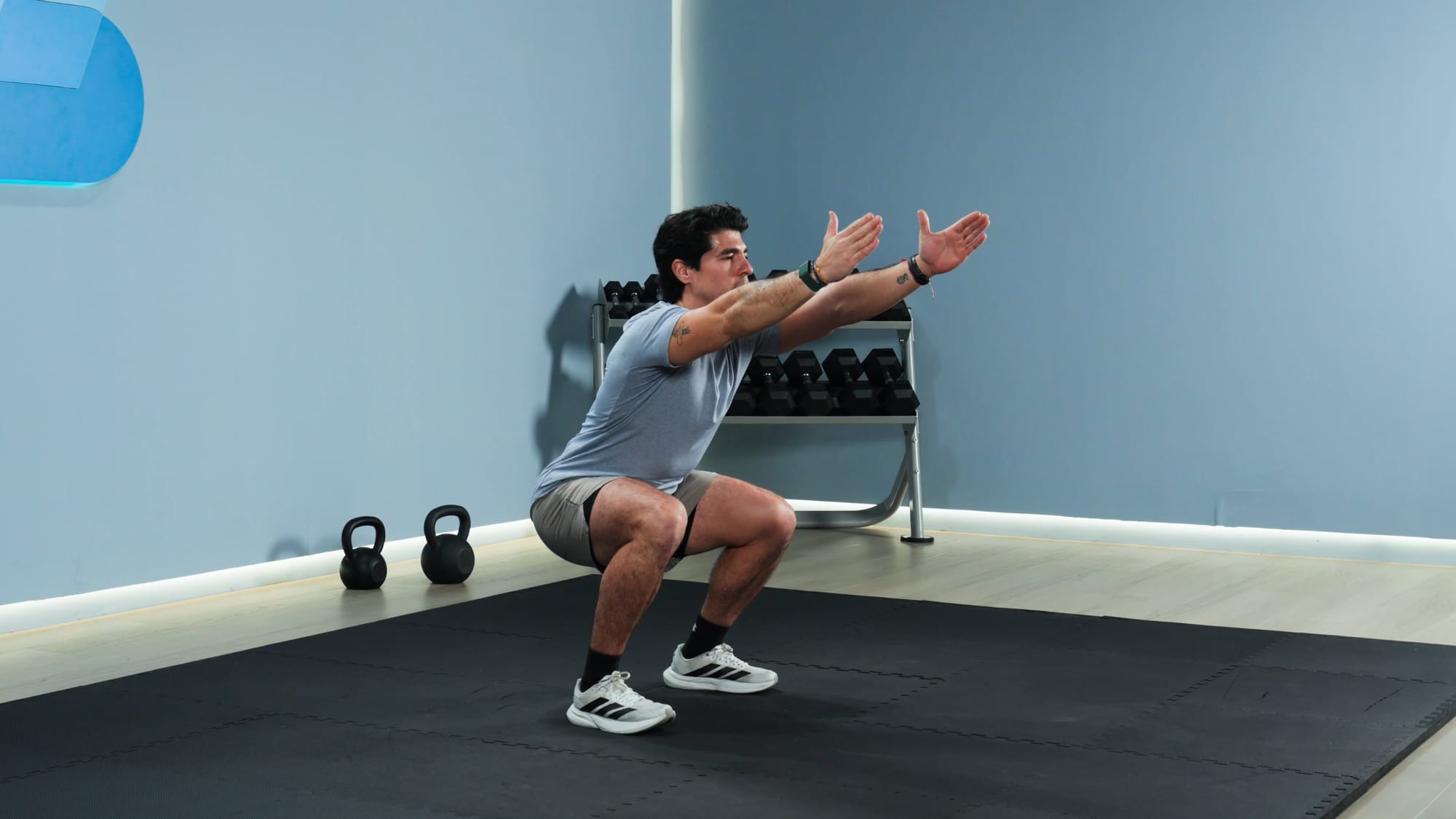
Why Short Workouts Work Especially Well for Busy Professionals
1. They remove the biggest friction point: starting
Decision fatigue is real. After a long workday, committing to an hour-long workout feels overwhelming.
Short workouts lower the mental barrier. When the expectation is only 5 or 10 minutes, people are far more likely to begin. Once movement starts, consistency follows.
This is one of the strongest predictors of long-term habit formation.
2. They support metabolic and cardiovascular health
Recent studies show that short bursts of movement increase heart rate, improve blood sugar regulation, and support cardiovascular function.
For professionals who spend long hours sitting, even brief workouts help counteract:
- Insulin resistance
- Poor circulation
- Low daily energy expenditure
A short cardio or full-body session can meaningfully improve daily health markers.
3. They protect muscle mass and posture
After age 30, muscle mass naturally declines unless actively maintained. This process accelerates with prolonged sitting and inactivity.
Short strength or Pilates-based workouts help:
- Preserve lean muscle
- Support posture and spinal health
- Reduce neck, back, and shoulder discomfort common in desk-based work
You do not need long gym sessions to protect your body. You need consistency.
4. They improve mental focus and stress resilience
Exercise has a direct effect on the nervous system. Even brief movement sessions increase blood flow to the brain, support neurotransmitter balance, and reduce stress hormones.
Busy professionals often report that short workouts:
- Improve focus during the workday
- Reduce anxiety and mental fatigue
- Create a mental reset between tasks or meetings
This makes short workouts valuable not only for physical health, but also for cognitive performance.
5. They fit into real life instead of fighting it
Quick workouts can be done:
- Between meetings
- Before work
- During lunch breaks
- While traveling
- At home with no equipment
This flexibility allows movement to adapt to life, rather than forcing life to adapt to fitness.
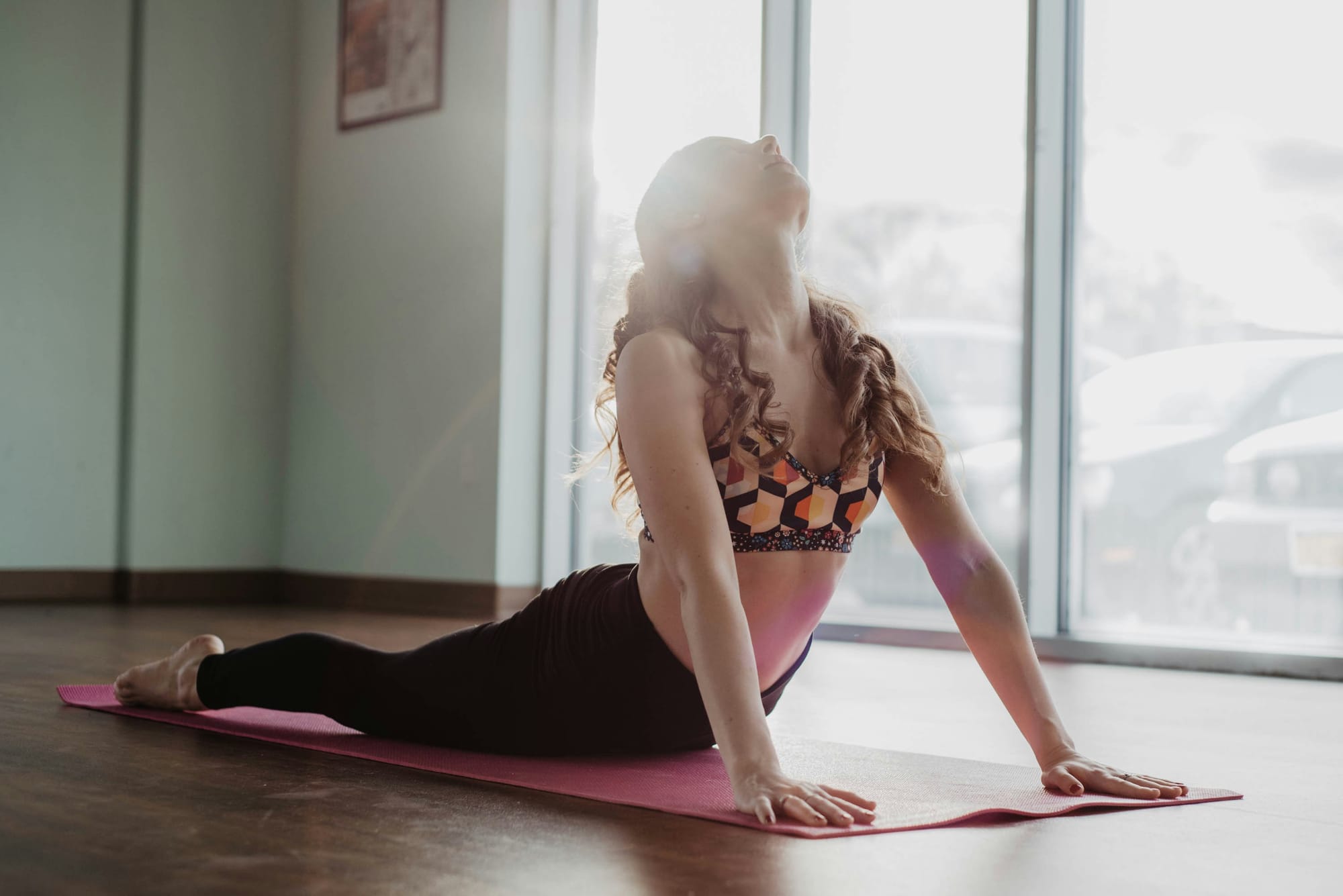
Why Consistency Matters More Than Duration
Scientific consensus is clear on one point: frequency matters more than workout length.
Five minutes of movement done five days a week has a greater health impact than a single long workout done inconsistently.
This is especially true for:
- Busy professionals
- Beginners restarting fitness
- Adults managing stress, sleep issues, or recovery
Short workouts build momentum. Momentum builds habits. Habits build health.
How Step.co Makes Short Workouts Effective
Step.co is designed for real people with real schedules.
Short workouts on Step.co are:
- Professionally coached
- Structured for maximum efficiency
- Balanced across strength, cardio, and mobility
- Easy to start with no equipment
Examples of effective short sessions include:
Because Step.co offers variety, users can choose the type of movement that fits their energy level and time availability without overthinking.
A Practical Weekly Approach for Busy Professionals
Here is an example of how short workouts can fit into a demanding schedule:
- 3 to 5 short workouts per week, 5 to 10 minutes each
- Mix strength, cardio, and mobility
- Add one longer session if time allows, but do not depend on it
- Focus on showing up consistently, not doing everything at once
This approach aligns with current public health recommendations and modern behavioural science.
Short Workouts Are Not a Shortcut. They Are a Strategy.
For busy professionals, the goal is not to train like an athlete. The goal is to:
- Maintain health
- Protect energy levels
- Reduce stress
- Support longevity
- Stay consistent without burnout
Short workouts accomplish this better than unrealistic plans that require perfect schedules.
With Step.co, quick workouts become a powerful tool, not a fallback option.
Final Thoughts
A healthier lifestyle does not require more time. It requires better use of the time you already have.
In 2025, science supports what busy professionals have long needed to hear: 5 to 10 minutes of intentional movement can meaningfully improve physical health, mental focus, and long-term well-being.
By making short workouts accessible, structured, and effective, Step.co helps everyone move more consistently, regardless of how busy life becomes.
Health should fit your life. Not the other way around.
Join Step.co and find the workouts that fit your schedule!
Read More
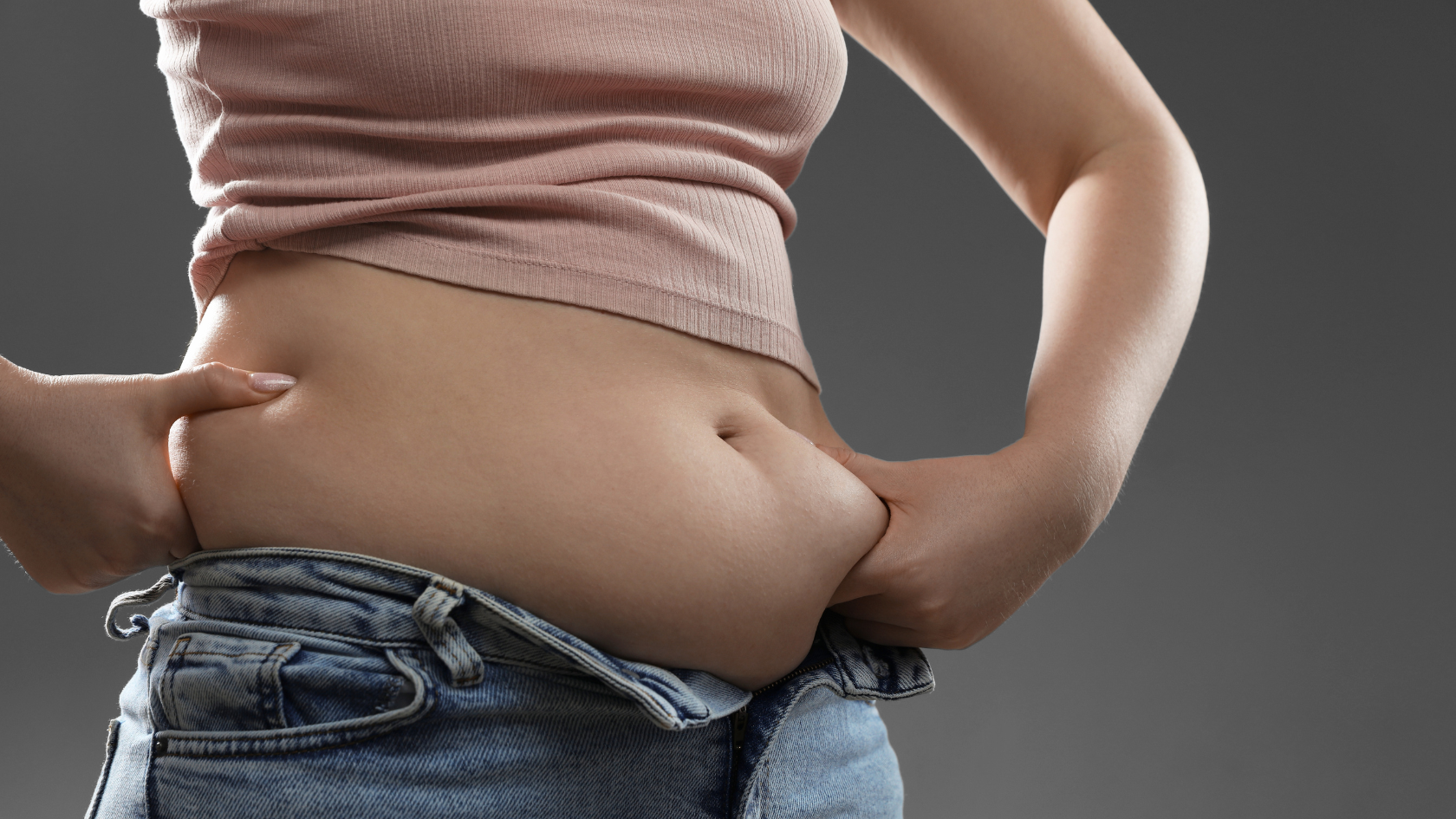
How Can Women Over 40 Lose Visceral Fat?
Women over 40 can reduce visceral fat through a combination of regular aerobic movement such as brisk walking, strength training, healthy nutrition, adequate recovery, and a routine they can maintain consistently. You cannot target visceral fat with abdominal exercises alone, and there is no special heart-rate zone that selectively melts belly fat. The strongest evidence supports reducing overall body fat while preserving muscle and staying physically active across the week. For women entering

Is Walking a Good Workout for Busy Adults Over 40?
Yes, walking is one of the best workout choices for busy adults over 40 because it is low-impact, easy to repeat, and strongly linked to better heart health, longevity, mood, and daily energy. For people who do not have time for long gym sessions, walking offers a realistic way to build a healthier lifestyle. The challenge is not whether walking works. The challenge is staying consistent. This is where Step.co’s Walk and Talk feature makes walking more useful, more accountable, and more social.
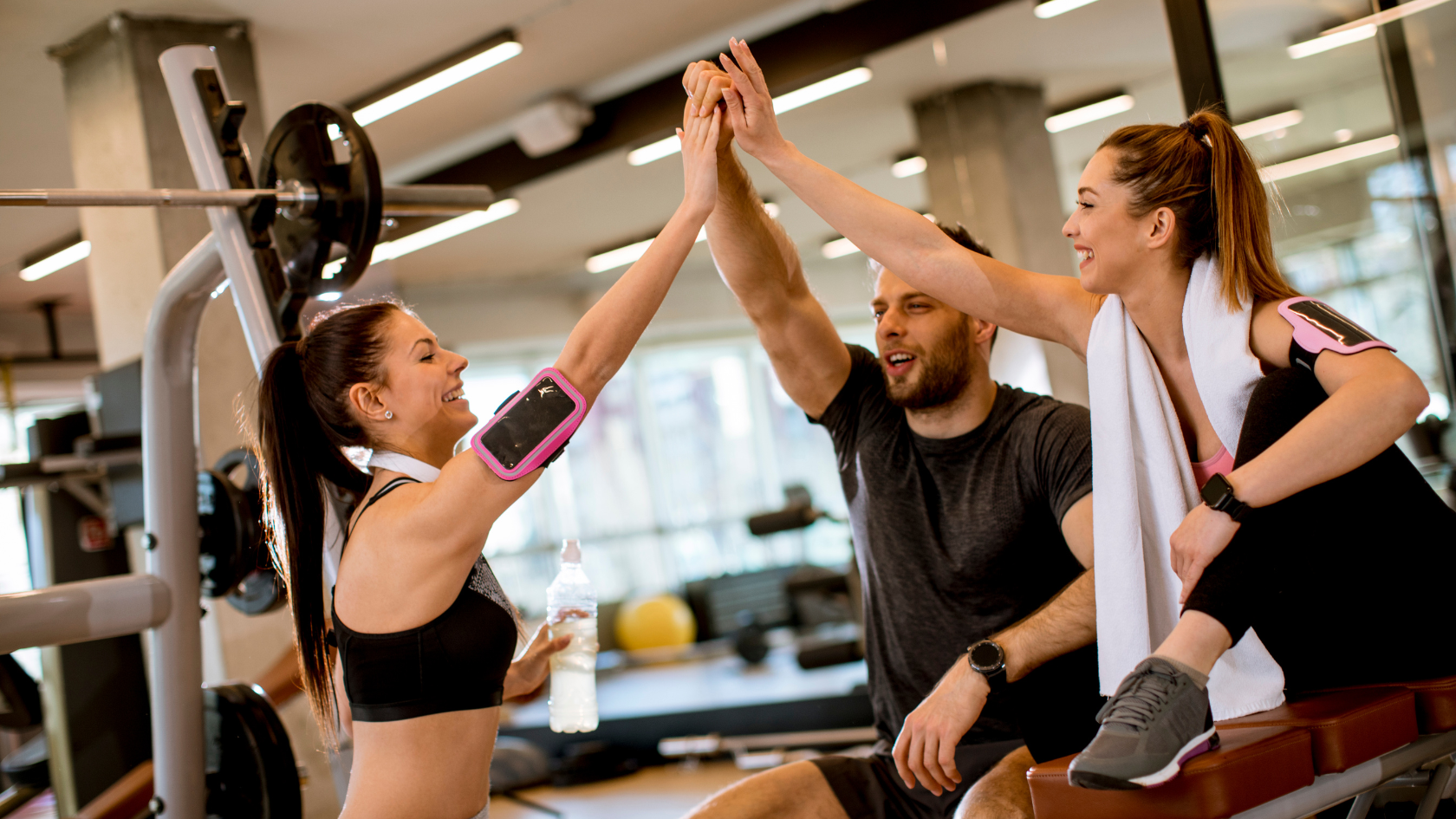
What Is Social Fitness and Why Does It Help You Stay Consistent?
Social fitness means using connection, accountability, and shared movement to make exercise easier to repeat. Research shows that people are more likely to stay active when they feel supported by others, whether that support comes from friends, family, coaches, or a live class community. For many people, social fitness works because it turns exercise from a private task into a shared routine. This is why Step.co is bringing social movement into the app through features like Workout Together and