
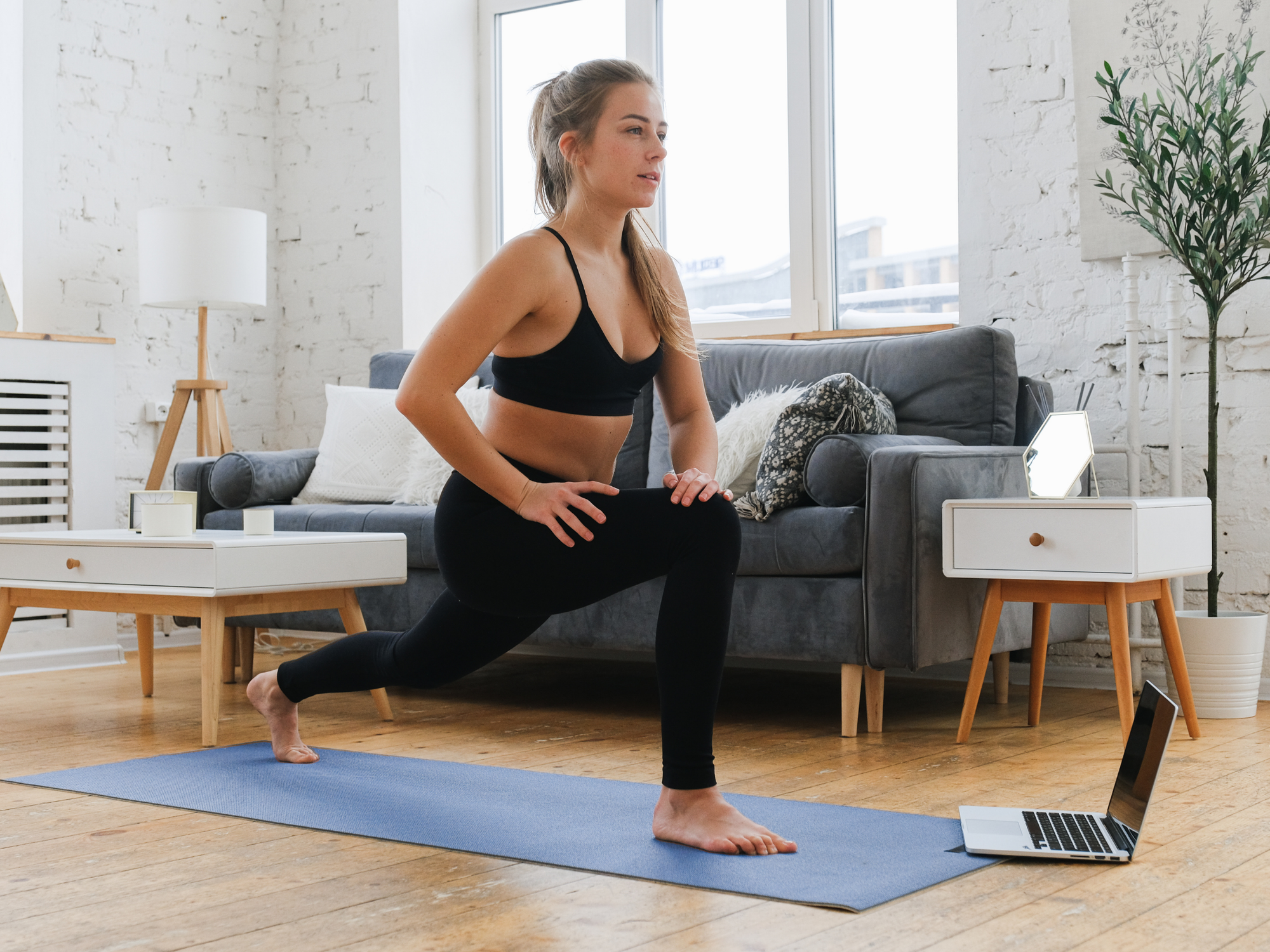
Quiet Workout Routine: How to Exercise in an Apartment Without Jumping
Yes, you can get an effective workout in an apartment without jumping or making noise. Low-impact strength, controlled cardio, and mobility training can improve heart health, muscle tone, and flexibility without disturbing neighbors. Research shows that consistent low-impact exercise improves cardiovascular health, joint function, and metabolic markers even without high-intensity plyometrics.
If you live in an apartment and avoid workouts because of noise concerns, this guide will show you exactly how to move effectively and quietly.
Why Jumping Is Not Required for Results
Many online workouts rely on burpees, jump squats, and high knees. While these exercises raise heart rate quickly, they are not necessary for:
- Improving cardiovascular endurance
- Building strength
- Burning calories
- Improving mobility
Studies comparing low-impact training with high-impact routines show that heart rate and muscular engagement can be achieved through controlled tempo movements and sustained tension without repetitive jumping.
For apartment dwellers, the key is intensity through control, not impact.
What Makes a Workout Apartment-Friendly
A quiet workout should:
- Avoid repetitive jumping or stomping
- Minimize floor vibration
- Use slow, controlled movement
- Focus on muscle engagement rather than impact
- Be adaptable to small spaces
You do not need equipment. You need structure.
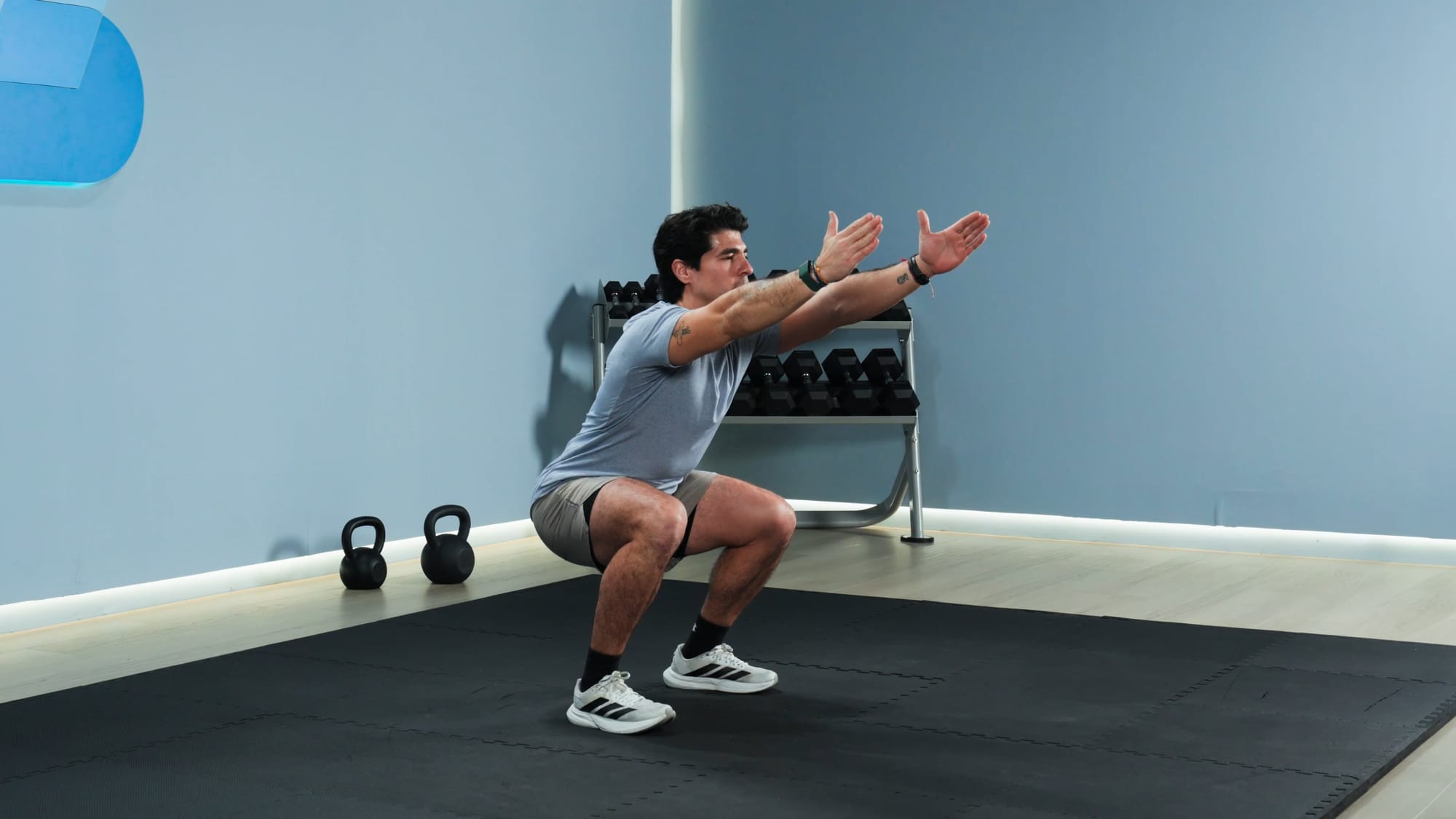
A 20-Minute Quiet Workout Routine (No Jumping)
Below is a simple, apartment-safe routine that combines strength, low-impact cardio, and mobility.
1. Controlled Strength Block (8 Minutes)
Perform each exercise slowly for 40 seconds, rest 20 seconds.
- Slow bodyweight squats
- Wall push-ups or floor push-ups
- Glute bridges
- Static lunges
- Forearm plank hold
Why this works:
Slow tempo increases muscle tension without creating noise. Strength training raises metabolic rate and supports long-term joint health.
2. Low-Impact Cardio Block (6 Minutes)
Perform continuously at moderate pace.
- March in place with arm drive
- Step-back lunges alternating legs
- Standing side steps with reach
- Slow mountain climbers without hopping
Why this works:
Low-impact cardio elevates heart rate while keeping both feet close to the ground. Research shows sustained moderate effort improves cardiovascular markers without joint strain.
3. Mobility and Core Block (6 Minutes)
- Cat-cow spinal mobility
- Seated or standing hamstring stretch
- Hip openers
- Controlled shoulder rolls
- Deep breathing to finish
Why this works:
Mobility reduces stiffness, improves posture, and supports recovery. It also keeps noise levels minimal while enhancing movement quality.
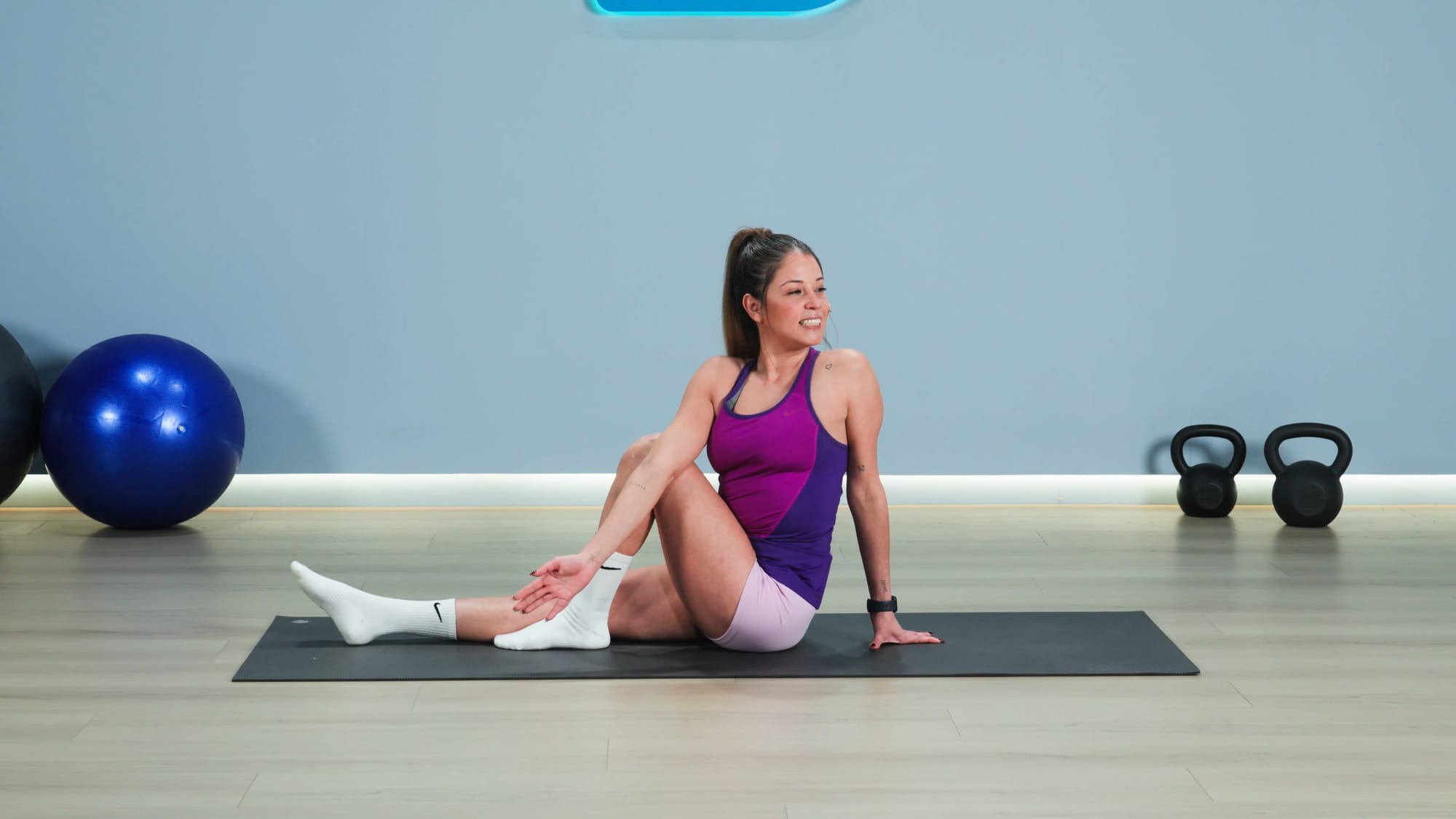
Why Low-Impact Workouts Are Often Better for Long-Term Health
High-impact workouts are not suitable for everyone. In fact, for many adults over 30 or 40, excessive jumping can increase joint stress without significantly improving outcomes.
Low-impact routines:
- Reduce knee and ankle strain
- Support recovery between sessions
- Lower cortisol spikes
- Improve adherence through comfort
Consistency matters more than intensity.
How to Stay Quiet and Respect Neighbors
Practical tips:
- Use a yoga mat to reduce vibration
- Avoid early morning or late-night sessions
- Wear soft-soled shoes or train barefoot
- Choose controlled movements over explosive ones
- Close windows if following a guided class with music
Noise reduction is mostly about minimizing impact, not avoiding effort.
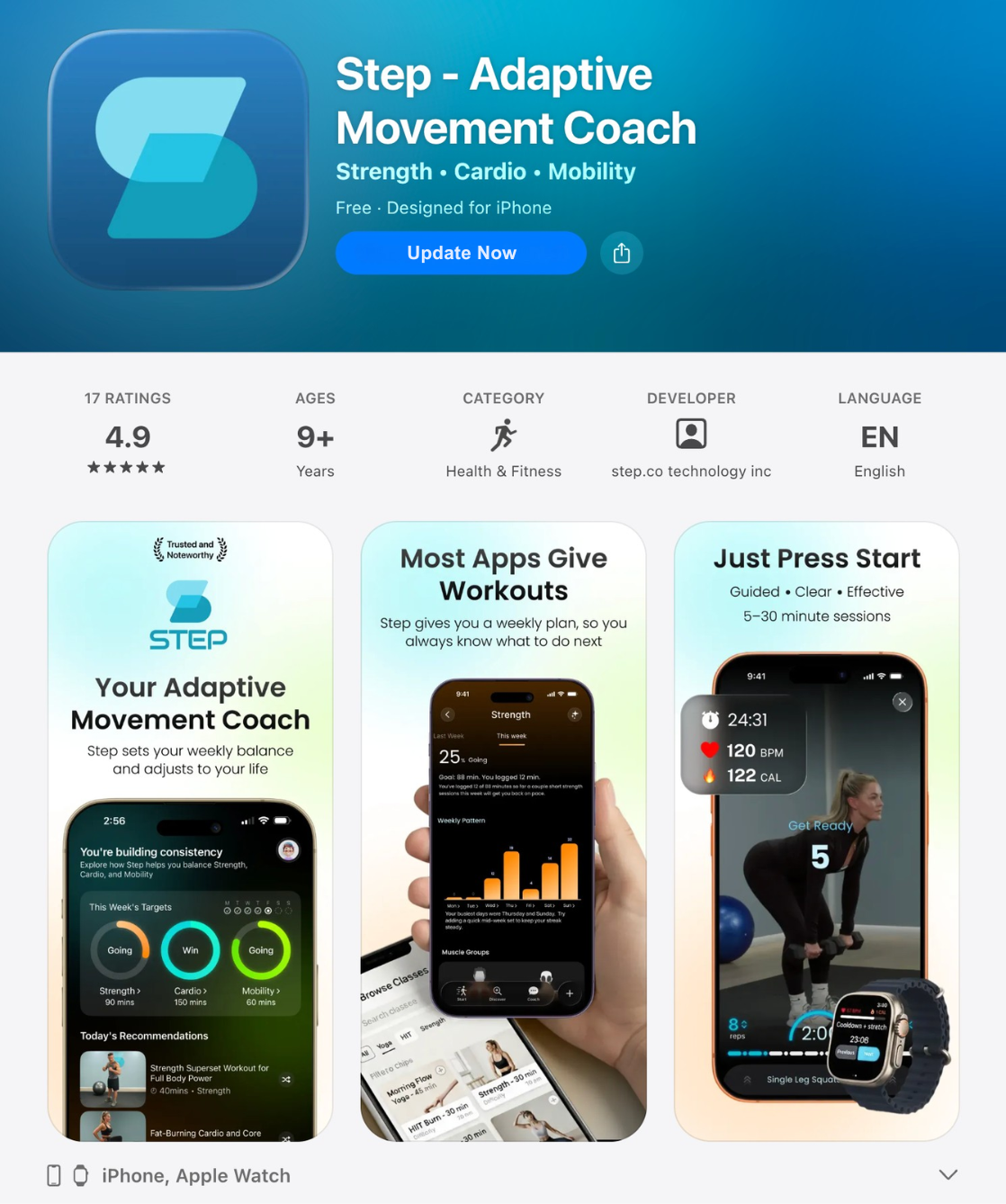
How Step.co Helps Apartment Dwellers Exercise Quietly
Step.co offers guided strength, cardio, Pilates, and mobility sessions designed to work in small spaces without equipment.
Many classes focus on:
- Low-impact strength
- Quiet cardio alternatives
- Controlled tempo training
- Mobility and recovery flows
Because sessions are structured, you can follow a program that fits your space without guessing which movements are apartment-safe.
This makes exercise accessible even for people living in condos or shared buildings.
Frequently Asked Questions
Can I burn calories without jumping?
Yes. Calorie burn depends on muscle engagement and sustained effort, not noise. Controlled strength and moderate cardio are effective.
Is low-impact exercise enough for heart health?
Yes. Research shows moderate, consistent activity improves cardiovascular markers even without high-impact movements.
Will I build muscle without heavy weights?
Yes, especially as a beginner. Bodyweight exercises performed slowly and consistently stimulate muscle growth.
How many times per week should I do quiet workouts?
Aim for 3 to 5 sessions per week. Even 10 to 20 minutes per session improves health outcomes.
Final Takeaway
You do not need a gym. You do not need loud, high-impact routines. You do not need to disturb your neighbors.
A structured, low-impact workout routine can improve strength, heart health, mobility, and consistency without jumping.
The best workout is the one you can repeat comfortably in your real environment.
Read More

How Can Women Over 40 Lose Visceral Fat?
Women over 40 can reduce visceral fat through a combination of regular aerobic movement such as brisk walking, strength training, healthy nutrition, adequate recovery, and a routine they can maintain consistently. You cannot target visceral fat with abdominal exercises alone, and there is no special heart-rate zone that selectively melts belly fat. The strongest evidence supports reducing overall body fat while preserving muscle and staying physically active across the week. For women entering

Is Walking a Good Workout for Busy Adults Over 40?
Yes, walking is one of the best workout choices for busy adults over 40 because it is low-impact, easy to repeat, and strongly linked to better heart health, longevity, mood, and daily energy. For people who do not have time for long gym sessions, walking offers a realistic way to build a healthier lifestyle. The challenge is not whether walking works. The challenge is staying consistent. This is where Step.co’s Walk and Talk feature makes walking more useful, more accountable, and more social.
What Is Social Fitness and Why Does It Help You Stay Consistent?
Social fitness means using connection, accountability, and shared movement to make exercise easier to repeat. Research shows that people are more likely to stay active when they feel supported by others, whether that support comes from friends, family, coaches, or a live class community. For many people, social fitness works because it turns exercise from a private task into a shared routine. This is why Step.co is bringing social movement into the app through features like Workout Together and