
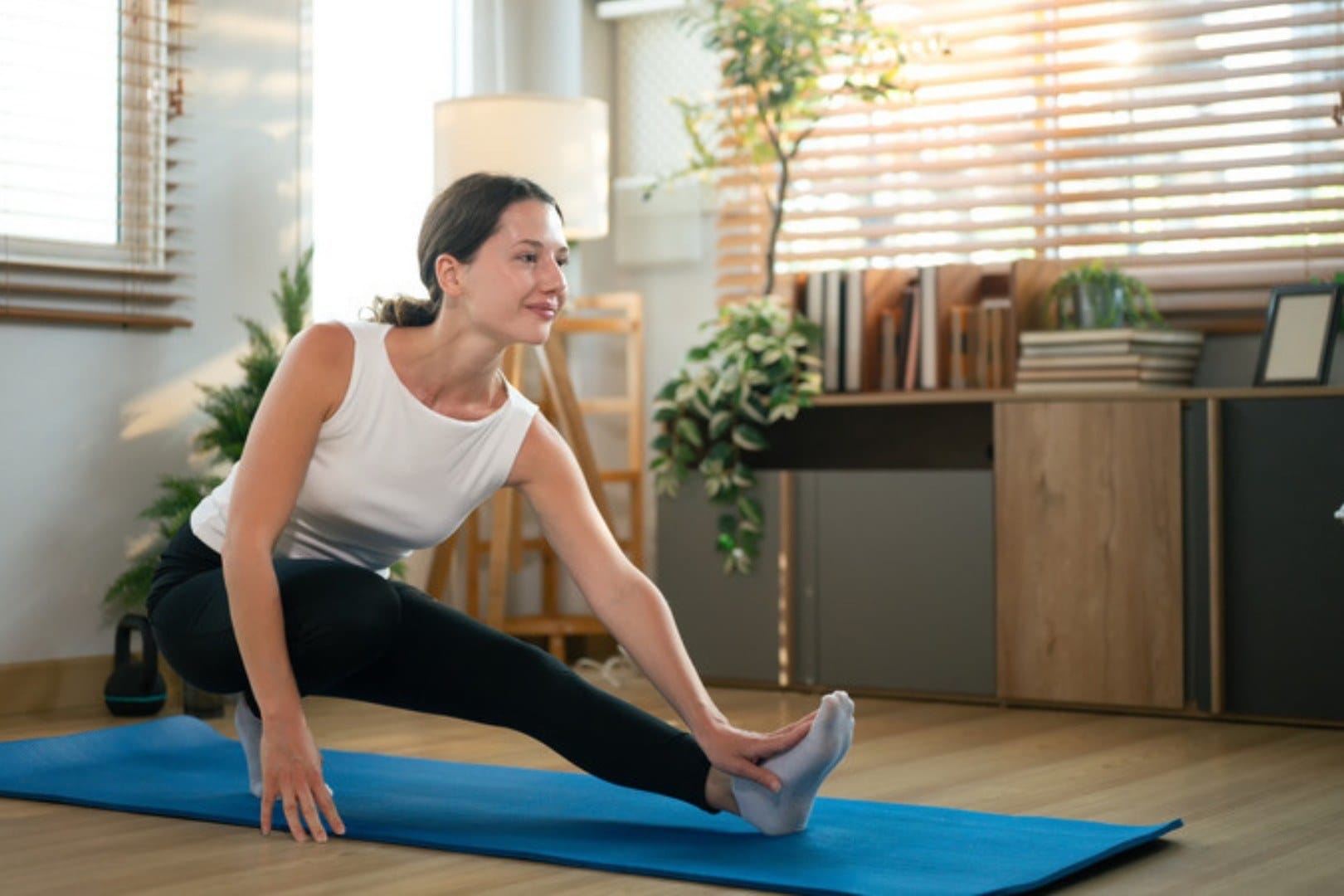
How Can You Improve Flexibility After 40?
Most adults over 40 can work on Flexibility with about 10 minutes of gentle stretching on most days. Warm up first, hold each stretch for around 30 seconds, and don't bounce. You won't feel loose after one session. It takes a few weeks of regular practice, so a short routine you'll actually repeat beats a long one you skip.
We already wrote about why moving well matters more after 40. This guide is the practical part: what to do, how long to hold it, and when to fit it in.
Why Flexibility Can Feel Harder After 40
Lots of people notice they feel tighter in their 40s and 50s. Getting out of the car takes a second longer. Reaching for the back seat feels like work.
A big part of it is how we spend the day. Harvard Health points out that sitting in a chair all day leaves the hamstrings, the muscles at the back of your thigh, feeling tight. If you sit for work and then sit at home, those muscles rarely get a full stretch.
The good news is that tight muscles respond to regular, gentle work. You don't need to be bendy. You just need a few minutes most days.
How Much Flexibility Work Do You Need?
Advice varies a little. The NHS flexibility exercises page suggests doing them at least twice a week. Harvard Health goes further and suggests daily stretching, or at least three or four times a week.
30 sec
to hold each stretch
3 to 4
days a week, at least
5 to 10
minutes of warm-up first
Source: Harvard Health Publishing
Our take: aim for most days, and count anything over three days a week as a good week. Ten minutes is plenty. Harvard also notes it takes weeks to months to get more flexible, so give it time before you judge it.
A Simple 10-Minute Flexibility Routine
Do this after a short walk or at the end of a workout, when your muscles are already warm. Move slowly. You should feel a gentle pull, never pain. If something hurts, stop that stretch.
Neck turns
1 minSit tall. Slowly turn your head toward one shoulder as far as feels comfortable, hold for 5 seconds, then switch. Do 3 on each side.
Shoulder and chest opener
1.5 minStand tall and clasp your hands behind your back. Squeeze your shoulder blades together and lift your chest. Hold 30 seconds, rest, repeat twice more.
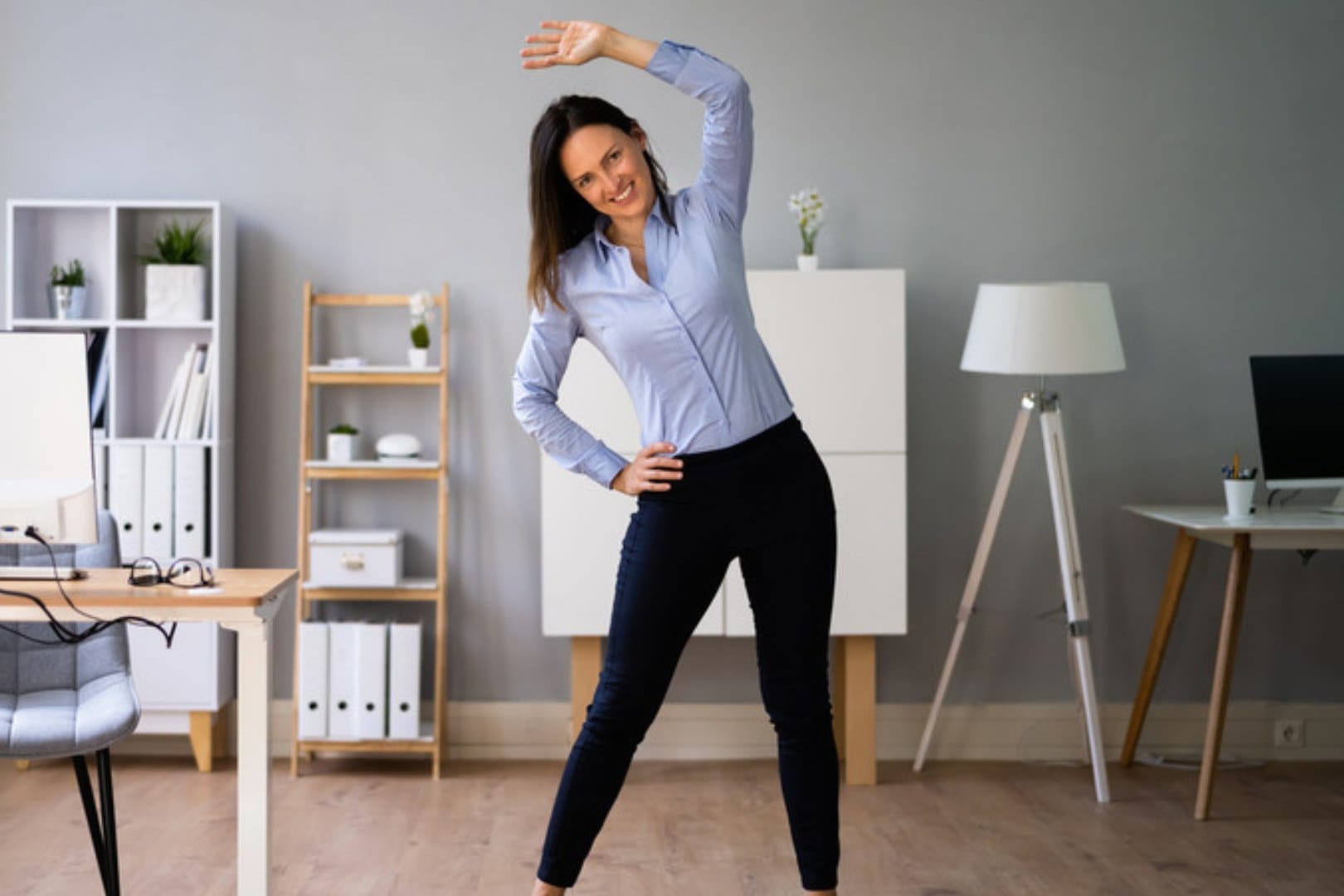
Standing side bend
1 minFeet hip-width apart. Slide one hand down the side of your leg until you feel a stretch along your side, then come back up. Switch sides. Do 3 each way.
Wall calf stretch
1.5 minHands on a wall, one foot stepped back, both heels down. Keep the back leg straight. Hold 30 seconds per leg, then do one more round.
Half-kneeling hip stretch
1.5 minKneel on one knee on a mat or cushion, other foot in front. Tuck your hips under and shift forward a little until you feel the front of your hip open. Hold 30 seconds each side.
Standing thigh stretch
1.5 minHold a chair for balance. Bend one knee and bring your heel toward your seat, holding your ankle if you can. Hold 30 seconds per leg.
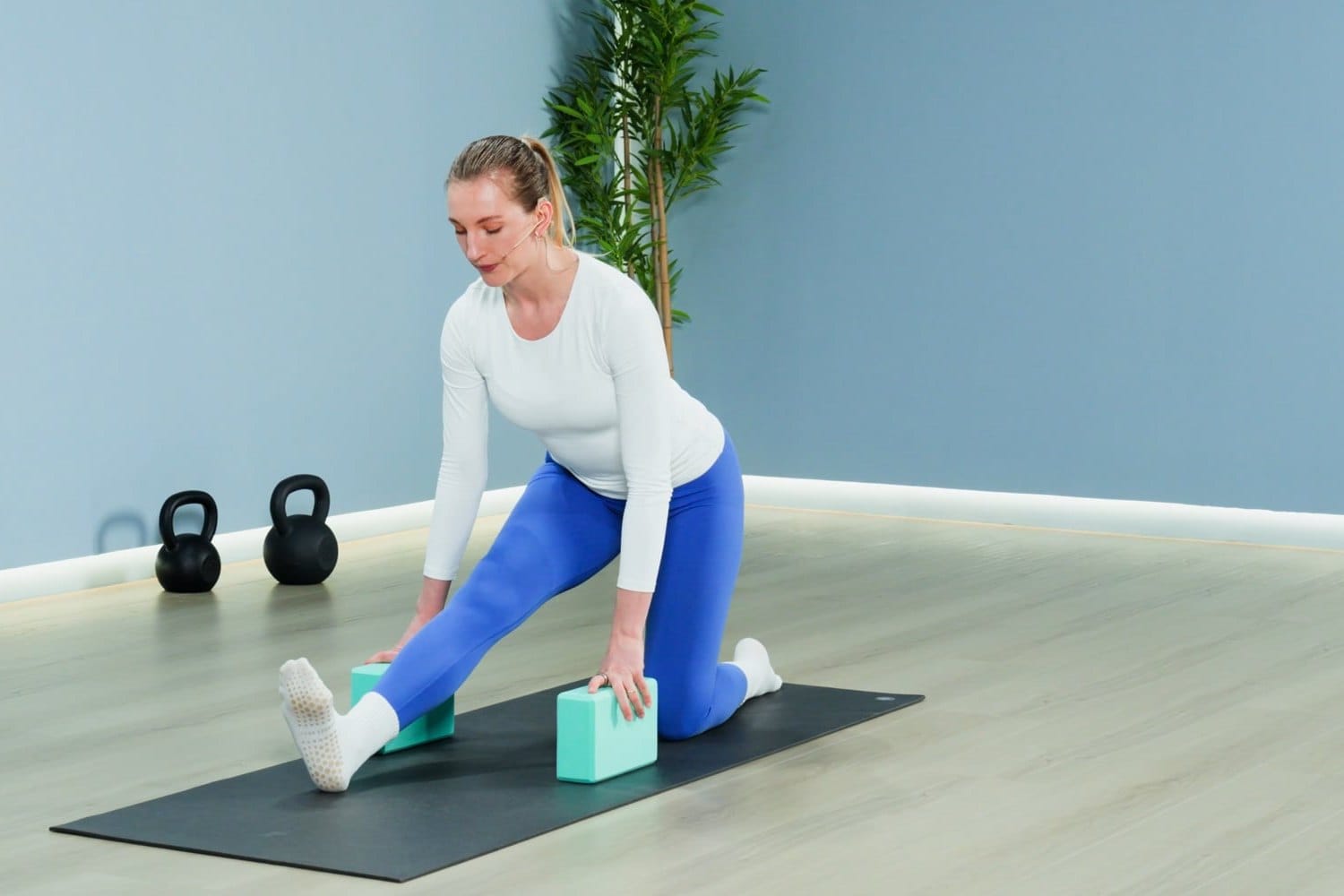
Seated hamstring stretch
2 minSit on the floor with your legs out in front. Slide your hands down your legs until you feel the stretch behind your thighs. Hold 30 seconds, relax, and repeat 3 more times.
That's it. Seven stretches, about 10 minutes, and the moves come from the areas Harvard flags as most useful to work on: calves, hamstrings, hips and the front of the thighs, plus shoulders and neck.
Ten easy minutes you repeat will do more than an hour you never start.
Where to Fit It Into Your Day
The best time is the one you'll stick with. Here are four that work for a lot of busy people.
After your walk
Your muscles are warm, so it's a natural moment. Finish your walk, then do the routine before you sit down.
After a strength session
Add the routine to the end of your workout. Our weekly workout plan after 40 pairs strength days with a few minutes of Flexibility.
On a desk break
Do the neck turns, side bend and shoulder opener between meetings. That's about 3 minutes and you don't need to change clothes.
In the evening
Some people like to wind down with slow stretching after a short warm-up. Keep it gentle and skip anything that feels like effort.
Should You Stretch When You're Stiff or Sore?
Morning stiffness often eases once you start moving, so gentle stretching after a short warm-up is usually fine. Soreness after a hard workout is different, and an easier day may suit you better. Read Stiffness vs Soreness: Should You Work Out Today? if you aren't sure which one you have.
Common Mistakes to Avoid
- Stretching cold. Walk or march in place for 5 to 10 minutes first.
- Bouncing. Ease into the stretch and hold it still.
- Pushing into pain. A gentle pull is the goal. Pain means back off.
- Holding your breath. Breathe slowly. It helps you relax into the stretch.
- Quitting after a week. Flexibility changes slowly, so give it a few weeks before you decide it isn't working.
How Step Helps
Knowing you should stretch is easy. Knowing what to do on a busy Tuesday is harder.
Step tracks three weekly targets, and Flexibility is one of them, alongside Strength and Cardio. On the Start screen, it suggests a few sessions for you.
Step tells you what to do next.
Got a question about a stretch? Ask Coach in the app.
Less guessing. More guidance.
FAQ: Flexibility After 40
Is it too late to get more flexible after 40?
No. Plenty of people start in their 40s, 50s and beyond. Expect slow progress over weeks and months rather than days.
How long should I hold a stretch?
About 30 seconds is a good target. If that's too long at first, start with 10 or 15 seconds and build up.
Should I stretch before or after exercise?
Warm up first. Harvard Health suggests 5 to 10 minutes of light activity, like a quick walk, before you stretch. Right after a workout works well too.
Do yoga and Pilates count as Flexibility?
Yes. Slow, controlled movement through a full range counts. Pick the one you enjoy most, because you'll do it more often.
Should I check with my doctor first?
If you have a joint problem, a recent injury or a health condition, check with your doctor or a physical therapist before you start. Stop any stretch that causes pain.
Final Takeaway
You don't need long sessions to work on Flexibility after 40. Warm up, hold each stretch for about 30 seconds, and repeat the routine on most days. Give it a few weeks. The routine is short on purpose, so it fits on the days you're busy.
A few minutes most days adds up.
Ready to make Flexibility a habit?
Get Step on the App Store.
Download StepRead More
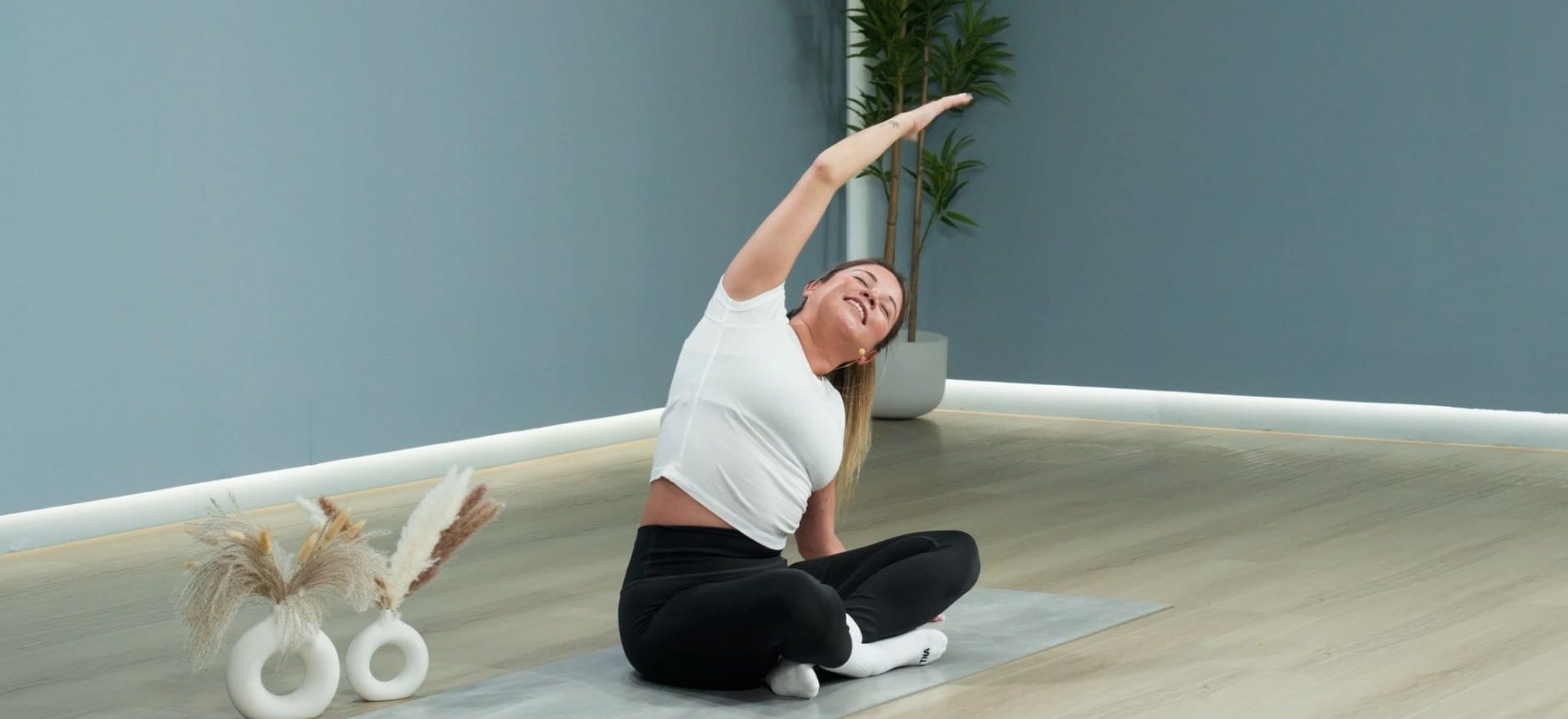
How Should You Plan Your Workout Week After 40?
Most adults over 40 do well with Strength 2 to 3 days a week, Cardio on most days, and a little Flexibility almost every day.
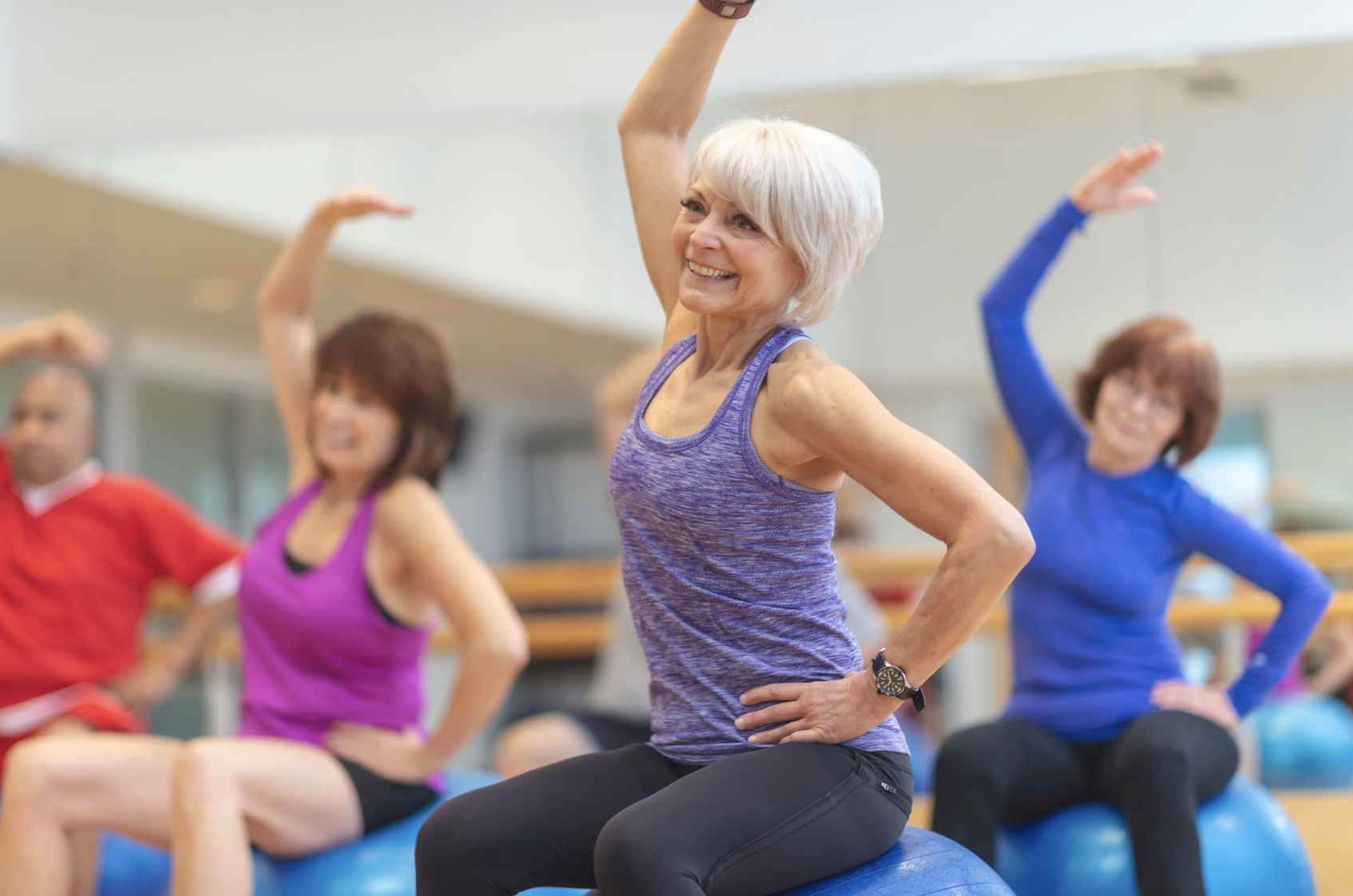
Why Flexibility Matters After 40 and How It Helps You Long Term
For many people, turning 40 marks a noticeable shift in how their body feels. Joints feel stiffer in the morning. Recovery takes longer. Small aches linger. Movements that once felt easy now need more attention. This isn't a sign of decline. It's a signal that flexibility work matters more now. Flexibility helps you keep moving comfortably and with confidence. For adults over 40, it isn't optional or secondary. It's a core part of a balanced routine. What Flexibility Really Means (And What I
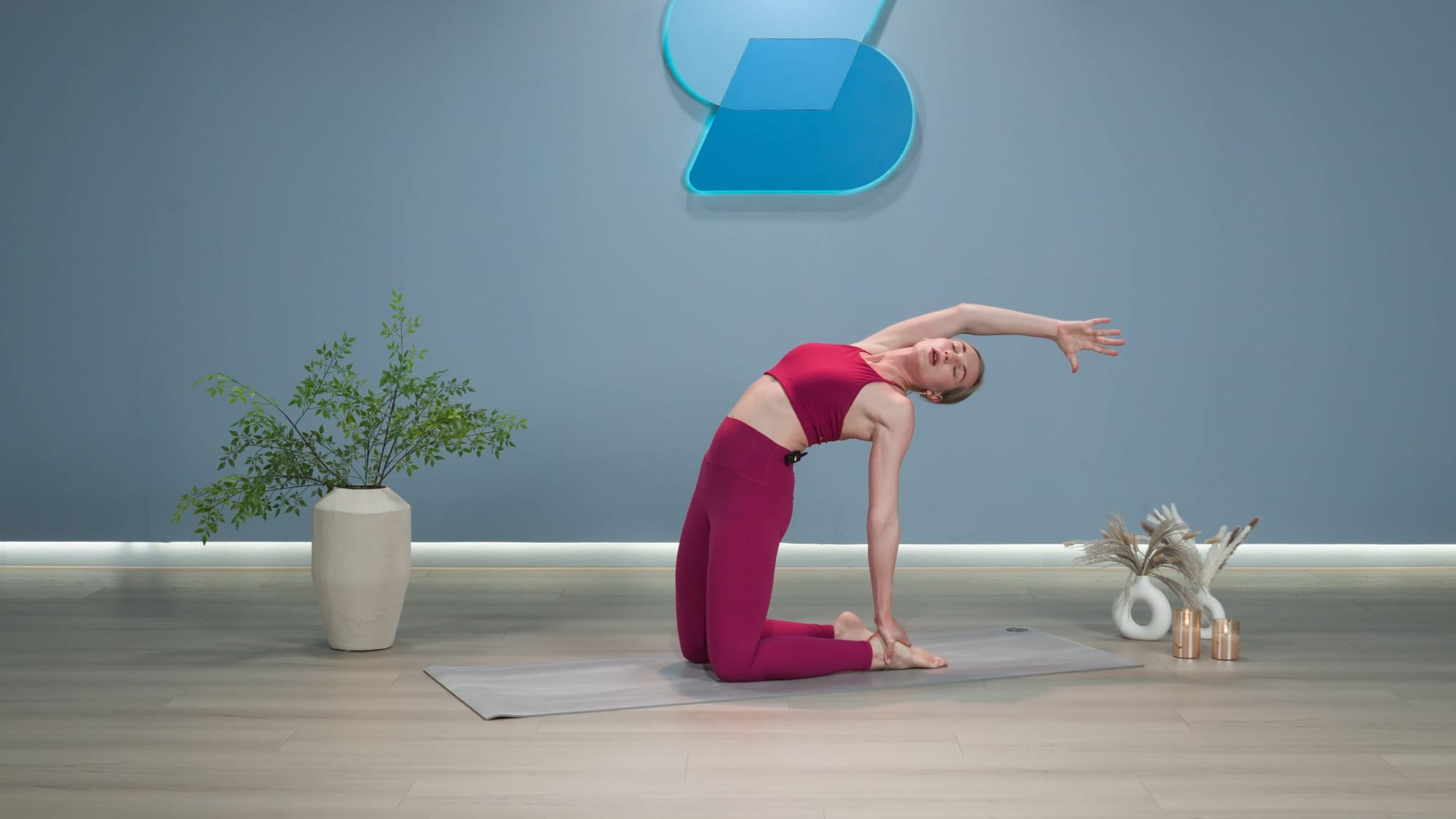
Stretch and Recovery: Why Rest Days Are the Secret to Progress
When you’re fired up about fitness, whether it’s a no-equipment full-body session, mat Pilates flow, or a dance cardio burst, it’s tempting to keep going day after day. But here’s the truth: real progress doesn’t happen in the workout. It happens in the break in-between, when your body recovers. In this blog post we’ll explore the science behind rest and recovery, why they matter (especially in 2025), and how the platform Step.co can help you make them part of your routine so your workouts work