
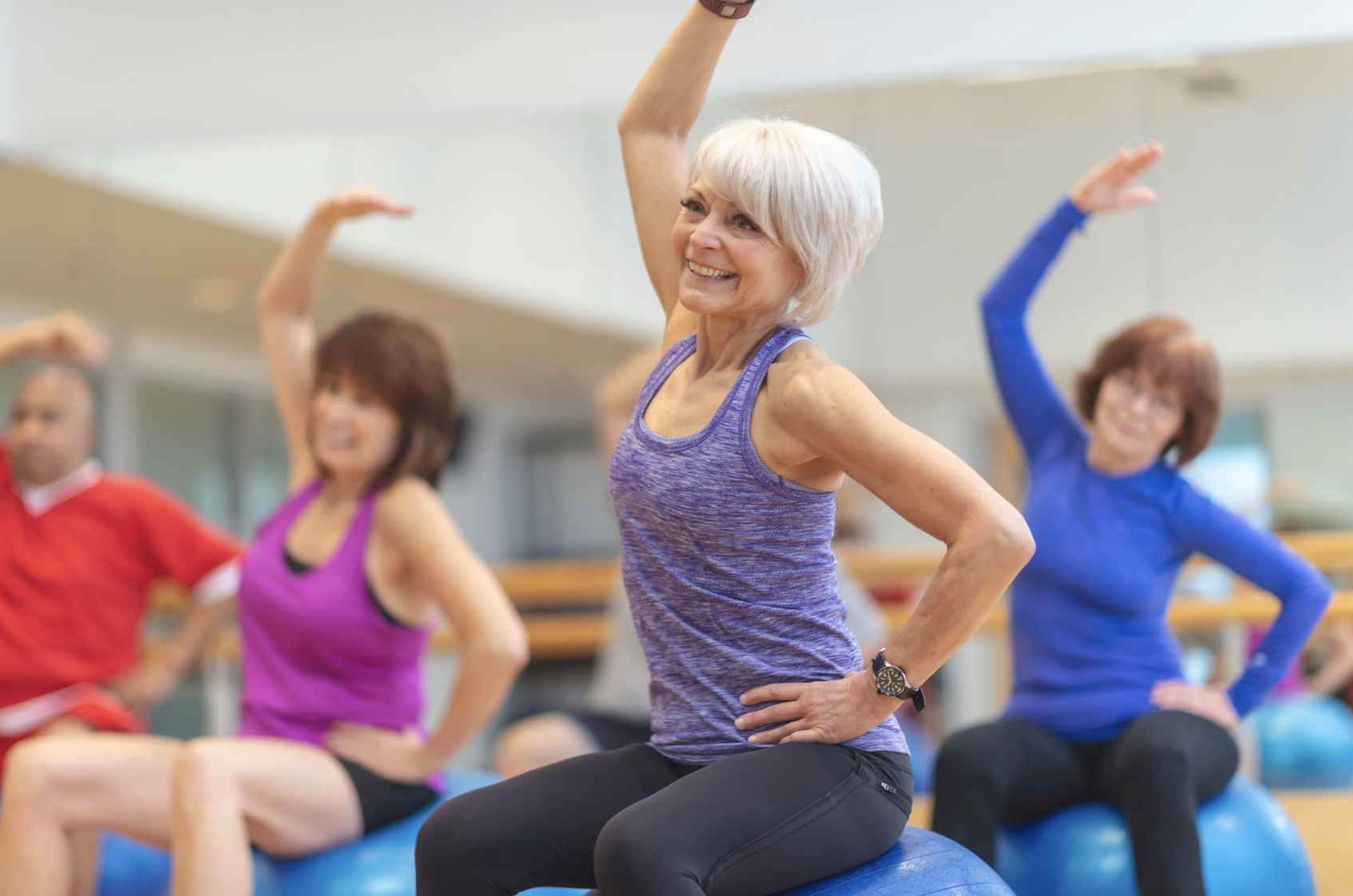
Why Flexibility Matters After 40 and How It Helps You Long Term
For many people, turning 40 marks a noticeable shift in how their body feels. Joints feel stiffer in the morning. Recovery takes longer. Small aches linger. Movements that once felt easy now need more attention.
This isn't a sign of decline. It's a signal that flexibility work matters more now.
Flexibility helps you keep moving comfortably and with confidence. For adults over 40, it isn't optional or secondary. It's a core part of a balanced routine.
What Flexibility Really Means (And What It's Not)
Flexibility is often thought of as simple stretching. Here, it means more than that: the ability of your joints and muscles to move through their full range with control and strength.
Good flexibility combines:
- Comfortable joints
- Muscles that can lengthen easily
- Control of your movement
- Stability as you move
It's the difference between being able to touch your toes and being able to squat, turn, reach, and move with confidence in daily life.
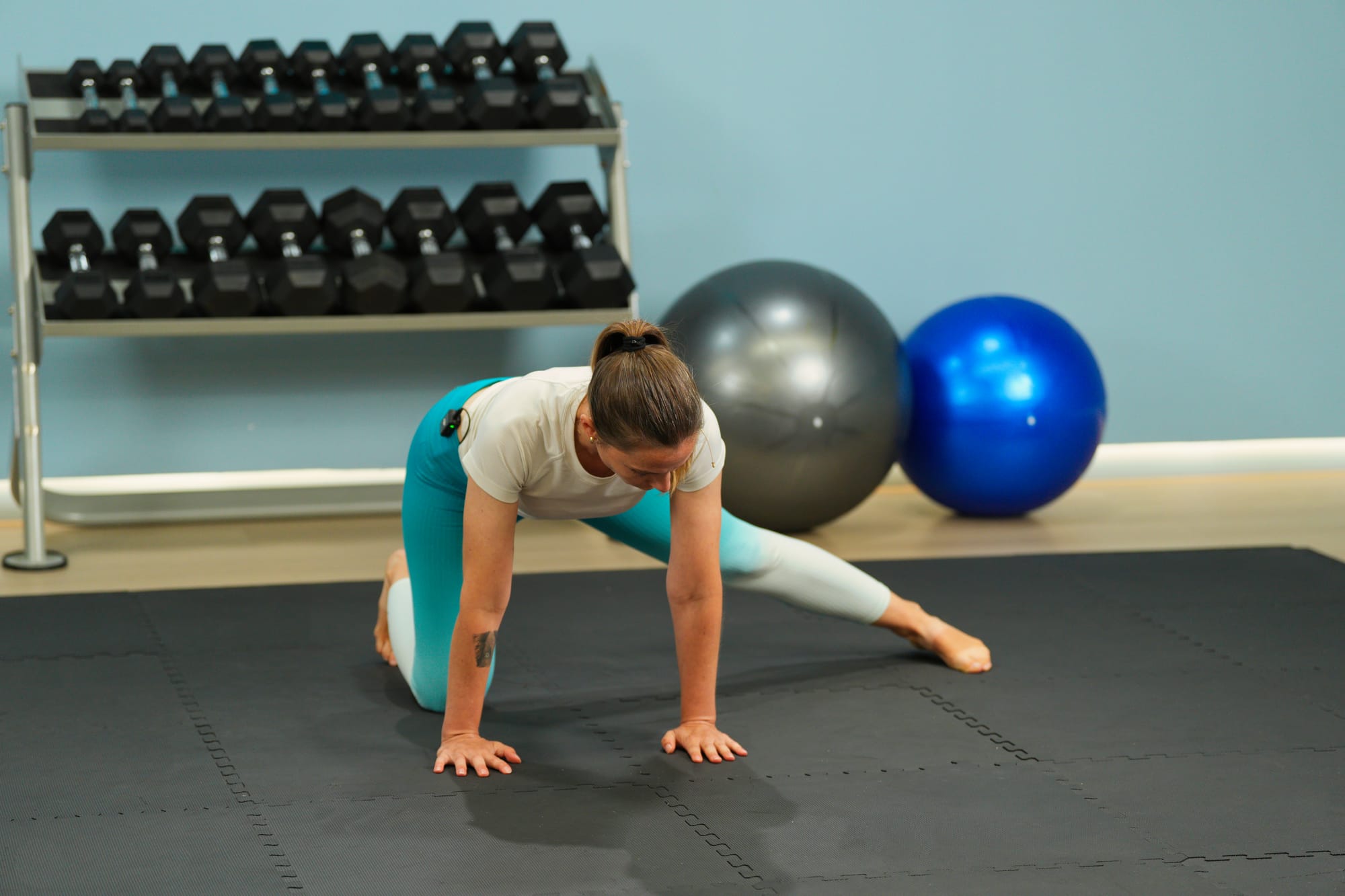
What Happens to Flexibility After 40
Natural changes with age
After 40, a few natural changes affect how you move:
- Tendons and other connective tissue become less elastic
- Joints show gradual wear
- Muscle shrinks unless you work to keep it
- Coordination can slow down
Many people notice their range of motion shrinks in midlife, especially if they sit a lot.
The good news is that much of this can change. Stiffness often comes from sitting for long periods, repeating the same movements, and rarely moving through a full range.
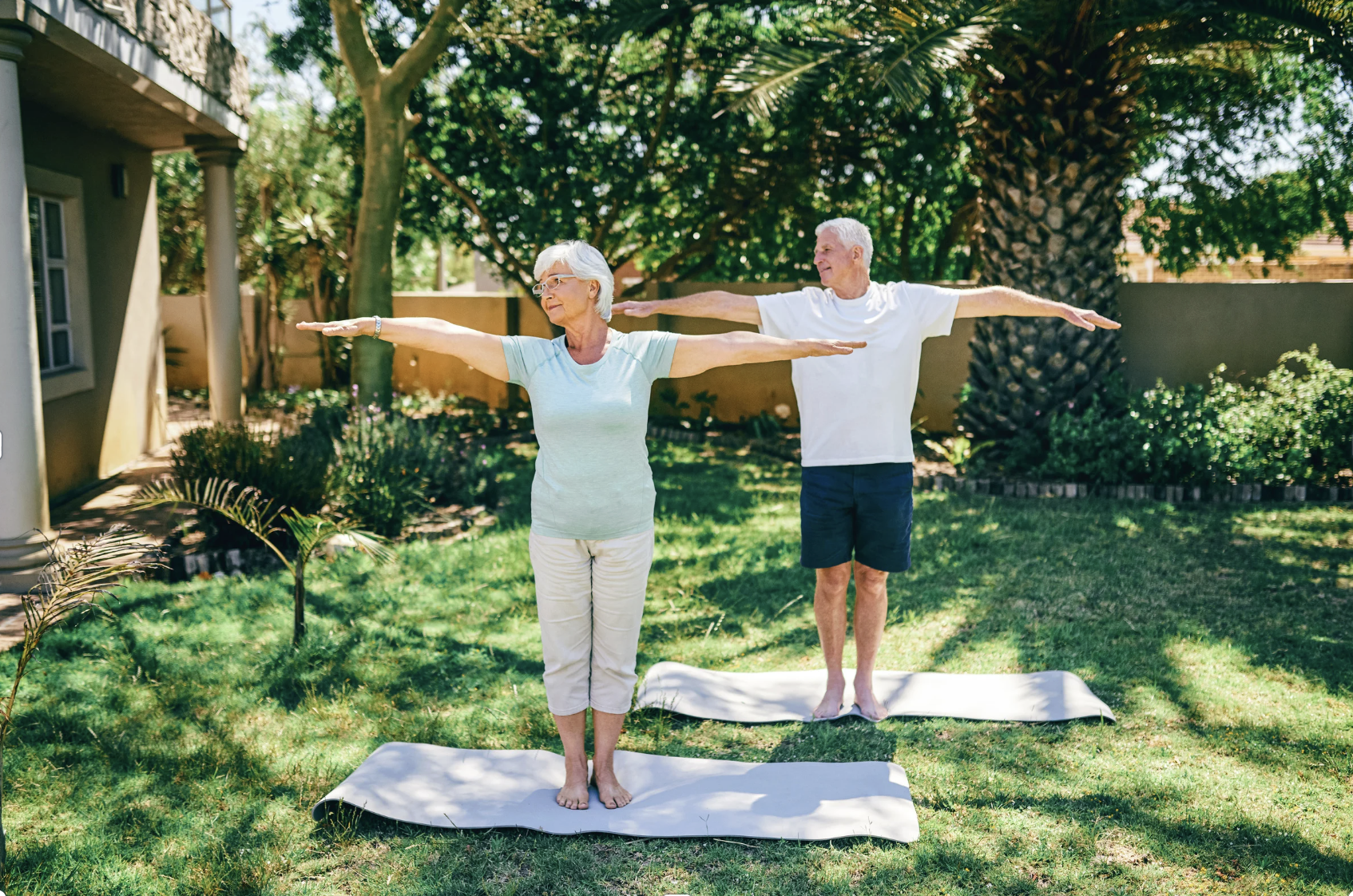
Flexibility and Everyday Life
Flexibility helps you stay independent
Moving well matters for the things you do every day. People who keep their range of motion and confidence in movement often find it easier to stay active as they get older.
Flexibility isn't about sport. It's about climbing stairs, getting up from the floor, carrying groceries, and moving without fear.
Flexibility helps you move with less strain
When your hips, ankles, or upper back feel tight, other parts of your body often work harder to make up for it. Many people find that regular flexibility work helps them move more comfortably.
After 40, setbacks can take longer to recover from, so moving well matters even more.
Flexibility supports Strength and Cardio
Strength and cardio are essential. Flexibility helps you get more out of both.
Good flexibility can help you:
- Use your strength through a full range
- Improve balance and coordination
- Avoid awkward, compensating movements
- Progress more safely in strength and cardio
Flexibility doesn't replace strength or cardio. It helps both work better.
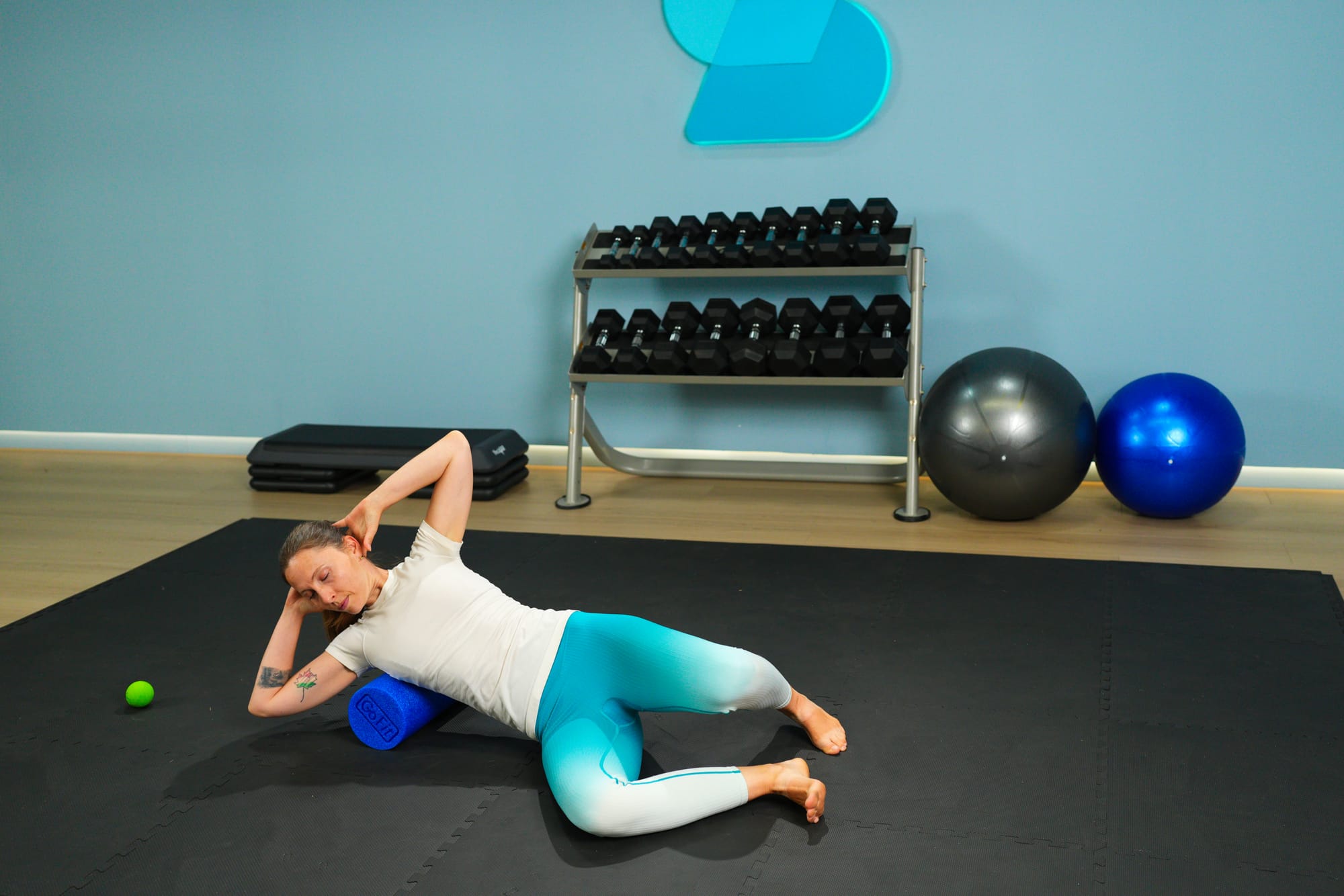
Flexibility and Stress
Slow, controlled movement can help you feel more aware of your body and less tense.
This matters after 40, when stress, poor sleep, and hormone changes can add to tension and stiffness.
Many people find gentle flexibility work helps them:
- Feel less stiff
- Move with more confidence
- Recover between workouts
- Move better overall
This is why flexibility work often feels good right away, not just over time.
Why Flexibility Work Should Increase After 40, Not Decrease
Many people do less flexibility work as they age and focus only on walking or light cardio. That can leave you stiffer over time.
A good approach after 40 is to:
- Keep or increase how often you do flexibility work
- Combine flexibility with strength through a full range of motion
- Include work for your hips, spine, shoulders, and ankles
Flexibility helps the body keep adapting instead of stiffening.
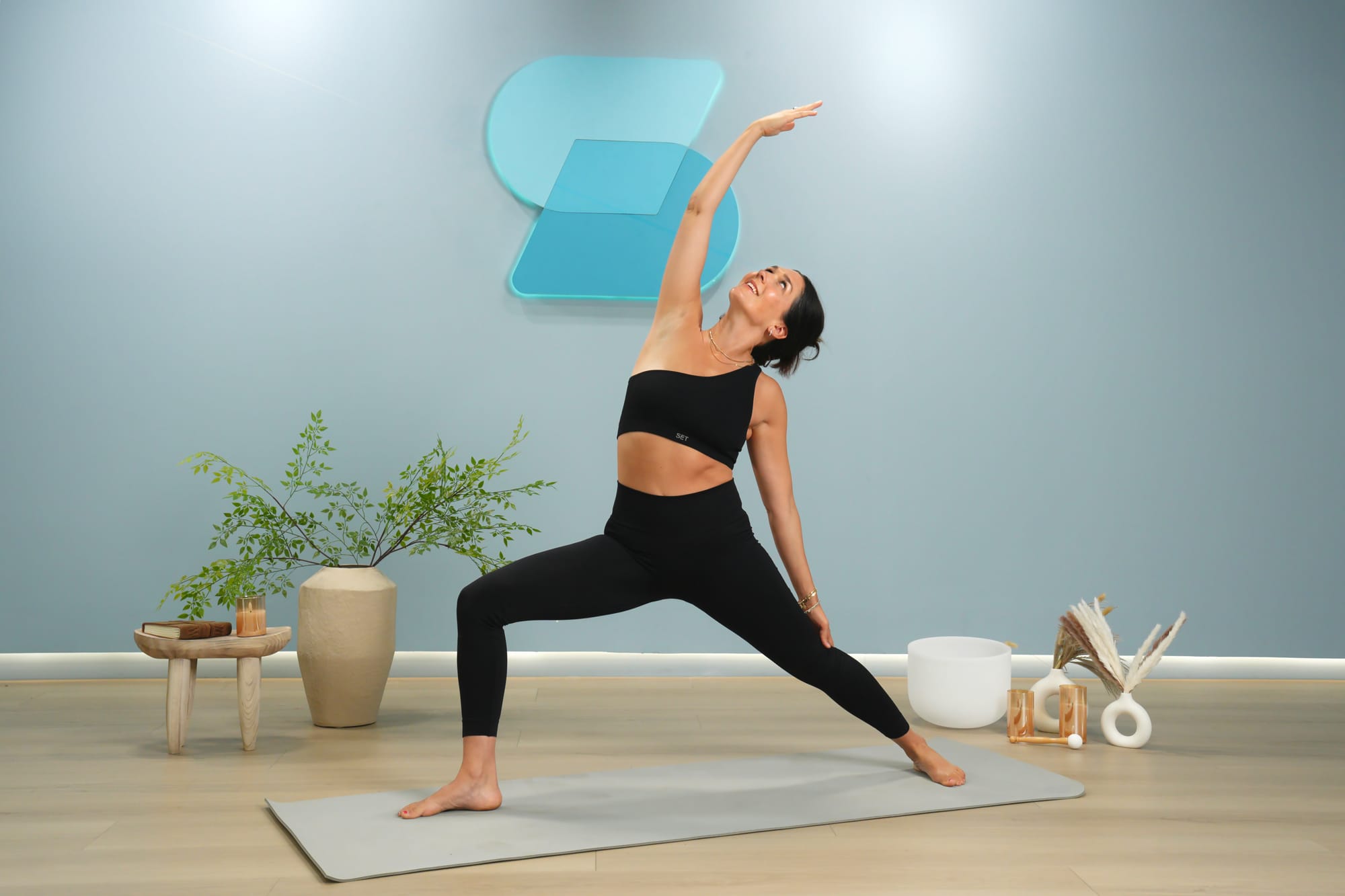
How Step.co Supports Flexibility for Adults Over 40
Step tracks three weekly targets: Strength, Cardio and Flexibility. Flexibility is a core part of your routine, not a recovery afterthought.
Classes such as Stretch and Recovery Flow, Mat Pilates Core Flow, and Yoga for Runners and Athletes aim to:
- Improve joint range of motion
- Strengthen the muscles that keep you steady
- Support posture and alignment
- Ease stiffness and daily discomfort
These classes suit adults over 40 because they focus on controlled movement, breathing, and comfortable joints rather than aggressive stretching.
When Flexibility is paired with Strength and Cardio sessions on Step.co, many people find they recover better and move with more confidence.
How Often Should You Train Flexibility After 40?
Short, frequent sessions tend to work better than occasional long ones.
A practical guide:
- Short flexibility sessions 3 to 6 days a week
- Focus on hips, spine, shoulders, and ankles
- Pair flexibility with light strength or recovery days
Consistency matters more than intensity.
Flexibility Means Moving Better, Not Doing Less
One of the most important mindset shifts after 40 is seeing flexibility work as an upgrade, not a step backward.
It can help you:
- Keep training with fewer setbacks
- Recover between workouts
- Stay independent and confident
- Support strength, balance, and endurance
Flexibility keeps the body adaptable. Being adaptable helps you keep moving for years.
Final Thoughts
After 40, flexibility is one of the best investments you can make in how you move. Keeping your range of motion, control, and comfort can help you stay independent and enjoy daily life.
Flexibility isn't optional. It's essential.
With Step.co, you can see how your Flexibility target is going this week, alongside Strength and Cardio.
If you have a health condition, or pain that worries you, check with your doctor before you start something new.
How you move today shapes how you feel tomorrow.
Read More
How Should You Plan Your Workout Week After 40?
Most adults over 40 do well with Strength 2 to 3 days a week, Cardio on most days, and a little Flexibility almost every day.
Stretch and Recovery: Why Rest Days Are the Secret to Progress
When you’re fired up about fitness, whether it’s a no-equipment full-body session, mat Pilates flow, or a dance cardio burst, it’s tempting to keep going day after day. But here’s the truth: real progress doesn’t happen in the workout. It happens in the break in-between, when your body recovers. In this blog post we’ll explore the science behind rest and recovery, why they matter (especially in 2025), and how the platform Step.co can help you make them part of your routine so your workouts work

Stretching Before Bed: How a Gentle Ritual Improves Sleep.
Let’s face it: after a long day, your mind is buzzing and muscles are tight. What if a simple few minutes of stretching could help you sleep deeper, reduce stress, and wake up feeling better? Turns out, science says yes. The Benefits of Stretching Before Sleep 1. Improves Sleep Quality: A 2024 meta-analysis involving over 1,200 participants found stretching before bed delivered a large 8.88% improvement in sleep efficiency, a moderate 4.36% decrease in time to fall asleep, and a very large 14