
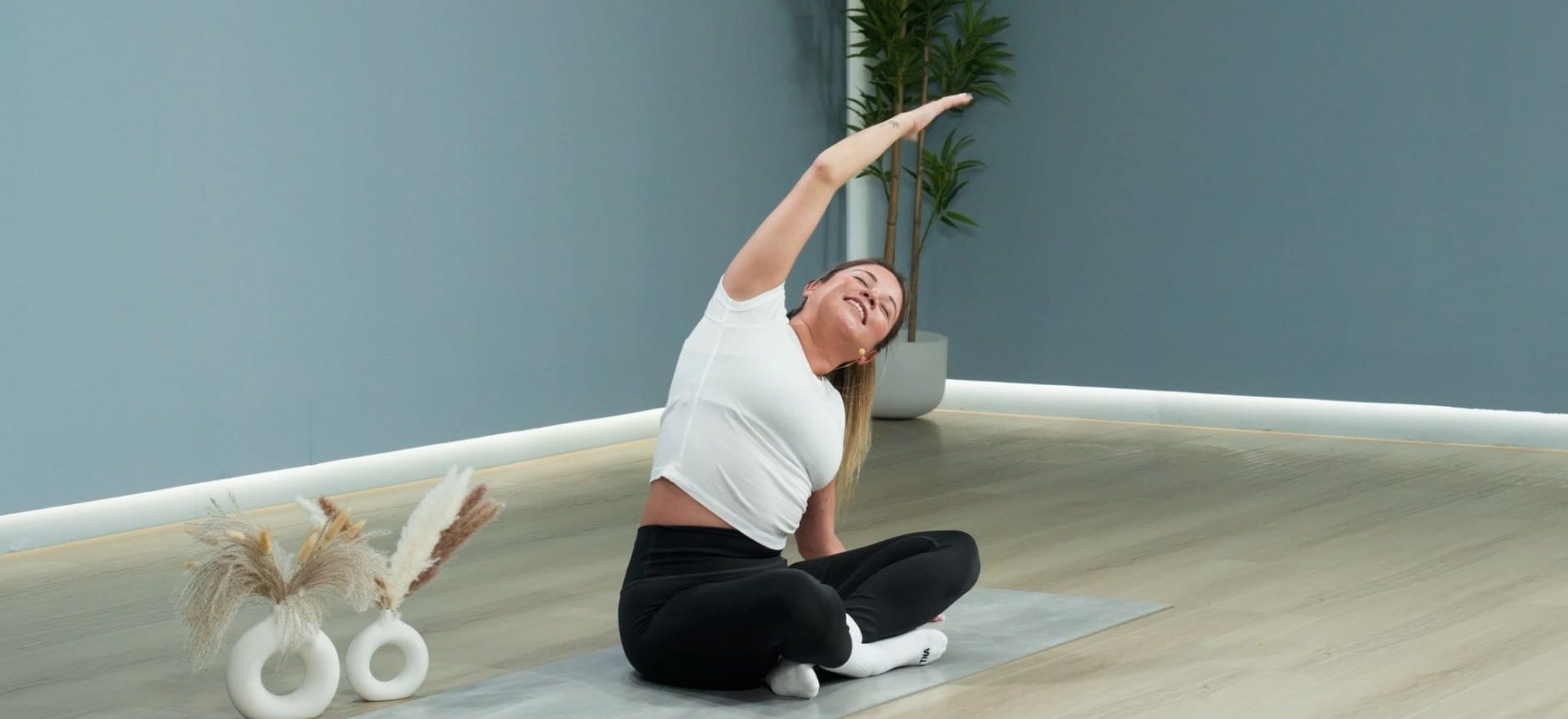
How Should You Plan Your Workout Week After 40?
Most adults over 40 do well with Strength 2 to 3 days a week, Cardio on most days, and a few minutes of Flexibility almost every day. Each session can be 20 to 30 minutes. You do not need long workouts. You need a simple plan you can repeat, and a way to adjust it when your week changes.
This guide shows you a sample week, how to change it on busy or low-energy days, and the common mistakes to avoid.
Why Strength, Cardio and Flexibility?
Each one does a different job. Together, they cover the main kinds of movement you use every day.
Strength
Keeps your muscles working for you
It helps you carry groceries, climb stairs, and get up off the floor. Muscle tends to drop with age, so regular strength work matters more after 40.
2 to 3 sessions a weekCardio
Builds your stamina
Walking, cycling, dancing, or a brisk climb up the stairs all count. Many people find regular cardio helps their energy and sleep.
Most days, 20 to 30 minutesFlexibility
Helps you move without feeling stiff
Many people notice they feel tighter in midlife, especially if they sit a lot. A few minutes a day can make everyday movement feel easier.
5 to 10 minutes on most days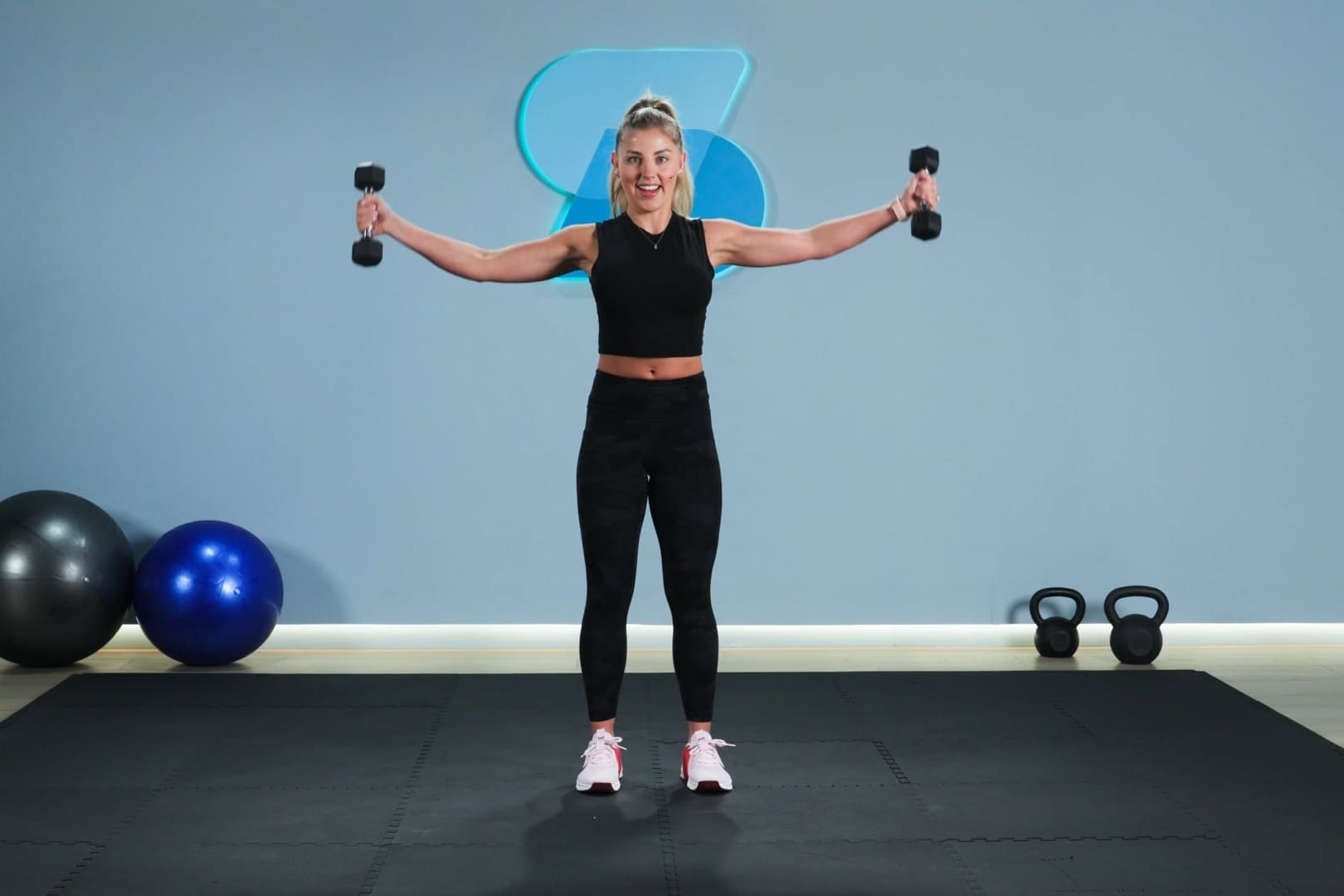
If you only do one of the three, you miss out on the others. A good week includes all three. Read more about why these three work best together.
How Much of Each Do You Need?
The World Health Organization activity guidelines suggest that adults aim for at least 150 minutes of moderate activity a week, plus muscle-strengthening activity on 2 or more days.
150 min
of moderate activity a week
2+ days
of muscle-strengthening activity
20 to 30
minutes a day, broken down
Source: World Health Organization
That can sound like a lot. Broken down, it is about 20 to 30 minutes a day.
Here is a simple way to think about it:
- Strength: 2 to 3 sessions a week, 20 to 30 minutes each
- Cardio: most days, 20 to 30 minutes at a pace where you can talk but not sing
- Flexibility: 5 to 10 minutes on most days, or a longer session 2 to 3 times a week
Strength work does not have to be intense to work. If you want to know more, read Strength Training for People Over 40: Do You Need High-Intensity Workouts?

A Sample Week
Here is one way to fit all three into a busy week. Each day takes about 20 to 40 minutes.
Sample week
One week, all three targets
- Strength:2 to 3 days
- Cardio:2 to 3 days
- Flexibility:almost daily
-
Mon
StrengthFlexibility30 min
25 minutes full-body strength, then 5 minutes of stretching
-
Tue
Cardio25 to 30 min
25 to 30 minute brisk walk or low-impact cardio
-
Wed
Flexibility20 min
20 minutes of yoga, Pilates, or a stretch flow
-
Thu
StrengthFlexibility30 min
25 minutes full-body strength, then 5 minutes of stretching
-
Fri
Cardio20 to 30 min
20 to 30 minutes of cardio you enjoy, like dance or cycling
-
Sat
StrengthCardio30 to 40 min
A third strength session, or a longer walk
-
Sun
RestFlexibility20 to 30 min
Easy walk and 10 minutes of gentle stretching
Show the sample week as a plain table
| Day | Main focus | What to do |
|---|---|---|
| Monday | Strength | 25 minutes full-body strength, then 5 minutes of stretching |
| Tuesday | Cardio | 25 to 30 minute brisk walk or low-impact cardio |
| Wednesday | Flexibility | 20 minutes of yoga, Pilates, or a stretch flow |
| Thursday | Strength | 25 minutes full-body strength, then 5 minutes of stretching |
| Friday | Cardio | 20 to 30 minutes of cardio you enjoy, like dance or cycling |
| Saturday | Strength or Cardio | A third strength session, or a longer walk |
| Sunday | Rest and Flexibility | Easy walk and 10 minutes of gentle stretching |
Notice that strength days are not back to back. That gives your muscles time to recover. Flexibility shows up almost every day, even if only for a few minutes.
How to Adjust the Plan
Real weeks do not look like a table. Here is how to change the plan without giving up on it.
When you only have 10 or 15 minutes
Do a shorter version of the day. Ten minutes of strength still counts. So does a 15 minute walk. A short session keeps the habit going, and the habit matters more than any single workout.
When you feel stiff or sore
Stiffness often eases once you start moving. Soreness from a hard workout may need an easier day. Swap a strength day for Flexibility or an easy walk, and move the strength session to later in the week. For help telling the two apart, read Stiffness vs. Soreness: Should You Work Out Today?
When your energy is low
Poor sleep, stress, and hormone changes in perimenopause and menopause can make some days harder. On low-energy days, pick the gentlest option: Flexibility or a slow walk. Gentle movement keeps the habit going on those days.
When walking is your main cardio
Walking is a great choice. Pick up the pace for a few minutes at a time, or add a hill, to make it a little harder. Read more in Is Walking a Good Workout for Busy Adults Over 40?
The habit matters more than any single workout.
Common Mistakes to Avoid
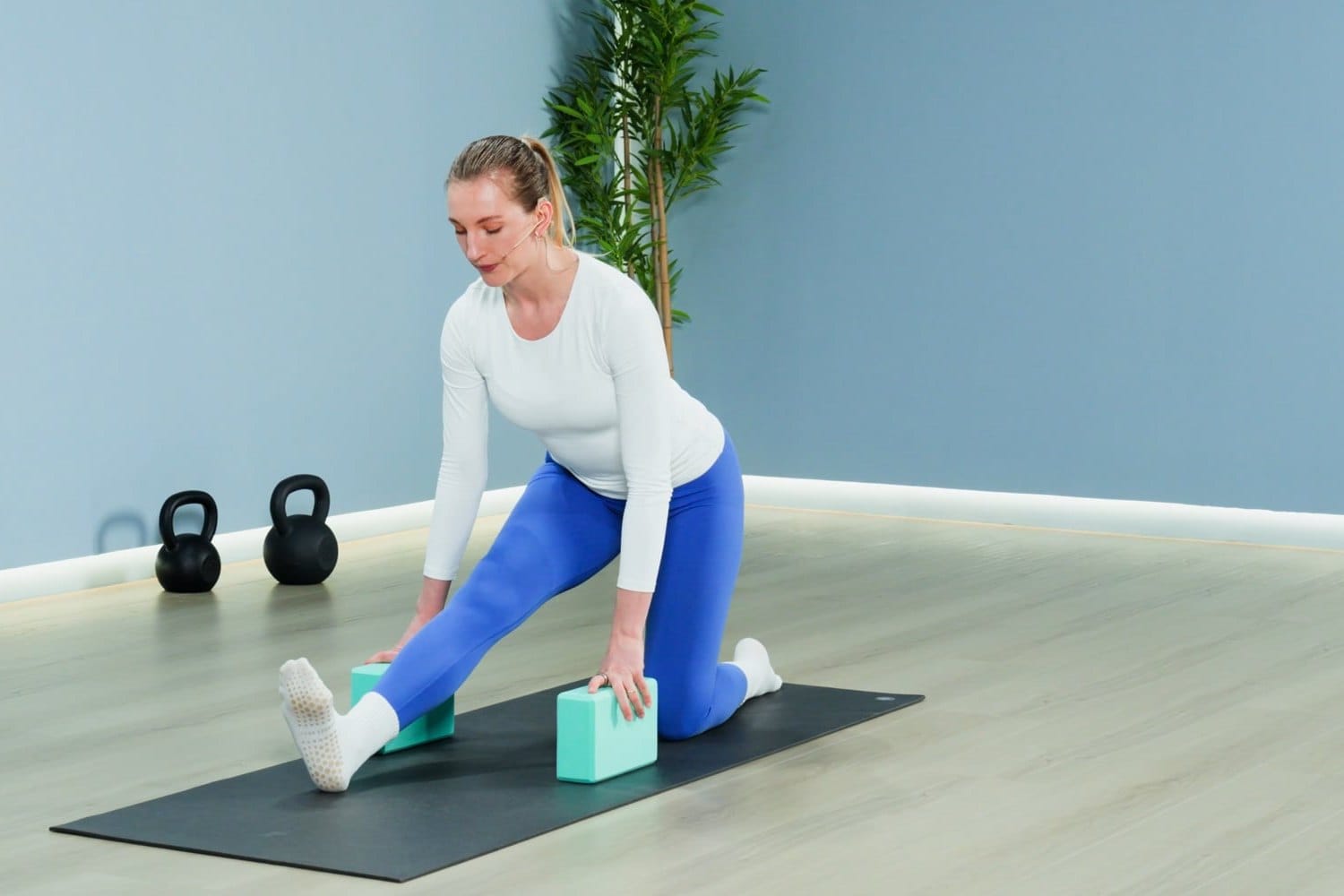
- Doing only cardio. Walking is great, but it does not replace strength work.
- Skipping Flexibility. It is easy to treat stretching as optional. A few minutes a day helps you feel less stiff.
- Going all out every day. Hard sessions need easier days around them.
- Giving up after a missed day. Just pick up the plan where you are. You do not need to make up for lost time.
- Copying a plan built for someone else. Your plan should fit your time, energy, and body.
Try this today
Start your week in three small steps
- Pick your Strength days. Choose 2 or 3 days that are not back to back, like Monday, Thursday and Saturday.
- Take a 20 minute walk. Go at a pace where you can talk but not sing.
- Finish with 5 minutes of stretching. Keep it gentle and easy. That is your Flexibility for today.
How Step Helps
Planning your week is one thing. Knowing what to do today is another.
Step tracks three weekly targets: Strength, Cardio and Flexibility, the same three in this guide. It suggests a few sessions for you on the Start screen, and you can see how each target is going this week.
Step tells you what to do next.
Have a question? Ask Coach in the app.
Less guessing. More guidance.
Comparing options? Read What Are the Best Fitness Apps for People Over 40?
FAQ: Weekly Workout Plan After 40
How many days a week should I work out after 40?
Most people do well with some movement on 5 or 6 days a week. That includes 2 to 3 strength days, cardio on most days, and short Flexibility sessions. One full rest day is fine.
Can I do Strength and Cardio on the same day?
Yes. If you have time, do strength first and cardio after, or split them into morning and evening. Many busy people find that combining them saves time.
Is stretching enough for Flexibility?
Stretching is a good start. Yoga, Pilates, and slow, controlled movement through a full range also count. Pick what you enjoy, so you keep doing it.
What if I miss a day?
Move on to the next day of the plan. One missed day does not undo your progress. Consistency over weeks and months is what counts.
Should I check with my doctor first?
If you are new to exercise, or if you have a health condition, check with your doctor before you start a new routine. Start gently and build up over a few weeks.
Final Takeaway
A good week after 40 does not need to be complicated. Aim for Strength 2 to 3 times a week, Cardio on most days, and a little Flexibility almost every day. Keep sessions short, adjust when life gets busy, and focus on showing up.
Small, steady steps add up.
Want help knowing what to do next?
Get Step on the App Store.
Download StepRead More

Why Flexibility Matters After 40 and How It Helps You Long Term
For many people, turning 40 marks a noticeable shift in how their body feels. Joints feel stiffer in the morning. Recovery takes longer. Small aches linger. Movements that once felt easy now need more attention. This isn't a sign of decline. It's a signal that flexibility work matters more now. Flexibility helps you keep moving comfortably and with confidence. For adults over 40, it isn't optional or secondary. It's a core part of a balanced routine. What Flexibility Really Means (And What I
Stretch and Recovery: Why Rest Days Are the Secret to Progress
When you’re fired up about fitness, whether it’s a no-equipment full-body session, mat Pilates flow, or a dance cardio burst, it’s tempting to keep going day after day. But here’s the truth: real progress doesn’t happen in the workout. It happens in the break in-between, when your body recovers. In this blog post we’ll explore the science behind rest and recovery, why they matter (especially in 2025), and how the platform Step.co can help you make them part of your routine so your workouts work

Stretching Before Bed: How a Gentle Ritual Improves Sleep.
Let’s face it: after a long day, your mind is buzzing and muscles are tight. What if a simple few minutes of stretching could help you sleep deeper, reduce stress, and wake up feeling better? Turns out, science says yes. The Benefits of Stretching Before Sleep 1. Improves Sleep Quality: A 2024 meta-analysis involving over 1,200 participants found stretching before bed delivered a large 8.88% improvement in sleep efficiency, a moderate 4.36% decrease in time to fall asleep, and a very large 14