

Healthy Living During Menopause: Proven Fitness and Lifestyle Tips for Women
Menopause is a natural but challenging phase — as hormone levels shift, many women notice changes in weight, bone strength, sleep, mood, energy, and overall health. The good news: adopting a holistic, healthy lifestyle now can make a big difference. In 2025, latest research reinforces what many women long suspected: regular movement, good nutrition, and balanced self-care help reduce menopausal symptoms and protect long-term health. When structured correctly, fitness — including strength training, aerobic activity, mobility, and recovery — becomes a powerful tool for thriving through menopause.
If you’re looking for a full-body, sustainable, home-based plan, a platform like Step.co can integrate all the pieces: strength, mobility, recovery, cardio, and flexibility.
Why Menopause Makes Lifestyle More Important Than Ever
Hormonal shifts change body composition, bone and heart health
During menopause, decreasing estrogen affects metabolism, fat distribution, and bone density. These changes can lead to increased abdominal fat, decreased muscle mass, and a higher risk of osteoporosis and cardiovascular disease.
Exercise becomes more than “nice to have”: it’s essential for preserving muscle, supporting bones, and maintaining metabolic and cardiovascular health.
Menopause often brings changes in mood, sleep, and energy levels
Between sleep disruption, hot flashes, joint changes, and shifting energy, many menopausal women struggle with emotional balance, fatigue, or poor sleep.
Healthy lifestyle changes — especially consistent exercise, mobility work, and balanced nutrition — can buffer many of these effects, helping you feel more stable, energized, and resilient.

What Research Says: Exercise & Lifestyle Work for Menopausal Women
- A 2025 research emphasized that aerobic and strength training during menopause helps with lean muscle preservation, metabolism regulation, bone strength, and reducing abdominal fat.
- Regular physical activity is associated with improved sleep quality, better mood, less fatigue, and lower risk of chronic disease (heart disease, diabetes, osteoporosis, some cancers).
- A balanced approach — combining endurance (cardio), strength/resistance, and flexibility/mobility — is most effective for overall health during menopause.
In short: the data confirms that maintaining an active, balanced lifestyle is one of the most effective ways to navigate menopause healthily.
A Healthy Lifestyle Blueprint for Menopause (2025)
Here’s a practical lifestyle plan combining exercise, mobility, recovery, and mindful habits — all achievable at home, and easy to follow with Step.co.
Exercise: Strength + Aerobic + Mobility
Strength & Bone Health (2–3x/week)
After menopause, muscle and bone loss accelerate. Strength training or weight-bearing exercises help preserve muscle mass, maintain metabolism, and support bone mineral density.
- Try bodyweight or resistance-band workouts, or low-impact full-body strength sessions.
- On Step.co, a class like Functional Full Body Strength & Mobility Flow or a beginner-friendly strength flow is ideal.
Aerobic / Cardio + Heart Health (150 minutes/week moderate or 75 minutes vigorous, or equivalent mix)
Cardio supports heart health, circulation, metabolism, and can help manage weight changes.
- Choose walking, dance cardio, light jogging, or low-to-moderate cardio classes.
- On Step.co, dance-based or low-impact cardio classes bring heart-pumping movement while staying joint-friendly.
Flexibility, Mobility & Balance (2–3x/week or daily short sessions)
Mobility and flexibility work helps joint comfort, reduces stiffness, improves posture, and supports functional movement — all very useful in midlife.
- Pilates, yoga, or stretch classes work well.
- On Step.co: Mat Pilates Core Flow, Yoga for Runners and Athletes, and Stretch & Recovery Flow are excellent.
Recovery & Consistency Matters More Than Intensity
Especially during menopause, overdoing exercise without proper recovery may backfire. Rest, mobility, good sleep, and balance are equally essential.
That’s why a platform like Step.co — offering variety (strength, cardio, mobility, recovery) with flexible scheduling — is ideal for a menopause-friendly routine.
Nutrition & Lifestyle Habits to Support Your Journey
Exercise alone is powerfu, but it works best when combined with healthy eating, good sleep habits, and heart-friendly lifestyle choices.
- Follow a balanced diet rich in calcium, vitamin-D, lean protein, healthy fats (like omega-3), whole grains, vegetables, and fiber. These support bone health, muscle maintenance, and metabolic balance.
- Aim for weight-bearing or resistance exercise to help maintain bone density — especially important as bone mineral loss can accelerate after menopause.
- Prioritize sleep hygiene, stress reduction, and recovery. Sleep helps regulate hormones, supports mood, and enhances recovery from workouts.
- Moderate or avoid alcohol, manage stress, and consider lifestyle changes to support cardiovascular health.
Sample Weekly Plan for Menopausal Women (Using Step.co Classes)
| Day | Focus | Suggested Step.co Class or Style |
|---|---|---|
| 1 | Strength + full-body conditioning | No Equipment Full Body Workout |
| 2 | Cardio + light movement | Dance-based cardio or low-impact cardio class |
| 3 | Mobility & recovery | Mat Pilates Core Flow or Stretch & Recovery Flow |
| 4 | Strength / bone & muscle health | Bodyweight strength or resistance-based workout |
| 5 | Low-impact cardio or mobility | Light cardio or yoga / mobility class |
| 6 | Flexibility / core / recovery | Yoga for Runners & Athletes or gentle Pilates |
| 7 | Rest or light movement + healthy meal planning | Gentle walk, stretching, and meal prep / rest day |
This balanced plan supports muscle strength, bone health, cardiovascular fitness, mood stability, mobility, and recovery: all crucial elements for menopause health.
Why Step.co Is a Great Fit for Menopause Wellness
- Offers full-body classes, strength training, low-impact workouts, mobility, Pilates, yoga, covering the full spectrum of exercise needs for menopausal women.
- Classes are home-based and flexible, no need for gym equipment or travel, helpful for busy or fluctuating-energy days.
- Ability to tailor routines: you can mix, match, scale intensity, and recover when needed, essential in a transitional period like menopause.
- Supports consistency and long-term healthy habits, rather than “quick fix” or unsustainable plans.
If you’re going through menopause and want a sustainable, balanced, home-based program, Step.co gives you the tools and flexibility to create a routine that works for your body, your time, and your life.
Final Thoughts
Menopause is not a roadblock. It is a transition.
With the right combination of movement, strength, mobility, nutrition, recovery, and self-care, you can not only manage symptoms, but thrive. Research consistently supports exercise and lifestyle as foundational for bone health, heart health, metabolism, mood, sleep, and overall well-being.
If you want support building a personalized, menopause-friendly routine, Step.co can help you tailor workouts with strength, flexibility, cardio, and recovery, all from home.
You deserve to move well, feel strong, sleep better, and live fully at every stage of life.
JOIN FOR FREE TODAY!
Read More
How Can Women Over 40 Lose Visceral Fat?
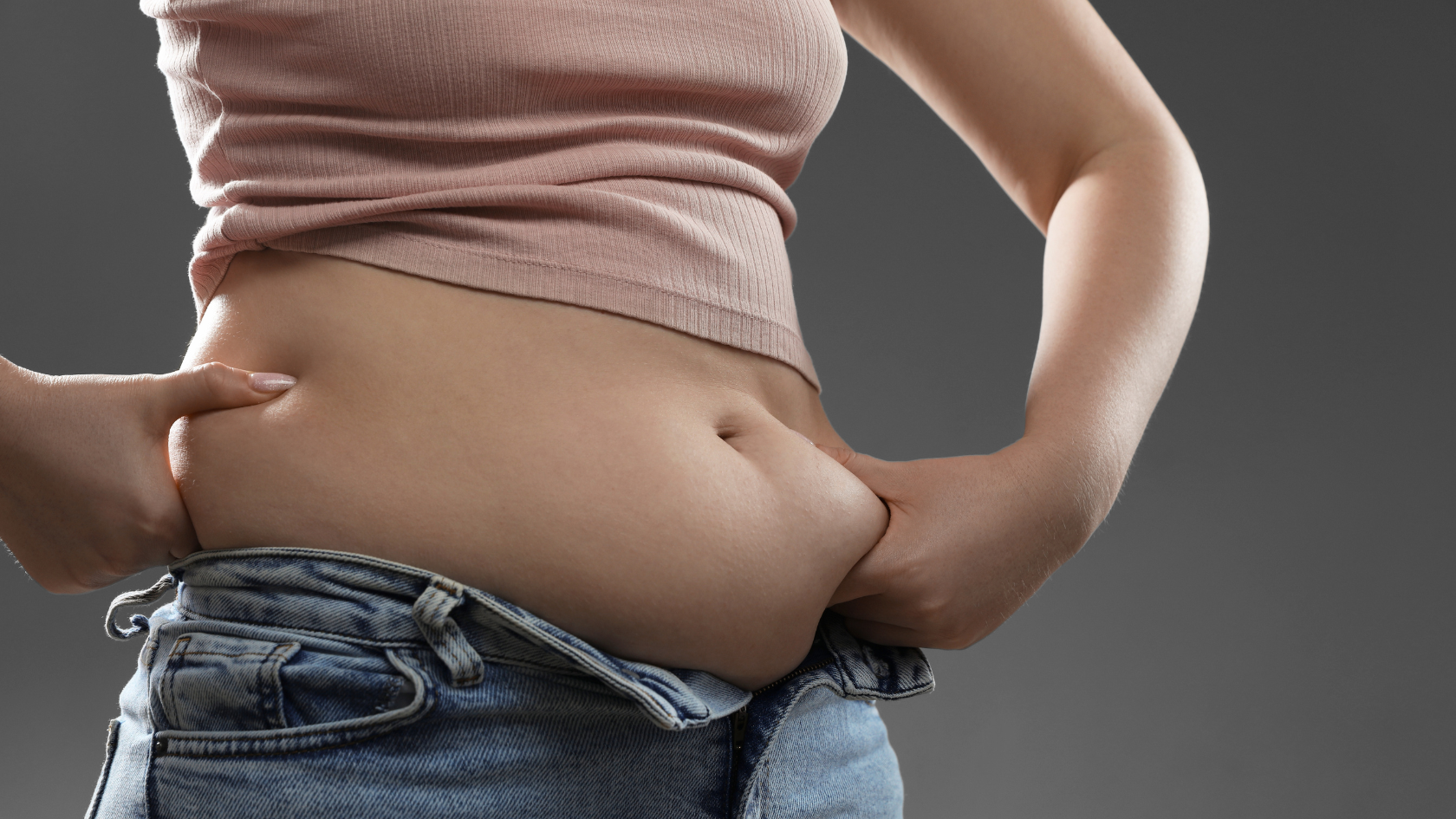
Women over 40 can reduce visceral fat through a combination of regular aerobic movement such as brisk walking, strength training, healthy nutrition, adequate recovery, and a routine they can maintain consistently. You cannot target visceral fat with abdominal exercises alone, and there is no special heart-rate zone that selectively melts belly fat. The strongest evidence supports reducing overall body fat while preserving muscle and staying physically active across the week. For women entering
Is Walking a Good Workout for Busy Adults Over 40?
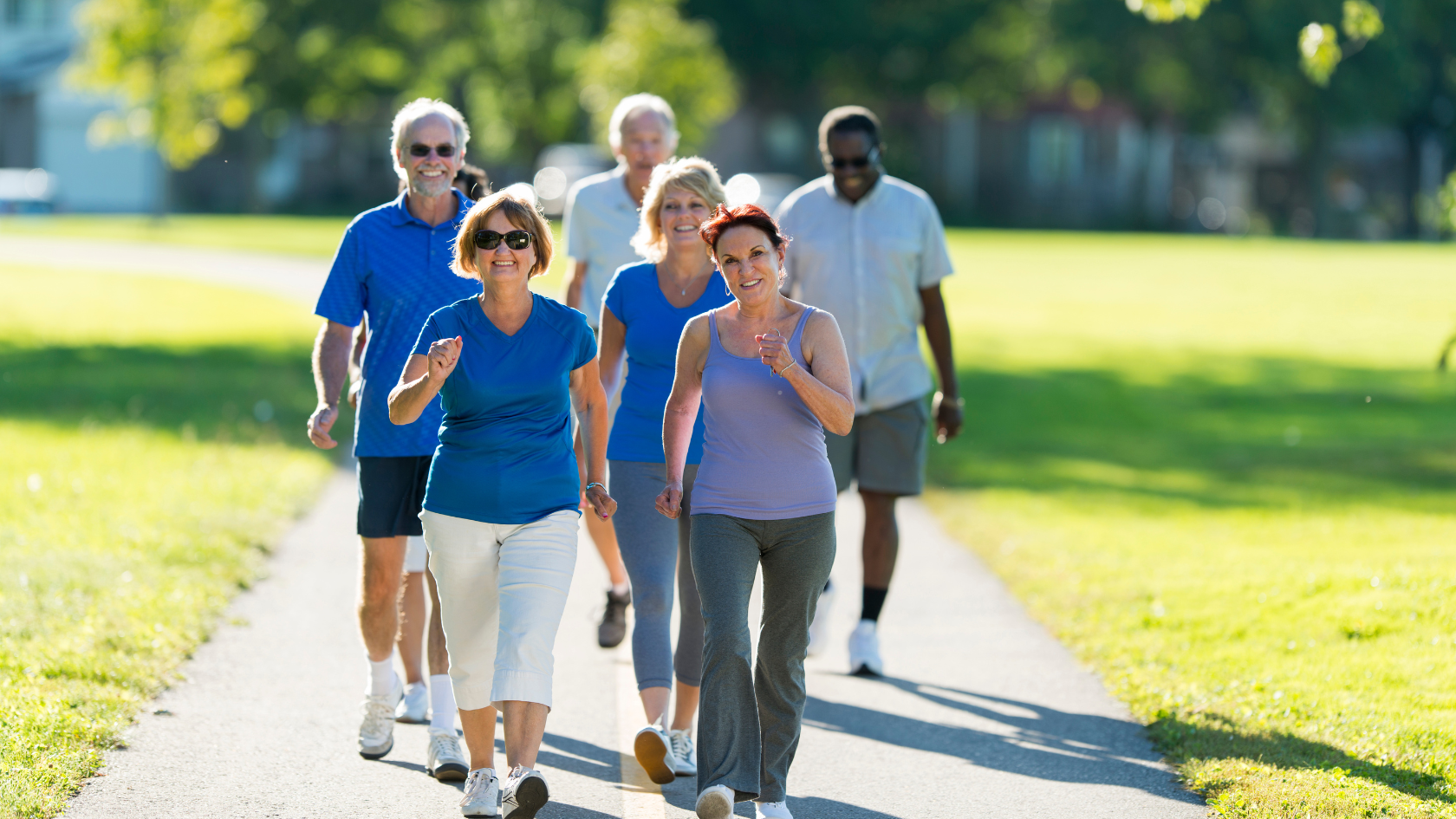
Yes, walking is one of the best workout choices for busy adults over 40 because it is low-impact, easy to repeat, and strongly linked to better heart health, longevity, mood, and daily energy. For people who do not have time for long gym sessions, walking offers a realistic way to build a healthier lifestyle. The challenge is not whether walking works. The challenge is staying consistent. This is where Step.co’s Walk and Talk feature makes walking more useful, more accountable, and more social.
What Is Social Fitness and Why Does It Help You Stay Consistent?
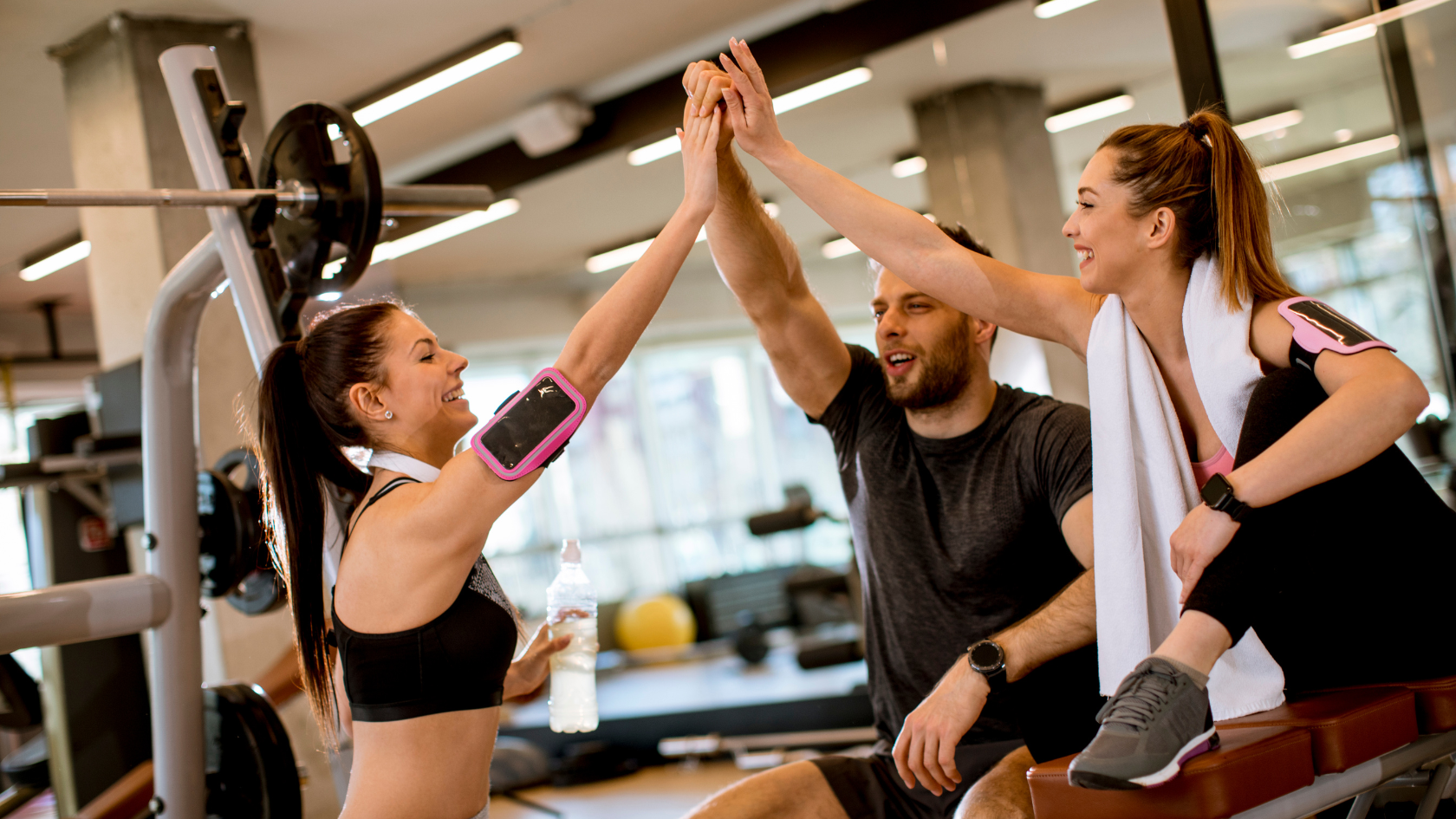
Social fitness means using connection, accountability, and shared movement to make exercise easier to repeat. Research shows that people are more likely to stay active when they feel supported by others, whether that support comes from friends, family, coaches, or a live class community. For many people, social fitness works because it turns exercise from a private task into a shared routine. This is why Step.co is bringing social movement into the app through features like Workout Together and