
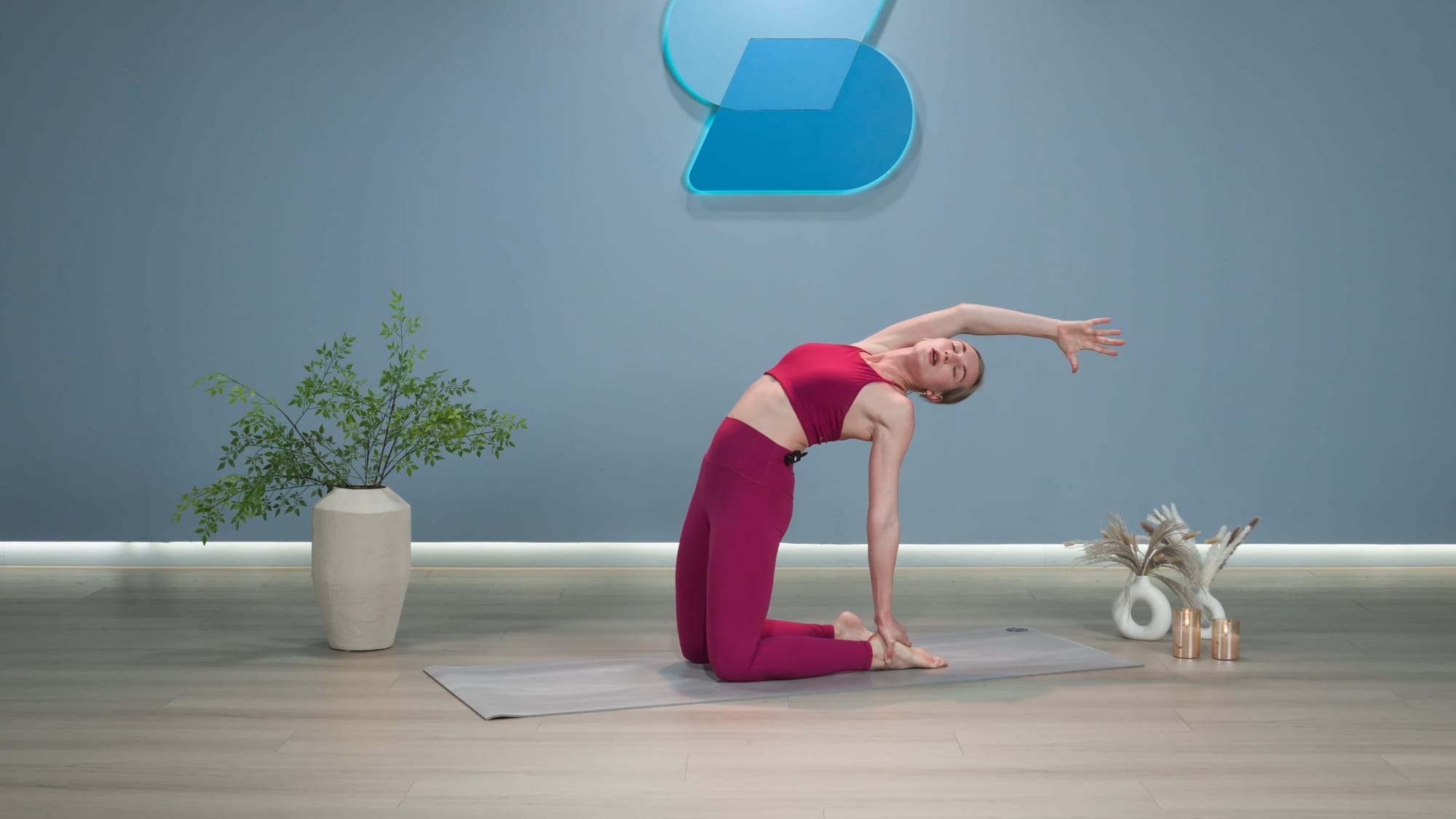
Stretch and Recovery: Why Rest Days Are the Secret to Progress
When you’re fired up about fitness, whether it’s a no-equipment full-body session, mat Pilates flow, or a dance cardio burst, it’s tempting to keep going day after day. But here’s the truth: real progress doesn’t happen in the workout. It happens in the break in-between, when your body recovers.
In this blog post we’ll explore the science behind rest and recovery, why they matter (especially in 2025), and how the platform Step.co can help you make them part of your routine so your workouts work better.
Why Recovery Is Non-Negotiable
1. Muscles get stronger after you train
When you work out—especially challenging strength, cardio or martial-arts style movement—you create tiny tears and stress in muscle fibres, connective tissue, even your nervous system. According to wellness experts from UCHealth:
“Exercise … creates tiny muscle tears. As muscles heal, they grow bigger and stronger. This process occurs during rest and recovery, not during the exercise session itself.”
So the day (or days) after your workout are when the magic happens: repair → adaptation → progress.
2. Optimal rest interval matters
A common myth: If you push hard every day you’ll see faster progress. Instead the data shows the opposite. For example, a study found that when resistance-training sessions were spaced by 48–72 hours the performance outcomes (10-RM loads, muscle strength) were significantly better than when sessions were only 24–36 hours apart.
Another resource stresses taking at least one full rest day per week.
Bottom line: Rest strategically.
3. Prevent burnout, injury and plateaus
Here are some of the listed benefits of rest days:
- They allow your muscles to clear out metabolite buildup (like excess lactate) and replenish energy stores (glycogen) so you’re ready for the next session.
- They protect your joints, tendons and CNS from overuse.
- They support sleep quality, hormone balance, mood and calm—essential if you train consistently.
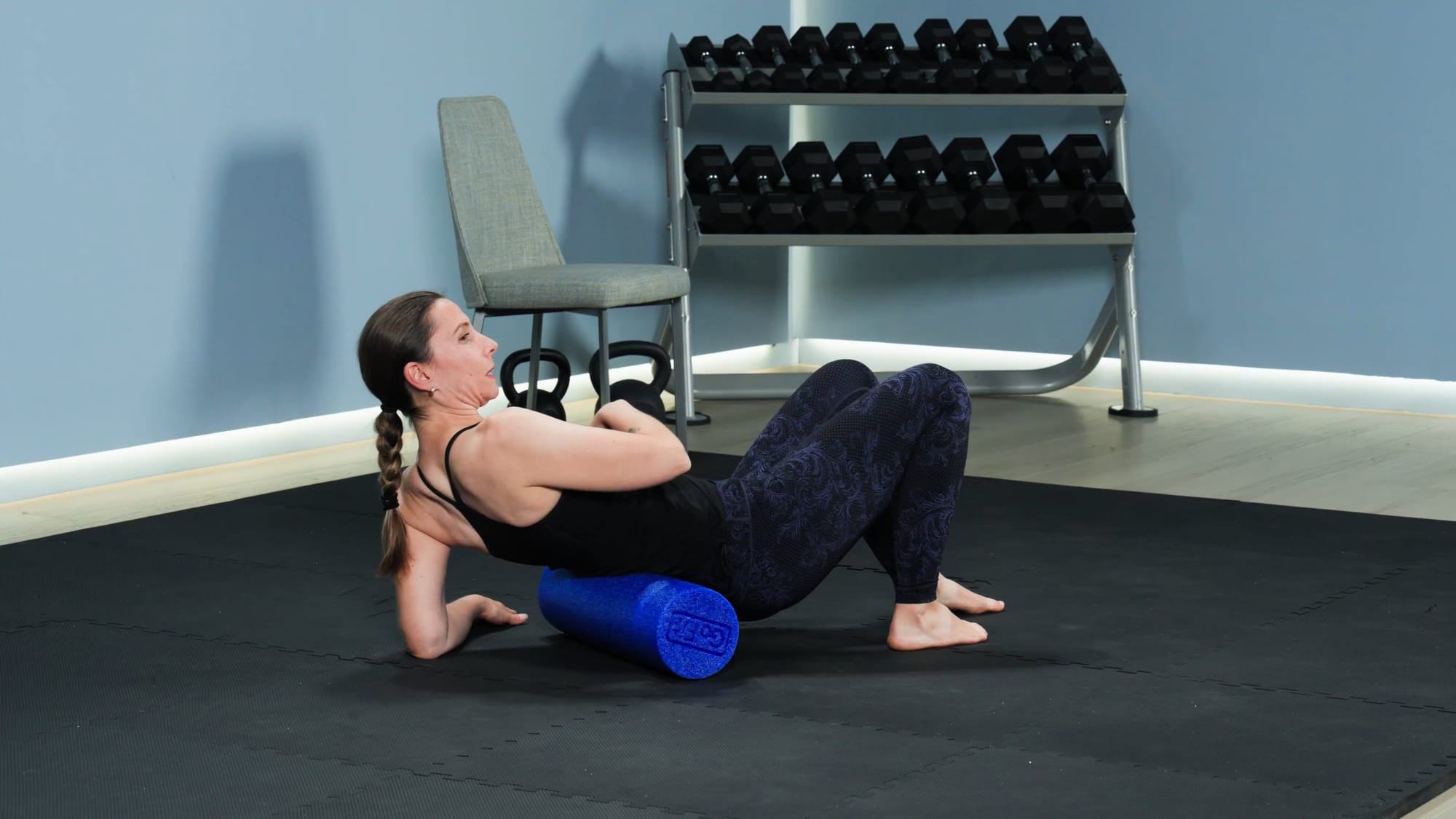
How Recovery Looks on Step.co
You’re working hard in your workouts—on Step.co you have access to high-quality classes like “No Equipment Full Body Workout”, “Mat Pilates Core Flow”, “Kickboxing for Fitness”, “Dance Fitness: Beginner Hip Hop”, and more. So how do you fold in rest and recovery smartly within that ecosystem?
Incorporate "Active Recovery" Rest Days
Rest doesn’t always mean doing nothing. Active recovery—light movement like stretching, mobility work, gentle yoga—can accelerate healing. The National Academy of Sports Medicine (NASM) recommends 6-10 minutes of light activity post workout, and active recovery as part of rest routines.
On Step.co:
- Try a “Stretch & Recovery Flow” (20-30 minutes) to flush out soreness and increase mobility.
- Include a “Yoga for Runners & Athletes” session on your rest day to stay active yet recover.
Schedule Your Training + Recovery Smartly
Here’s a simple weekly example for a balanced home workout calendar:
- Day 1: “No Equipment Full Body Workout” (Strength + cardio)
- Day 2: “Dance Cardio” (fun, high-energy)
- Day 3: Recovery Day — “Mat Pilates Core Flow” or “Stretch & Recovery Flow”
- Day 4: “Kickboxing for Fitness”
- Day 5: “Mat Pilates” or “Yoga for Flexibility & Posture”
- Day 6: Recovery Day — gentle movement or mobility
- Day 7: Choose your favourite class or take full rest, depending on how you feel
By alternating hard days and recovery days you respect your body’s need for repair — and you’ll likely see better gains, fewer injuries, and more consistency over time.
The Psychological Side of Rest
It’s not just your muscles that benefit. Your mind does too. Rest days give you a mental break, reduce training fatigue, preserve motivation and help you avoid exercise burnout. As Step.co’s community-driven model reminds us: consistency counts more than intensity every single day.
And when you feel recovered, you’ll show up excited for your next session instead of going through the motions.
Ready for Smarter Progress?
If you’re using Step.co and grinding through workouts, now is the time to make recovery your secret weapon.
- On your recovery days: Choose mobility/stretch classes in Step.co’s catalogue, or sign up for a guided rest-day flow.
- On your workout days: Use your full-effort classes knowing your rest days are part of the system—not afterthoughts.
- Track how you feel: Are you more energized? Are your muscles less sore? Is your performance improving? That’s progress.
- Remember: Gains happen in rest. The day you don’t move as hard may be just as important as the day you kill it.
Let your body heal, then move again. With Step.co, you’re not just training harder—you’re training smarter.
Join for free today!
Read More

How Can Women Over 40 Lose Visceral Fat?
Women over 40 can reduce visceral fat through a combination of regular aerobic movement such as brisk walking, strength training, healthy nutrition, adequate recovery, and a routine they can maintain consistently. You cannot target visceral fat with abdominal exercises alone, and there is no special heart-rate zone that selectively melts belly fat. The strongest evidence supports reducing overall body fat while preserving muscle and staying physically active across the week. For women entering
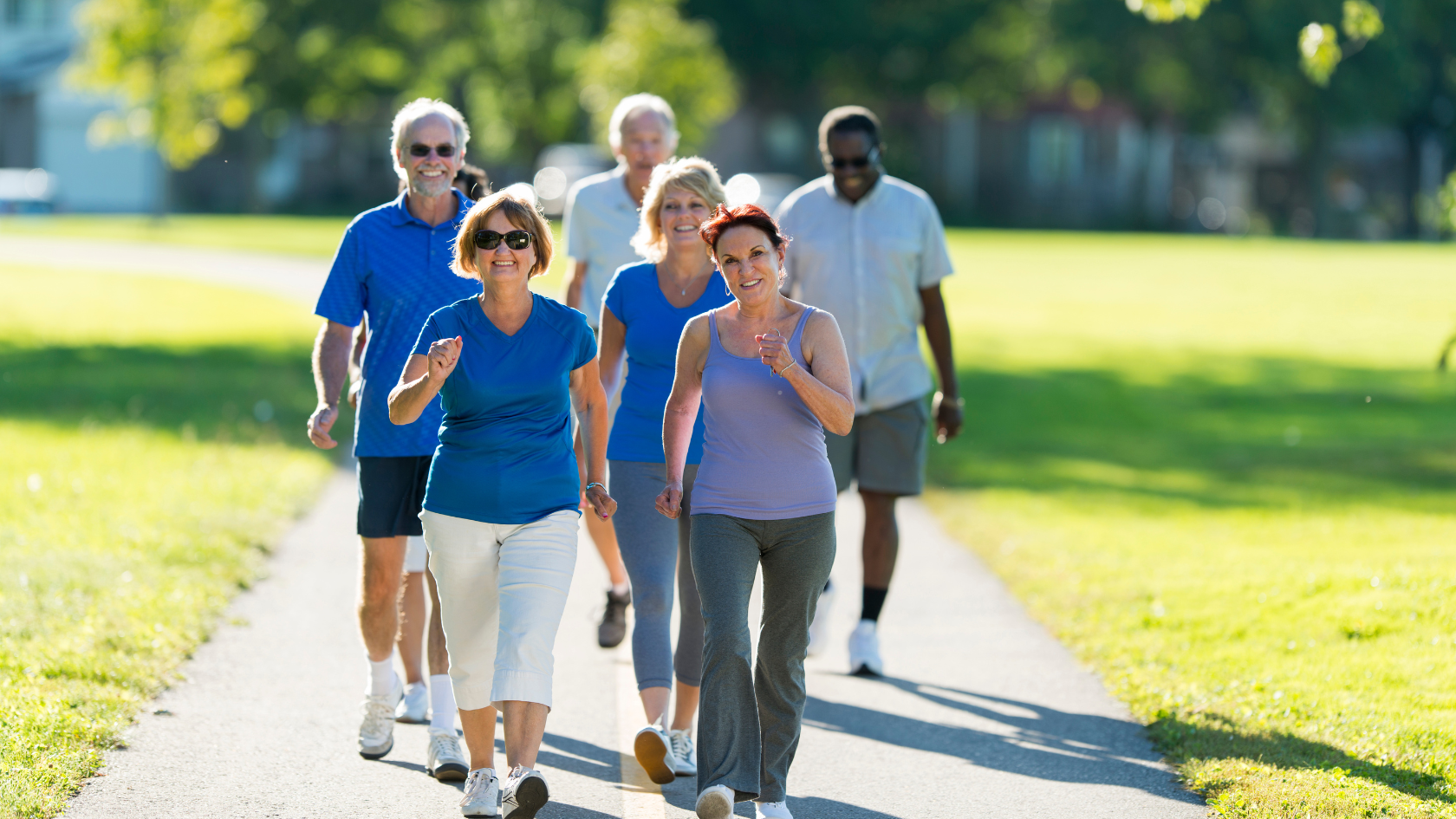
Is Walking a Good Workout for Busy Adults Over 40?
Yes, walking is one of the best workout choices for busy adults over 40 because it is low-impact, easy to repeat, and strongly linked to better heart health, longevity, mood, and daily energy. For people who do not have time for long gym sessions, walking offers a realistic way to build a healthier lifestyle. The challenge is not whether walking works. The challenge is staying consistent. This is where Step.co’s Walk and Talk feature makes walking more useful, more accountable, and more social.
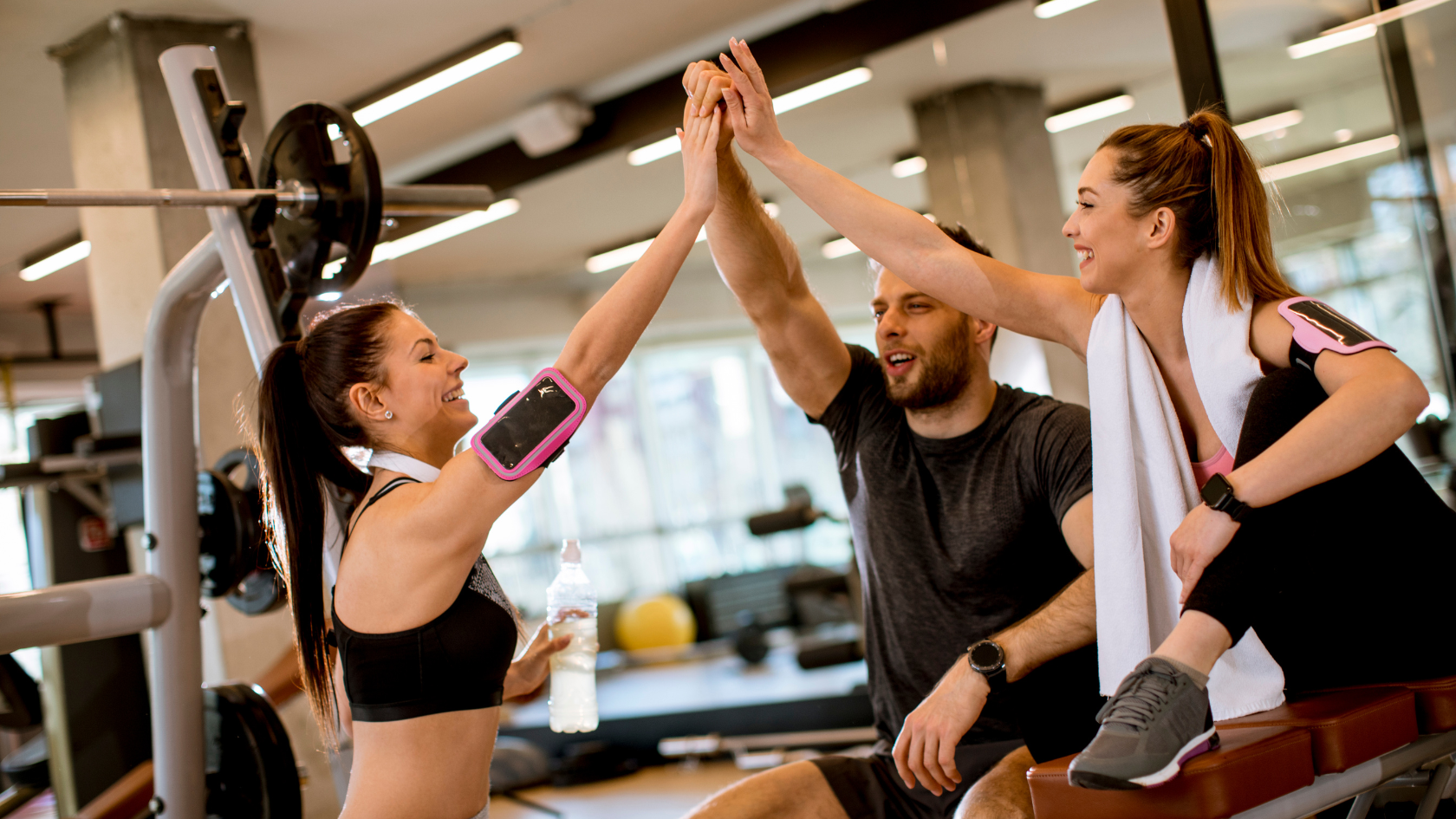
What Is Social Fitness and Why Does It Help You Stay Consistent?
Social fitness means using connection, accountability, and shared movement to make exercise easier to repeat. Research shows that people are more likely to stay active when they feel supported by others, whether that support comes from friends, family, coaches, or a live class community. For many people, social fitness works because it turns exercise from a private task into a shared routine. This is why Step.co is bringing social movement into the app through features like Workout Together and