

The Hidden Benefits of Movement: How Exercise Improves Focus, Mood, and Sleep
Staying active isn’t just about building muscle or losing weight. When you move your body regularly, you unlock powerful benefits for your brain, your emotions, and your sleep. For many people using home-workout platforms like Step.co, the “bonus gains” of focus, mood, and rest can be just as important as the physical changes.
This article explores how movement supports sharper thinking, elevated mood, and deeper sleep, and how to use Step.co’s classes to access those benefits.
Movement and Focus: Sharper Mind, Better Work
How movement impacts cognitive performance
Research shows that physical activity boosts brain health in a number of meaningful ways. For example, a review from the Harvard T.H. Chan School of Public Health highlights that regular exercise is associated with increased brain volume in regions responsible for memory and thinking skills.
Another study found that physical activity improves cognition by enhancing sleep quality, meaning movement supports both brain and rest systems.
Why it matters for everyday life
Whether you’re working from home, managing family responsibilities, or just juggling a busy schedule, improved focus means:
- Making decisions more clearly
- Staying productive longer
- Avoiding mental fatigue
When you feel physically primed, your brain follows.
How Step.co supports better focus
- Choose a class like Total Body Reset Flow: Dynamic Mobility, Core & Endurance when you have limited time, so you get movement without setup barriers.
- Insert a short Progressive Low Impact Cardio on a rest or low-impact day. Strengthening the core improves posture, reduces distraction from discomfort, and supports mental clarity.
- Use the “cool-down” minutes at the end of each workout to transition mentally: an often-overlooked moment for brain focus.
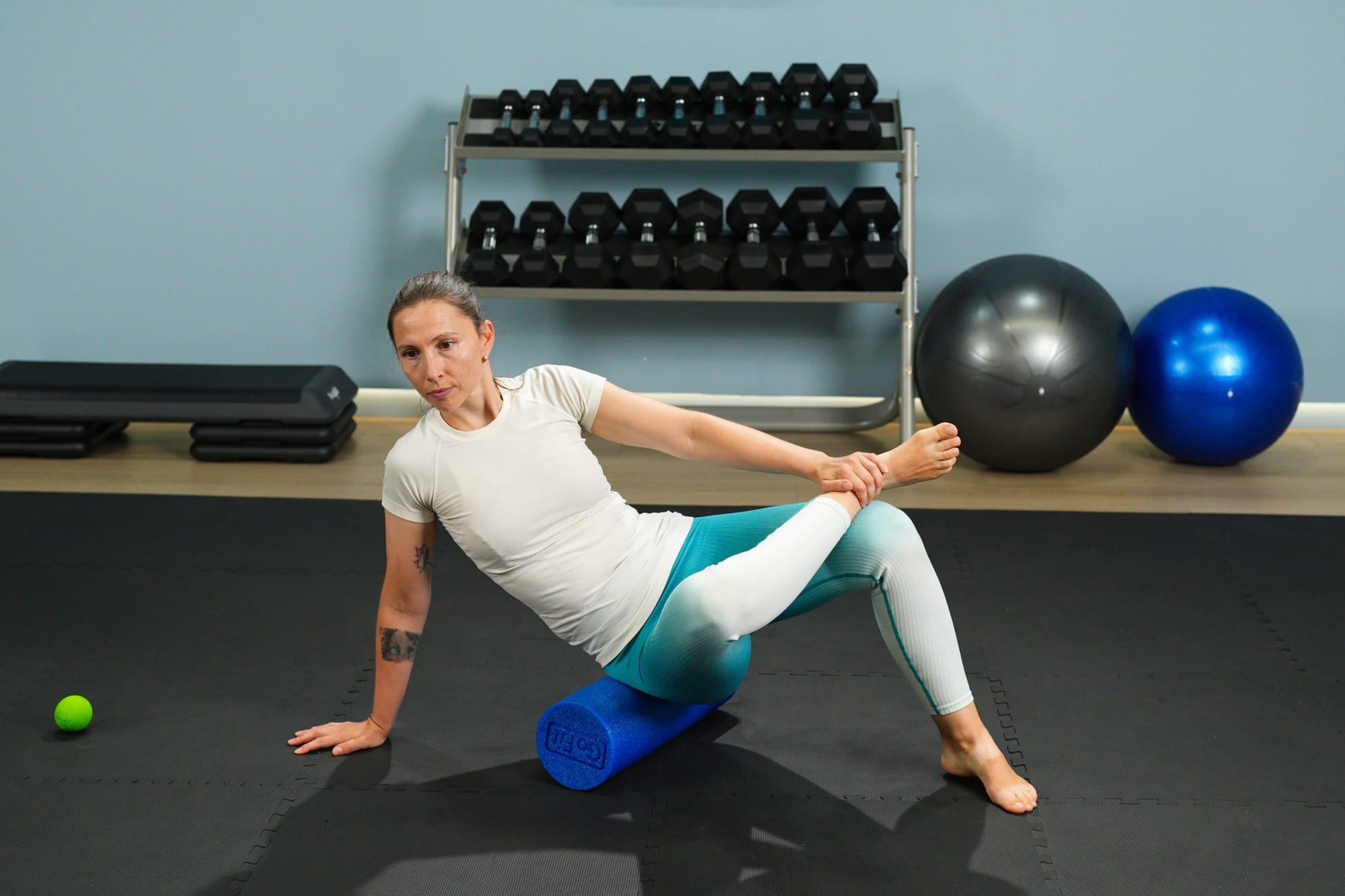
Movement and Mood: More Than “Just Exercise”
What the evidence shows
Physical activity has strong links to improved mood, reduced stress, and better emotional balance. For example, the Mayo Clinic reports that even a few sessions of exercise each week can raise self-confidence, help you relax, and lower symptoms of anxiety and mild depression.
A systematic review published in 2024 found multiple mediators (such as self-esteem, body image, social connection) that explain why physical activity supports mental health.
Why this is meaningful
When you move regularly, mood improvement isn’t just a fleeting “feel-good” moment. It builds into:
- More stable emotional energy throughout the day
- Less irritability and better stress resilience
- Higher likelihood of staying consistent with your routine
For anyone using Step.co, better mood means you’re more likely to stick with the program and feel good while you do it.
How Step.co classes promote better mood
- Choose dance-based classes like Beginner Hip Hop to combine movement with music and rhythm — this engages endorphins and dopamine, key mood-boosting chemicals.
- Use restorative flows like Stretch & Recovery Flow or Yoga for Runners and Athletes on rest days — these calm the nervous system and contribute to emotional balance.
- Join live or community challenge formats that give you connection and a sense of belonging, which is a powerful mood enhancer.
Movement and Sleep: The Under-Celebrated Link
What the research reveals
Sleep is one of the strongest hidden benefits of regular movement. A systematic review found that adults who exercised achieved better sleep quality, reduced time to fall asleep, and fewer awakenings during the night.
A 2025 narrative review in npj Biological Timing & Sleep confirmed that exercise positively affects sleep quality and may help reduce symptoms of sleep disorders — although variables like timing, intensity, and individual factors matter.
Why sleep improvement matters
Better sleep leads to:
- Higher energy the next day
- Improved mood and emotional regulation
- Enhanced cognitive performance (since memory consolidation happens during sleep)
- Reduced risk of chronic conditions related to poor sleep
How to use Step.co to enhance sleep through movement
- Aim for moderate activity rather than ultra-vigorous sessions late in the evening — intense workouts close to bedtime may interfere with sleep.
- Use a class like Stretch & Recovery Flow or Yoga for Runners and Athletes in the evening to lower arousal, promote relaxation and improve sleep onset.
- Leverage mobility or gentle movement sessions on rest days — it’s not just about no movement, it’s about smart movement that supports recovery and sleep.
Putting It All Together: A Smart Movement Routine
Here is a simple weekly structure you can follow on Step.co to tap into the full spectrum of benefits for focus, mood, and sleep:
- Day 1: Strength or full body workout (e.g., No Equipment Full Body Workout)
- Day 2: Cardio or dance workout
- Day 3: Recovery/mobility session (e.g., Stretch & Recovery Flow)
- Day 4: Core-focused or Pilates session (e.g., Mat Pilates Core Flow)
- Day 5: Mixed or martial arts-inspired class (e.g., Kickboxing for Fitness)
- Day 6: Gentle movement or yoga session (evening slot preferred)
- Day 7: Rest or very light activity (perhaps a short walk or light stretch)
By alternating higher intensity with recovery and mobility, you support your body and mind—and you give yourself the time and space to enjoy better focus, mood and sleep.
Why These Benefits Matter for Long-Term Habit Formation
- Improved focus means you’re more productive, which builds a positive feedback loop: you train, you feel sharper, you accomplish more, you feel good.
- Better mood means you are more likely to turn up for your workout, which strengthens consistency—consistency is the key to long-term success.
- Better sleep means you recover faster, you train better the next day, and you avoid burnout—this protects your consistency over months and years.
In other words, these hidden benefits are not optional extras. They are foundational to making fitness something you keep doing, not something you start and stop.
Final Thoughts
Movement is powerful in more ways than most people realize. When you use classes on Step.co not just for workouts, but as a pathway to sharper focus, elevated mood, and deeper sleep, you gain more than “just fitness.”
You gain mental clarity, emotional resilience, and better rest, which in turn help you train better, live better, and feel better every day.
If you want support in selecting the right class or structuring your week to maximise these benefits, Step.co has the tools and variety to make it work for you.
Read More

How Can Women Over 40 Lose Visceral Fat?
Women over 40 can reduce visceral fat through a combination of regular aerobic movement such as brisk walking, strength training, healthy nutrition, adequate recovery, and a routine they can maintain consistently. You cannot target visceral fat with abdominal exercises alone, and there is no special heart-rate zone that selectively melts belly fat. The strongest evidence supports reducing overall body fat while preserving muscle and staying physically active across the week. For women entering

Is Walking a Good Workout for Busy Adults Over 40?
Yes, walking is one of the best workout choices for busy adults over 40 because it is low-impact, easy to repeat, and strongly linked to better heart health, longevity, mood, and daily energy. For people who do not have time for long gym sessions, walking offers a realistic way to build a healthier lifestyle. The challenge is not whether walking works. The challenge is staying consistent. This is where Step.co’s Walk and Talk feature makes walking more useful, more accountable, and more social.
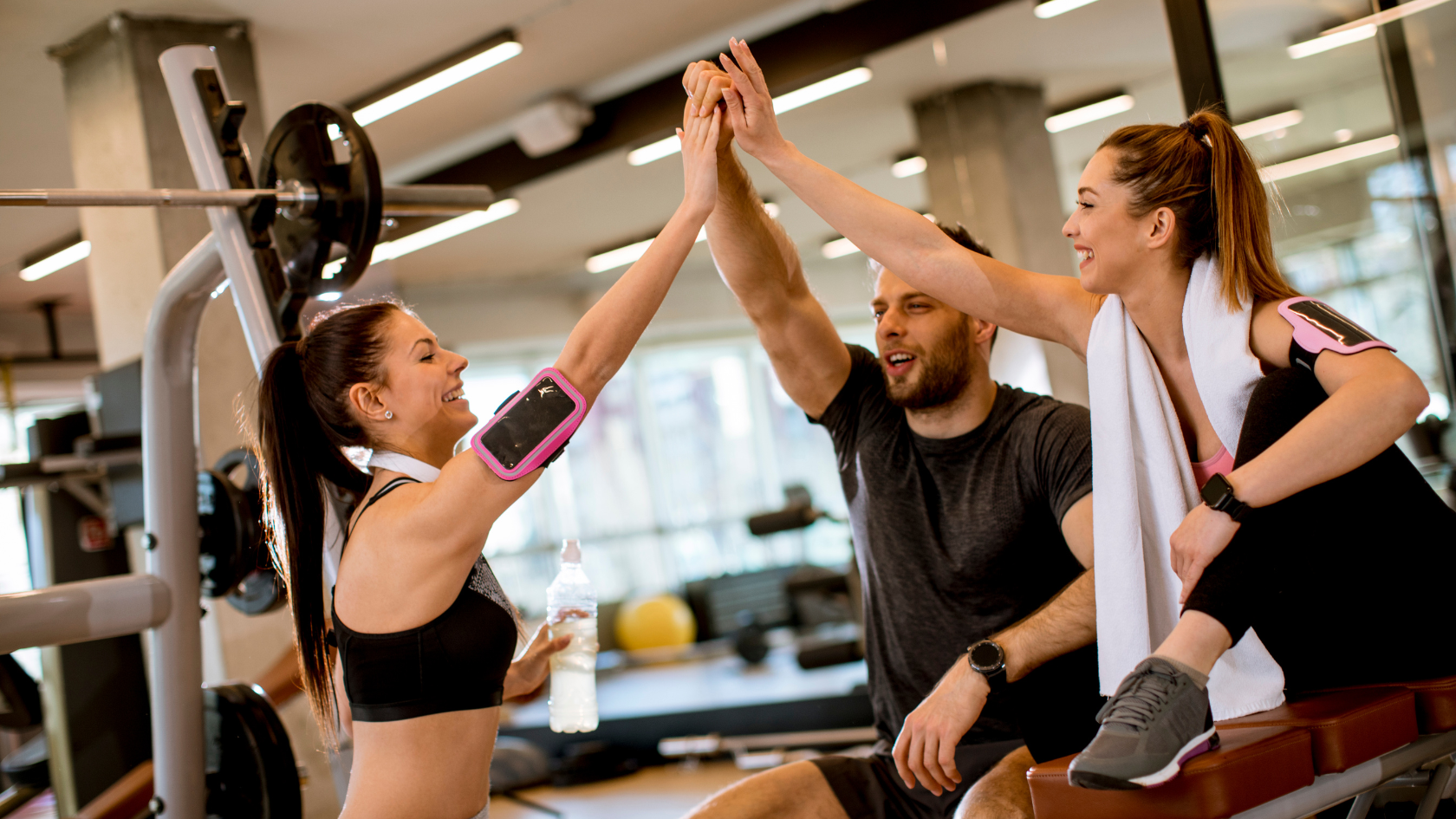
What Is Social Fitness and Why Does It Help You Stay Consistent?
Social fitness means using connection, accountability, and shared movement to make exercise easier to repeat. Research shows that people are more likely to stay active when they feel supported by others, whether that support comes from friends, family, coaches, or a live class community. For many people, social fitness works because it turns exercise from a private task into a shared routine. This is why Step.co is bringing social movement into the app through features like Workout Together and