
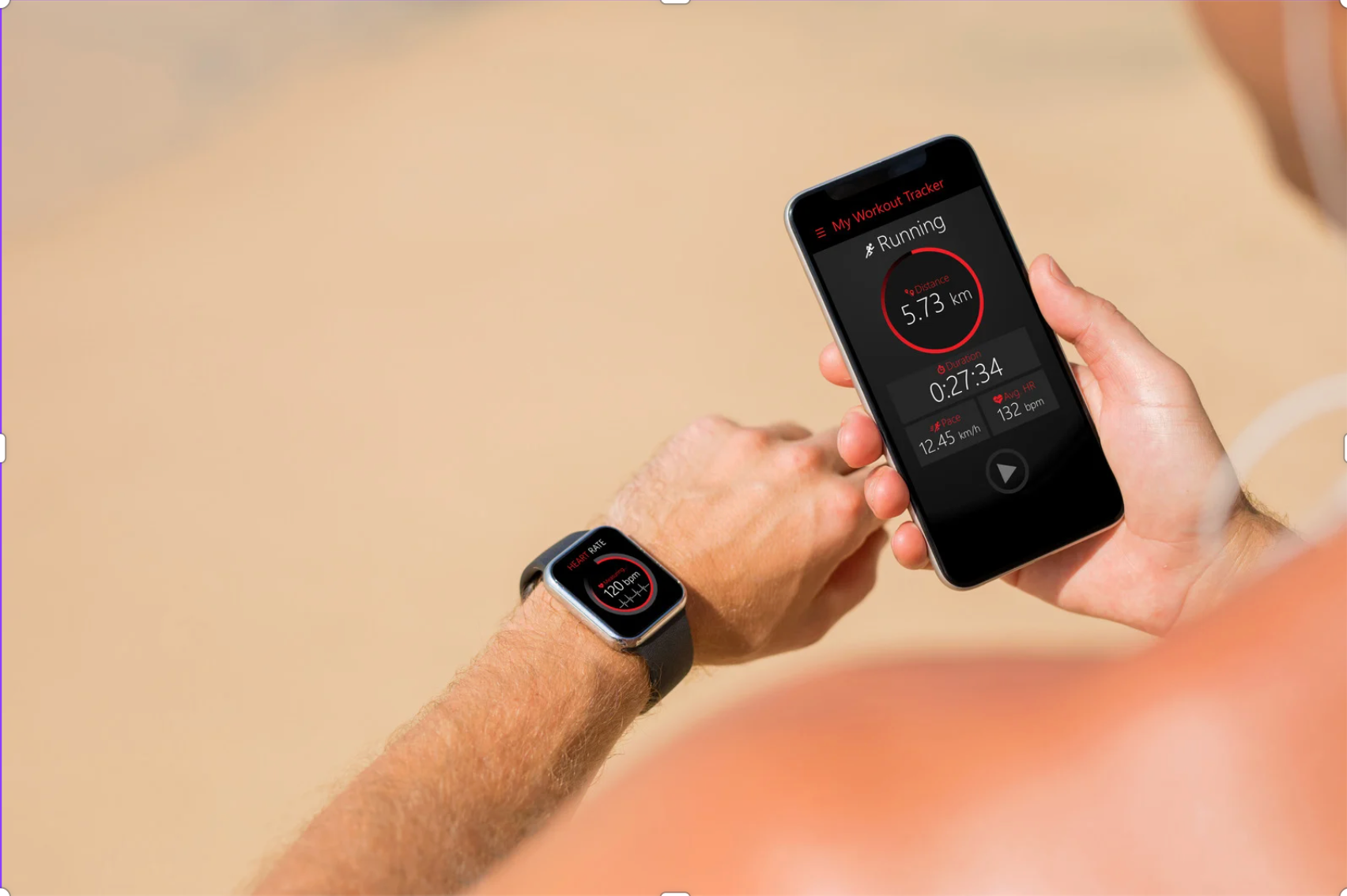
The Science of Smart Training: Why Doing More Is Not Always Better
Modern fitness culture often celebrates extremes. More workouts. More intensity. More sweat. But research and experience both show that doing more is not always better. In many cases, it is the fastest path to injury, burnout, or stalled progress.
Smart training focuses on quality, balance, and recovery rather than sheer volume.
Understanding Training Load
Training load refers to the total stress placed on the body over time. This includes workout intensity, frequency, duration, and recovery.
When training load exceeds the body’s ability to recover, performance declines. Common signs include persistent soreness, poor sleep, irritability, declining motivation, and increased injury risk.
On the other hand, training too little can also stall progress. The goal is balance.
Why Recovery Is a Performance Tool
Recovery is not passive. It is an active process where muscles repair, connective tissue strengthens, and the nervous system recalibrates.
Studies consistently show that adequate recovery improves strength gains, endurance, and overall performance. Recovery-focused movement such as stretching, yoga, and Pilates improves joint health, circulation, and long-term resilience.
Ignoring recovery is one of the most common reasons people stop exercising altogether.
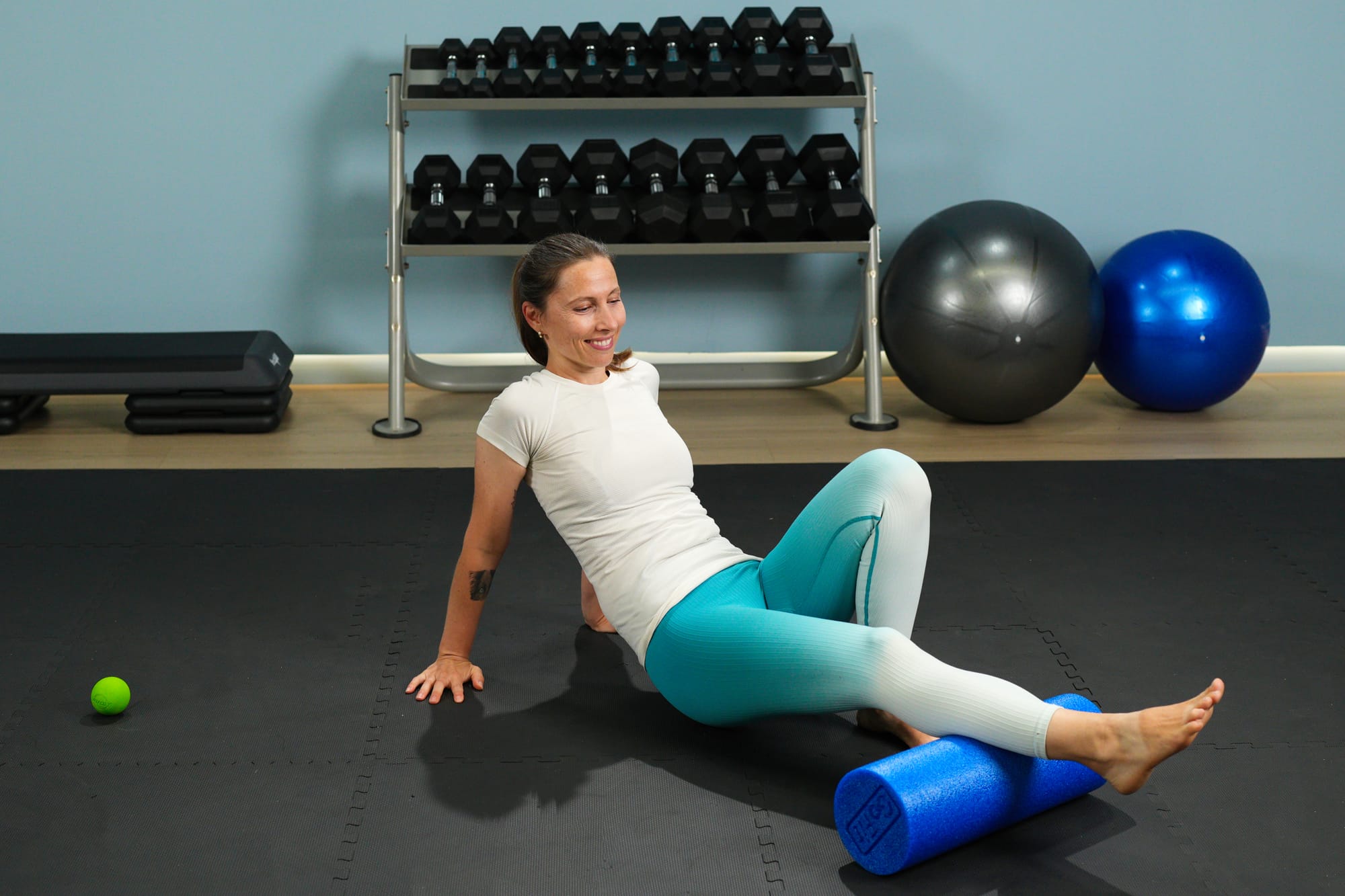
The Role of Mobility in Smart Training
Mobility is often misunderstood as optional or secondary. In reality, mobility is foundational.
Good mobility allows strength and cardio training to be performed safely and efficiently. It improves posture, movement quality, and confidence in daily activities.
For many people, especially those over 35, improving mobility is the key to staying active without pain.
How Step.co Supports Smarter Training
Step.co offers a full spectrum of movement options so users can train with intention instead of habit.
Strength sessions build resilience.
Cardio sessions improve stamina and metabolic health.
Mobility and recovery classes protect joints and improve movement quality.
Classes such as Stretch and Recovery Flow, Mat Pilates, and yoga sessions are not rest in the traditional sense. They are strategic components of smart training.
By rotating between different movement styles, users can reduce overuse injuries and maintain progress over time.
Smarter Training Leads to Better Results
Fitness is not about doing the most. It is about doing what your body needs next.
When training load, recovery, and mobility are respected, people feel better, move better, and stay active longer. That is the foundation of sustainable health.
Read More

How Can Women Over 40 Lose Visceral Fat?
Women over 40 can reduce visceral fat through a combination of regular aerobic movement such as brisk walking, strength training, healthy nutrition, adequate recovery, and a routine they can maintain consistently. You cannot target visceral fat with abdominal exercises alone, and there is no special heart-rate zone that selectively melts belly fat. The strongest evidence supports reducing overall body fat while preserving muscle and staying physically active across the week. For women entering

Is Walking a Good Workout for Busy Adults Over 40?
Yes, walking is one of the best workout choices for busy adults over 40 because it is low-impact, easy to repeat, and strongly linked to better heart health, longevity, mood, and daily energy. For people who do not have time for long gym sessions, walking offers a realistic way to build a healthier lifestyle. The challenge is not whether walking works. The challenge is staying consistent. This is where Step.co’s Walk and Talk feature makes walking more useful, more accountable, and more social.

What Is Social Fitness and Why Does It Help You Stay Consistent?
Social fitness means using connection, accountability, and shared movement to make exercise easier to repeat. Research shows that people are more likely to stay active when they feel supported by others, whether that support comes from friends, family, coaches, or a live class community. For many people, social fitness works because it turns exercise from a private task into a shared routine. This is why Step.co is bringing social movement into the app through features like Workout Together and