
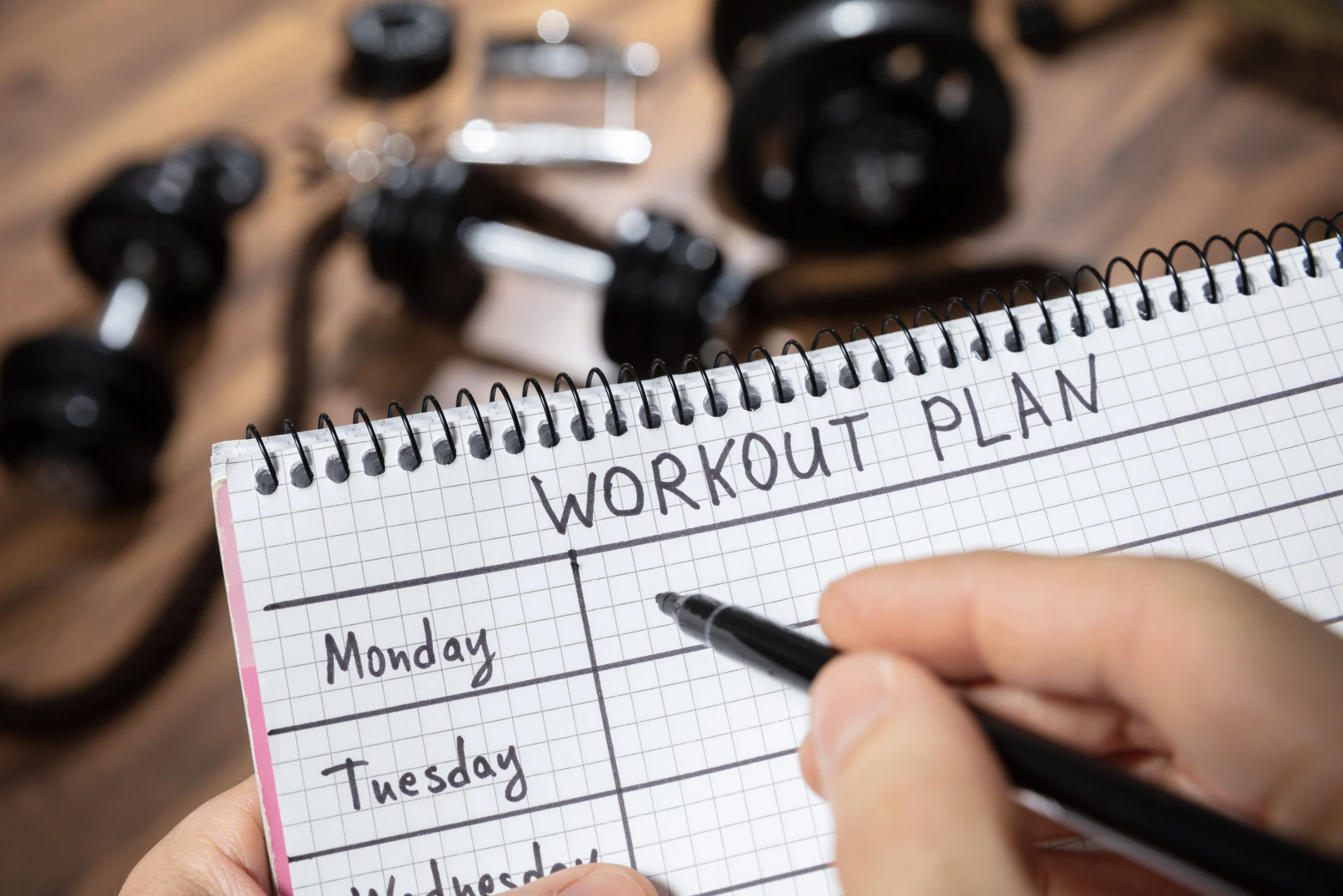
Why Most Workout Plans Fail and What Your Body Actually Needs Instead
If workout plans worked as well as they promised, most people would already be fit, pain-free, and consistent. Yet the majority of people abandon their programs within weeks. The problem is not discipline or motivation. The problem is the plan itself.
Most workout plans fail because they treat every body the same. They assume that intensity equals progress and that consistency means repeating the same routine regardless of sleep, stress, recovery, or age. In reality, the human body does not work that way.
A healthy fitness routine needs to respond to how your body feels and functions, not force you to push through every day.
The Real Reasons Workout Plans Fail
They ignore recovery and fatigue
Most plans focus on what to do next, not whether your body is ready for it. Poor sleep, work stress, hormonal changes, and soreness all affect performance and injury risk. Ignoring these factors leads to burnout or setbacks.
They overload one type of training
Many programs overemphasize cardio or high-intensity workouts while neglecting strength and mobility. Over time, this imbalance leads to joint pain, stiffness, plateaus, or fatigue.
They create decision fatigue
Ironically, too many choices can stop progress. When people do not know which workout is right for today, they often do nothing at all. This is especially common for busy professionals and people restarting fitness.
They confuse intensity with effectiveness
Harder is not always better. Sustainable fitness depends on applying the right amount of stress at the right time, followed by proper recovery.

What Your Body Actually Needs to Succeed
The body responds best to movement that balances three essential elements.
Strength builds muscle, supports joints, preserves bone density, and improves metabolic health.
Cardio improves heart health, stamina, circulation, and energy.
Mobility keeps joints moving well, reduces stiffness, and supports longevity.
When these elements are trained in balance and adjusted week by week, progress becomes smoother and more sustainable.
How Step.co Helps Without Overcomplicating Fitness
Step.co gives users access to a wide range of classes so movement can match the body’s needs instead of following rigid rules.
On days when energy is high, strength-focused options like No Equipment Full Body Workout or kickboxing classes help build power and confidence.
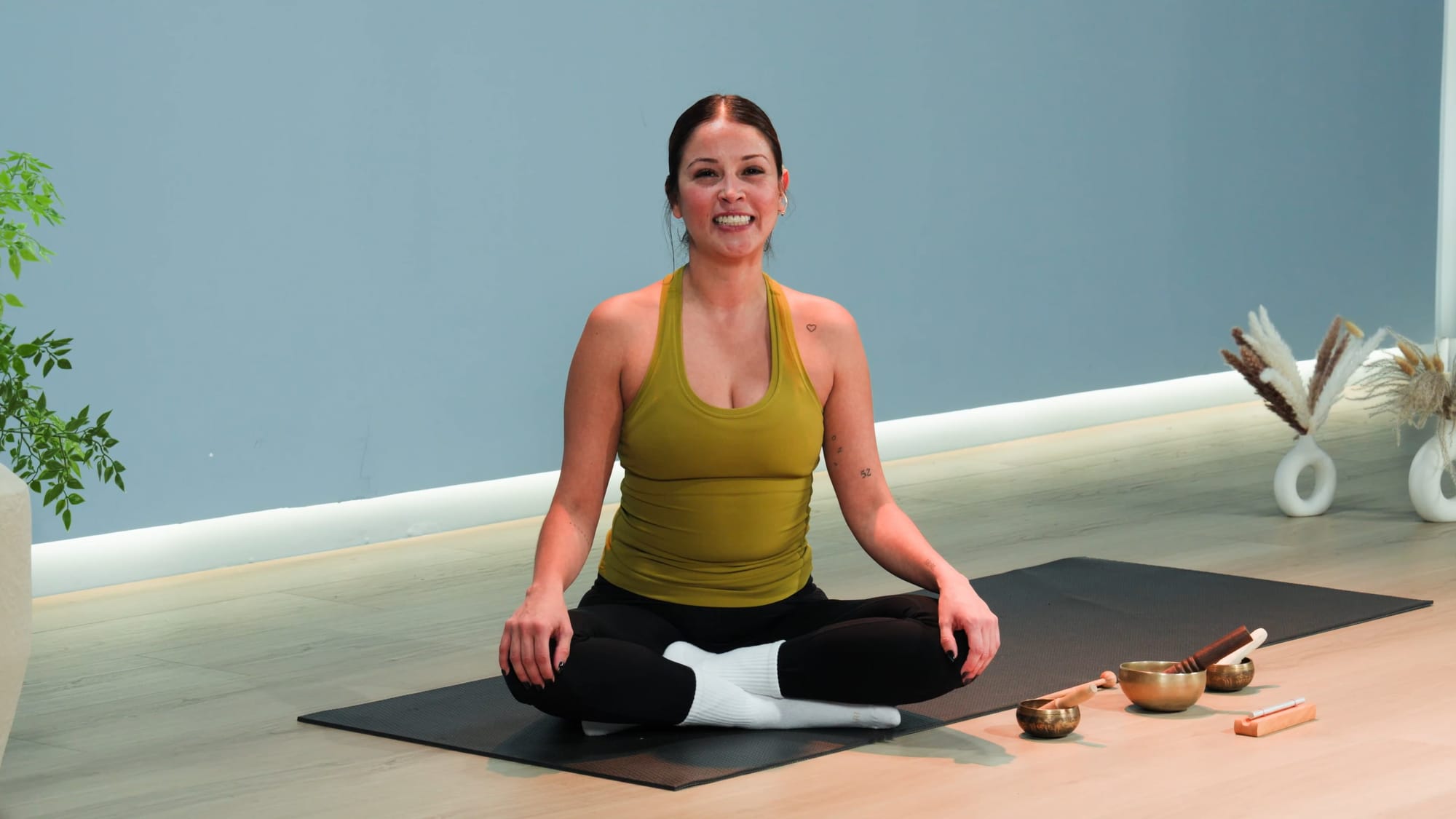
On days when the body feels tight or fatigued, Mat Pilates Core Flow, Yoga for Runners and Athletes, or Stretch and Recovery Flow support alignment, mobility, and nervous system regulation.
When time is limited, short and focused sessions remove friction and make consistency easier.
This flexibility allows people to stay active without guilt or burnout.
Consistency Comes From Adaptation, Not Pressure
The most effective workout plan is not the most intense one. It is the one that adapts to real life.
When fitness meets the body where it is, people move more often, recover better, and stay consistent long term. That is how results actually happen.
Find the movement suits you the most!
Read More

How Can Women Over 40 Lose Visceral Fat?
Women over 40 can reduce visceral fat through a combination of regular aerobic movement such as brisk walking, strength training, healthy nutrition, adequate recovery, and a routine they can maintain consistently. You cannot target visceral fat with abdominal exercises alone, and there is no special heart-rate zone that selectively melts belly fat. The strongest evidence supports reducing overall body fat while preserving muscle and staying physically active across the week. For women entering

Is Walking a Good Workout for Busy Adults Over 40?
Yes, walking is one of the best workout choices for busy adults over 40 because it is low-impact, easy to repeat, and strongly linked to better heart health, longevity, mood, and daily energy. For people who do not have time for long gym sessions, walking offers a realistic way to build a healthier lifestyle. The challenge is not whether walking works. The challenge is staying consistent. This is where Step.co’s Walk and Talk feature makes walking more useful, more accountable, and more social.

What Is Social Fitness and Why Does It Help You Stay Consistent?
Social fitness means using connection, accountability, and shared movement to make exercise easier to repeat. Research shows that people are more likely to stay active when they feel supported by others, whether that support comes from friends, family, coaches, or a live class community. For many people, social fitness works because it turns exercise from a private task into a shared routine. This is why Step.co is bringing social movement into the app through features like Workout Together and