

How Should You Exercise in Perimenopause?
You don't need a brand new workout plan in perimenopause. A simple approach is to keep the same three parts of a good week and change the mix: more Strength, steady Cardio you can talk through, a few minutes of Flexibility most days, and more room to adjust on hard days. This guide shows what to change, a sample week, and how to handle days when sleep or energy is off.
A quick note first. This post is general information, not medical advice. If your symptoms are new, heavy or worrying, talk to your doctor before you change how you exercise.
What Changes in Perimenopause?
The NHS says menopause usually affects women between 45 and 55, and it can start earlier. Perimenopause is the time before your periods stop. The years leading up to it can bring changes you notice in daily life.
You might notice some of these. Sleep gets lighter. Energy goes up and down from week to week. Joints feel stiffer in the morning. A workout that felt easy last year now leaves you wiped out.
None of this means you should stop. It means the plan needs more give.
What to Change: Do More Strength
If you change one thing, make it Strength. The NHS menopause page suggests regular exercise with a focus on weight-bearing and resistance work, and says this can help protect against weakening bones.
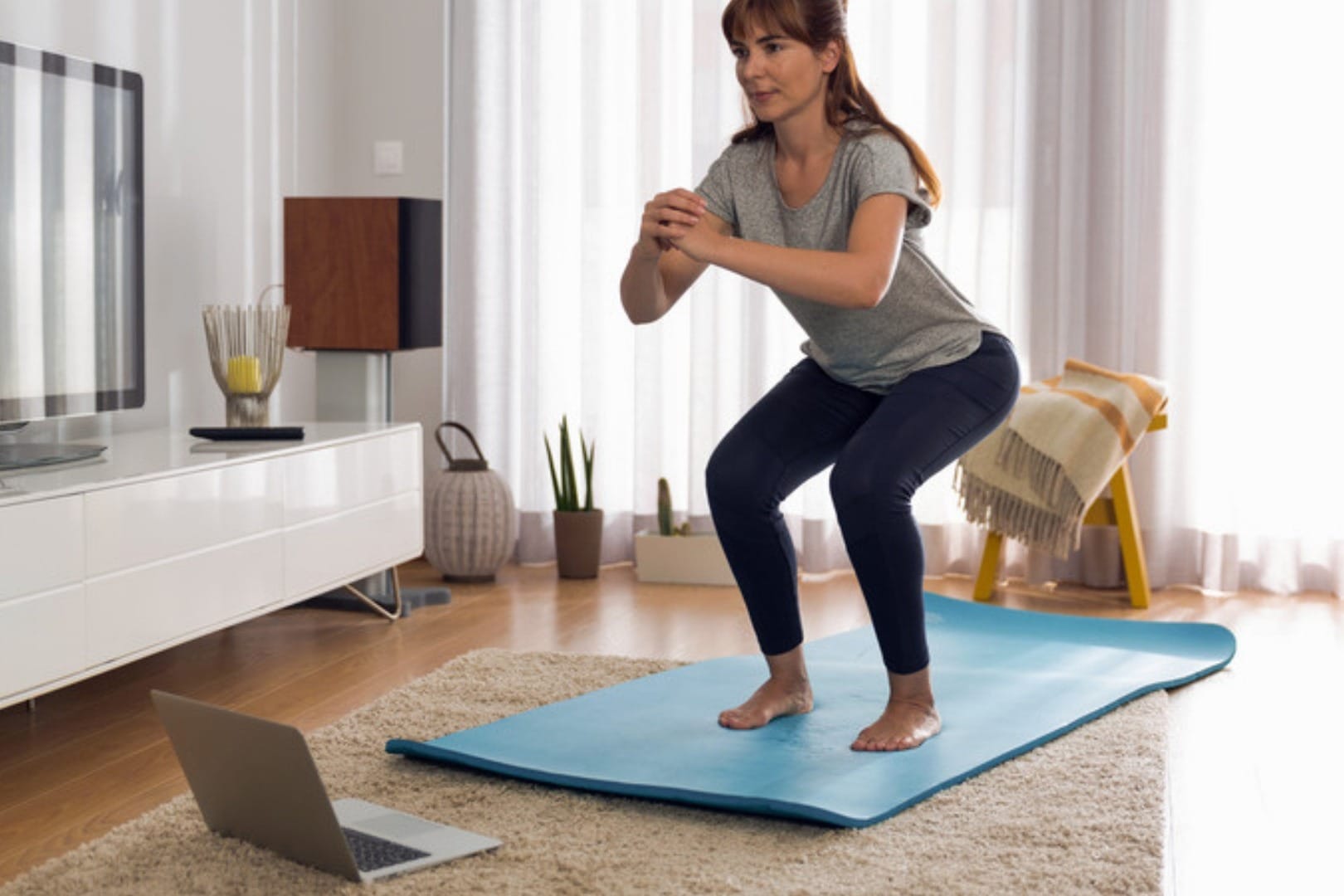
You don't need heavy weights or a gym. Two or three short sessions a week are a good start. Chair squats, wall push-ups, calf raises and light dumbbell or water bottle curls all count. Go slowly and stop a move if it hurts.
The NHS adult guidelines suggest strength activities that work all the major muscle groups on at least 2 days a week. That is a clear, simple target to aim for. You don't need high-intensity sessions. Our post on strength training over 40 without high-intensity workouts covers that in more detail.
2 to 3
short Strength sessions a week
150 min
of moderate Cardio a week
5 to 10
minutes of Flexibility on most days
Sources: NHS activity guidelines and the NHS menopause advice
What to Change: Keep Cardio Steady
Cardio still matters. Walking, cycling, dancing and swimming all count. The NHS guidelines suggest at least 150 minutes of moderate activity a week, spread over 4 to 5 days or every day.
Moderate means your heart rate goes up and you breathe faster, but you can still talk, though not sing. A brisk 30 minute walk on 5 days a week gets you there. Our post on heart rate zones after 40 explains that talking pace in more detail.
Hard intervals are fine if you enjoy them and they leave you feeling good. If they leave you drained for two days, swap some of them for steady walks. Our post on walking as a workout for busy adults over 40 covers how to make a walk count.
What to Change: Add a Few Minutes of Flexibility
Many women like a few minutes of gentle stretching to start or end the day. The NHS also lists yoga and tai chi among the relaxing things you can try around menopause.
Five to ten minutes is enough. Try it after a walk, or before bed. Keep it gentle. You should feel a stretch, not pain. Our 10-minute Flexibility routine is an easy add-on once your muscles are warm.
A Sample Perimenopause Week
Here is one way to put it together. Swap days around to fit your life. For another way to lay out the week, see our weekly workout plan after 40.
Sample week
One week, all three targets
- Strength:2 days
- Cardio:most days
- Flexibility:most days
-
Mon
StrengthFlexibilityCardio40 to 50 min
Strength, 20 to 30 minutes, then 5 minutes of Flexibility, plus a 15 minute walk
-
Tue
Cardio30 min
Brisk walk, 30 minutes
-
Wed
Flexibility10 to 15 min
Gentle Flexibility or yoga, 10 to 15 minutes
-
Thu
StrengthFlexibilityCardio40 to 50 min
Strength, 20 to 30 minutes, then 5 minutes of Flexibility, plus a 15 minute walk
-
Fri
Cardio30 min
Brisk walk or a bike ride, 30 minutes
-
Sat
Cardioyour choice
Something you enjoy, like a dance class, a hike or a swim
-
Sun
Restrest
Rest, or an easy walk
Show the sample week as a plain table
| Day | Main focus | What to do |
|---|---|---|
| Monday | Strength and Flexibility and Cardio | Strength, 20 to 30 minutes, then 5 minutes of Flexibility, plus a 15 minute walk |
| Tuesday | Cardio | Brisk walk, 30 minutes |
| Wednesday | Flexibility | Gentle Flexibility or yoga, 10 to 15 minutes |
| Thursday | Strength and Flexibility and Cardio | Strength, 20 to 30 minutes, then 5 minutes of Flexibility, plus a 15 minute walk |
| Friday | Cardio | Brisk walk or a bike ride, 30 minutes |
| Saturday | Cardio | Something you enjoy, like a dance class, a hike or a swim |
| Sunday | Rest | Rest, or an easy walk |
That gives you 2 Strength days, Cardio on most days, and Flexibility on most days. Add to the walks if you want to reach the NHS 150 minutes a week. It also leaves space to move things around when your week changes.

How to Adjust on Hard Days
This is the part most plans miss. In perimenopause, how you feel can change a lot from one day to the next. A good plan bends instead of breaking.
After a poor night's sleep
Keep the session but make it shorter and easier. A 15 minute walk still counts.
On a low-energy day
Swap Strength for Flexibility and move the Strength day to tomorrow.
If you feel stiff
Start with 5 minutes of gentle movement and see how you feel. Our post on stiffness vs soreness can help you decide whether to work out or rest.
If you feel pain
Rest, and talk to your doctor if it keeps happening.
If you get chest pain, feel faint or dizzy, or are very short of breath, stop and get medical help right away.
The goal isn't to do more. It's to keep going, week after week, in a way your body can handle.
The goal isn't to do more. It's to keep going, week after week.
Common Mistakes to Avoid
- Doing only cardio. Cardio is good, but on its own it leaves out the Strength work the NHS points to for bones and muscles.
- Pushing through every bad day. Rest days and easy days are part of the plan, not a failure.
- Waiting until you feel better to start. Small sessions now are easier to build on than a perfect plan later.
- Copying a plan built for someone else. Your sleep, energy and schedule are your own. Your plan should fit them.
Start This Week
Try this today
Change the mix in three small steps
- Put Strength on two days this week. Chair squats, wall push-ups and calf raises are enough to begin.
- Keep Cardio at a talking pace. A brisk 30 minute walk on most days counts.
- Add 5 minutes of Flexibility. Do it after a walk, or before bed, and keep it gentle.
How Step Helps
Step is a fitness app for adults 40 and older, with live and on-demand classes in Strength, Cardio and Flexibility. You get Weekly Targets for each one, and your Movement Score shows how you're tracking. On the Start screen, it suggests a few sessions for you.
Step tells you what to do next.
Not sure what kind of class to try? Ask Coach, and it'll take you to matching classes and programs.
If you want a simple place to start, you can join for free and try a class at home today.
FAQ: Exercise in Perimenopause
Is it safe to start exercising in perimenopause?
Regular activity is recommended for most adults, including in perimenopause. Start slowly and build up. The NHS says to speak to your doctor first if you have not exercised for some time, or if you have medical conditions or concerns.
Should I stop high-intensity workouts in my 40s?
Not always. If you enjoy them and recover well, keep them. If they leave you tired for days, swap some for steady walks and add more Strength. Our post on strength training over 40 without high-intensity workouts covers that in more detail.
How many days a week should I do strength training?
The NHS guidelines suggest at least 2 days a week, working all the major muscle groups.
What if I only have 10 minutes?
Do 10 minutes. A short walk or a few chair squats still counts, and it keeps the habit going.
Final Takeaway
Perimenopause is a good time to change the mix, not to stop. Put Strength first, keep Cardio steady, add a few minutes of Flexibility, and let your plan bend on hard days. Small, steady weeks are easier to keep going.
Ready for a week that can bend?
Available on the App Store.
Available on the App Store.Read More
How Can Women Start Strength Training at Home in Their 40s?
You can start strength training at home with a chair, a little floor space, and 20 to 30 minutes, 2 or 3 days a week.
A 10-Minute Flexibility Routine You Can Do at Home
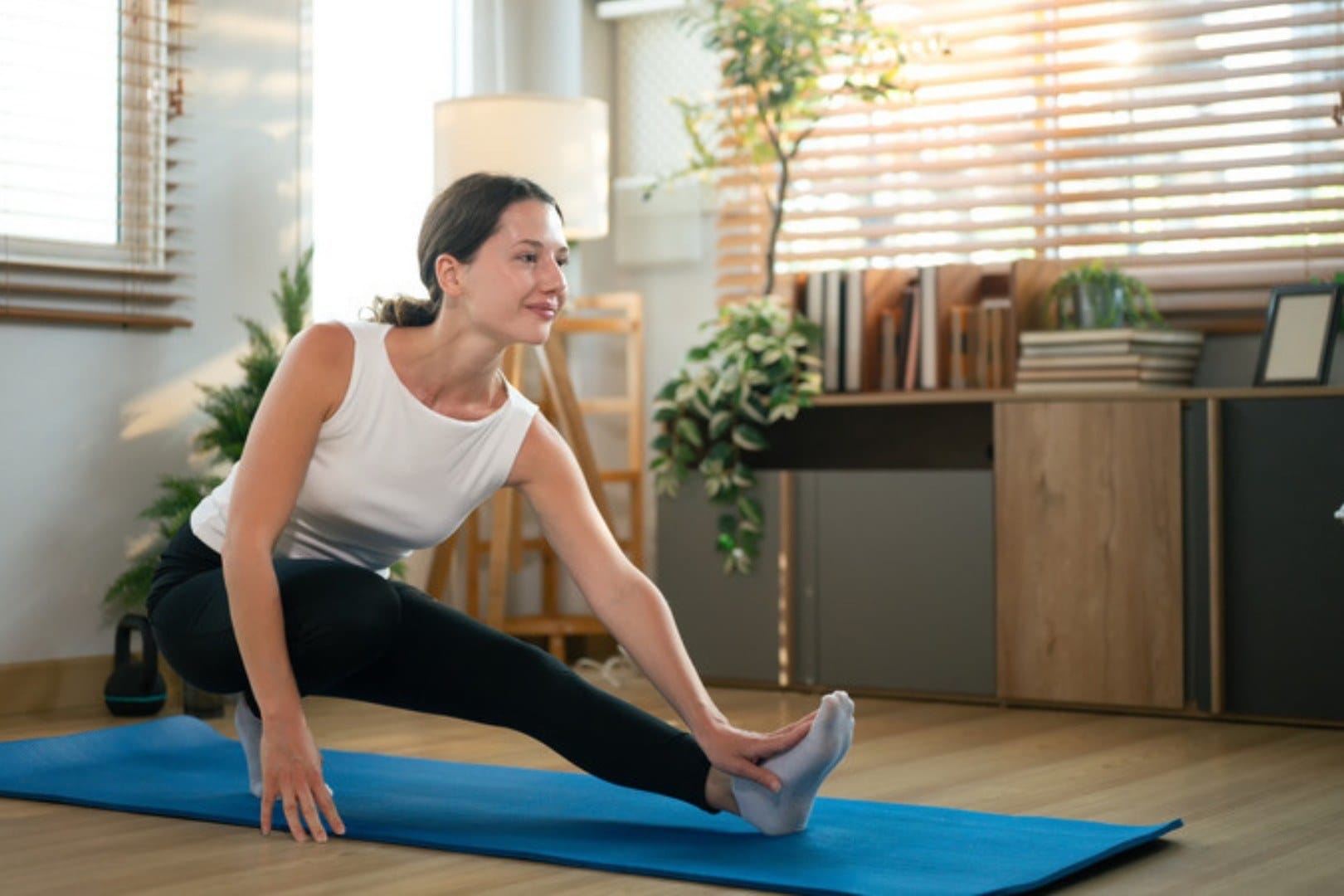
About 10 minutes of gentle stretching on most days is a good start. Here is a simple routine for adults over 40, and when to fit it in.
How Should You Plan Your Workout Week?
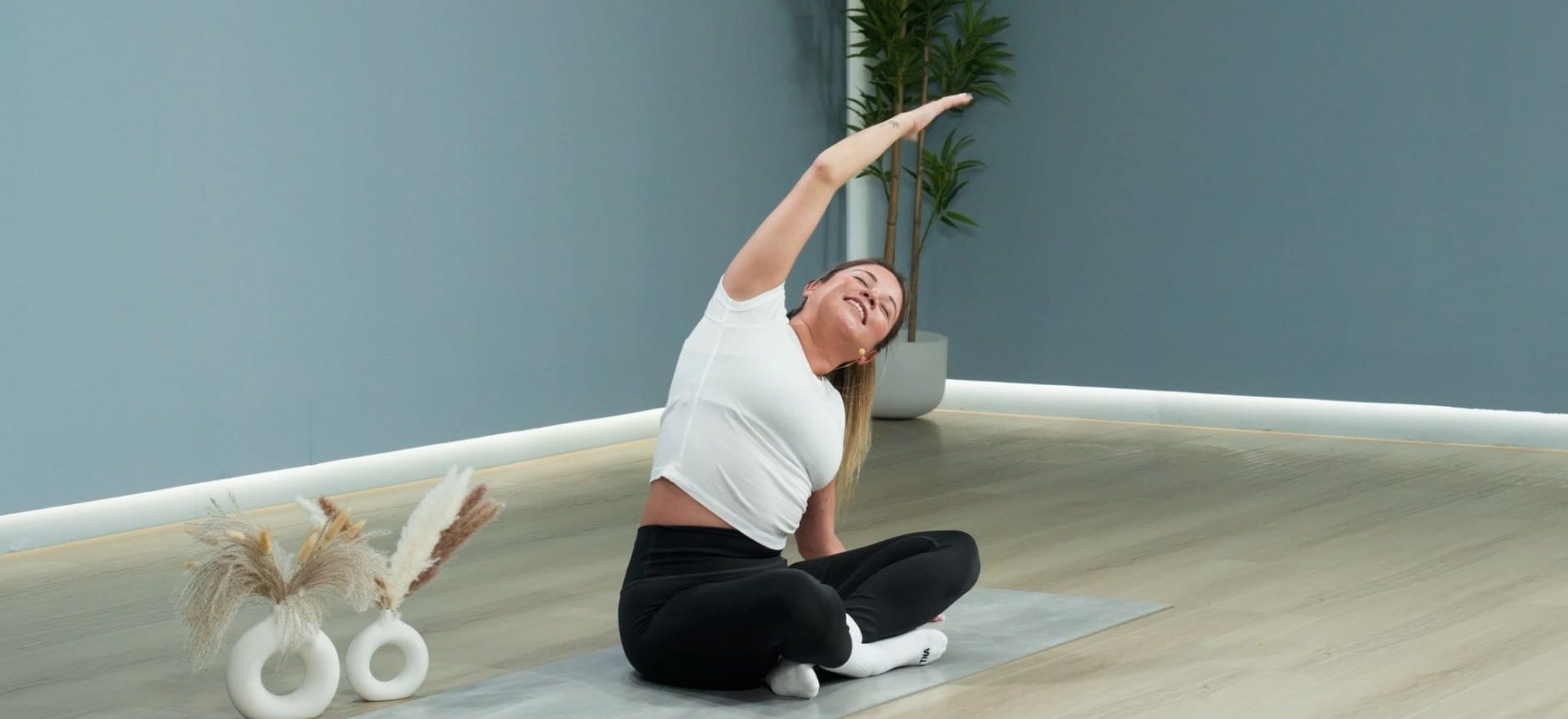
Most adults over 40 do well with Strength 2 to 3 days a week, Cardio on most days, and a little Flexibility almost every day.