
Guided Meditation vs. Meditating on Your Own: Which Is Right for You?
Meditation has become a go-to practice for stress relief, focus, and overall well-being. But one question often comes up for beginners and experienced practitioners alike: should I meditate on my own, or follow a guided session?
Both approaches offer unique benefits, and the best choice depends on your goals, experience level, and even your mood. Let’s break down the key differences between guided meditation and solo practice, and why combining both can help you build a more consistent routine.
What Is Guided Meditation?
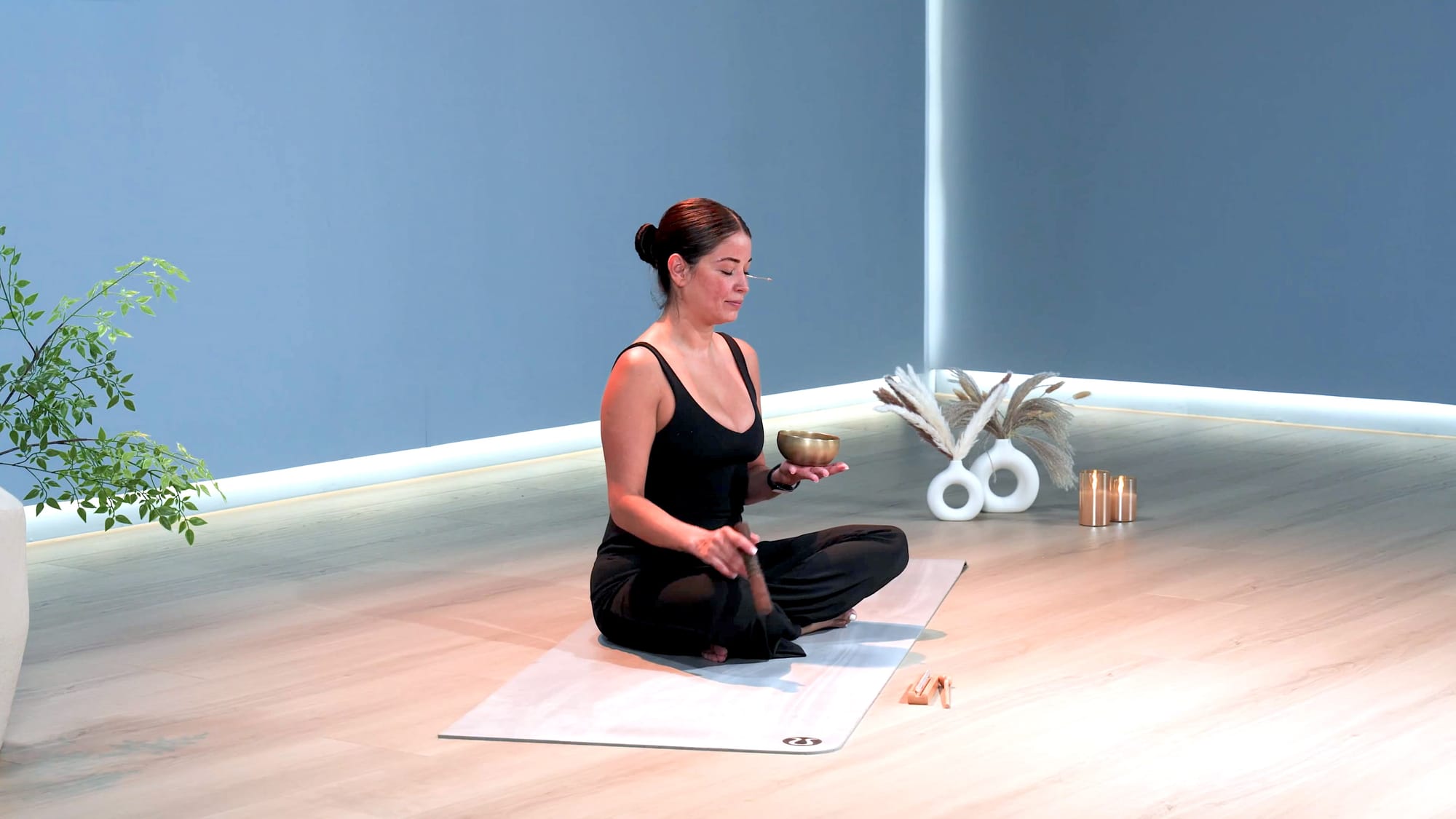
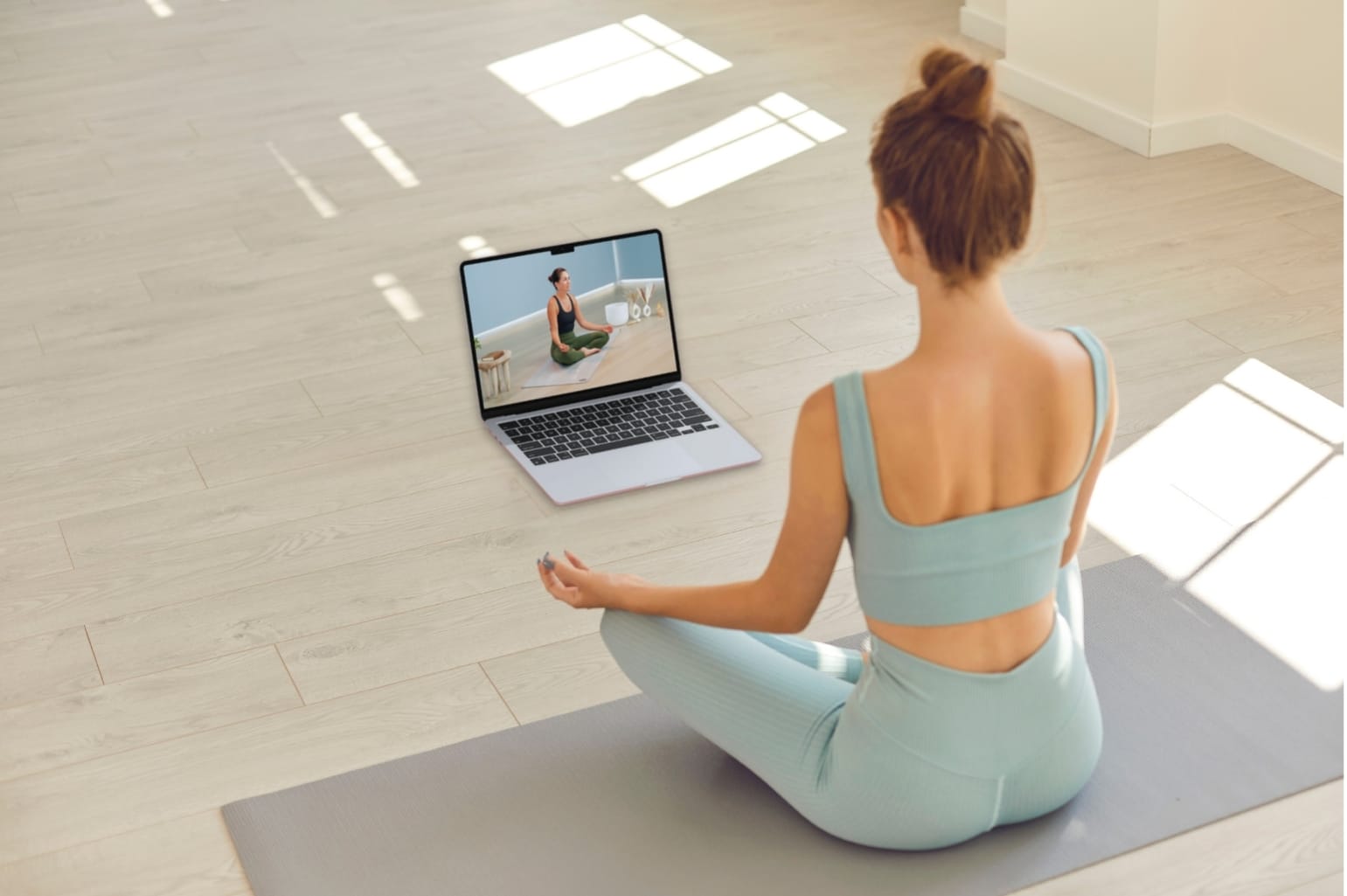
Guided meditation involves following verbal instructions from a teacher, coach, or audio track. It often includes cues on breathing, visualization, posture, and mental focus.
According to a 2022 systematic review published in Frontiers in Psychology, guided meditation was especially effective for beginners because external cues helped reduce “wandering thoughts” and improve focus. In short, guidance helps keep your mind from drifting.
Many guided meditations also use sound therapy, affirmations, or mindfulness prompts to deepen relaxation and promote specific outcomes such as better sleep, reduced anxiety, or post-workout recovery.
What Is Meditating on Your Own?
Self-guided meditation (sometimes called “silent meditation”) is when you sit without external guidance. You choose your focus, whether that’s your breath, a mantra, or body awareness, and practice staying present. This approach can feel more challenging at first. Without prompts, it’s easy to get distracted.
However, research from the Journal of Cognitive Enhancement (2021) shows that practitioners who develop a consistent solo meditation habit often report greater self-awareness and emotional regulation over time.
In other words, while solo meditation may take longer to master, it can lead to deeper internal resilience.
Benefits of Guided Meditation
- Easier for Beginners
Guidance reduces uncertainty and gives structure, making it less intimidating for those new to meditation. - Variety and Focused Outcomes
Guided sessions can target specific needs: stress reduction, energy boosting, better sleep, or emotional balance. - Consistency
Having a coach or recording to follow increases accountability and makes it easier to maintain a daily habit. - Multi-Sensory Experience
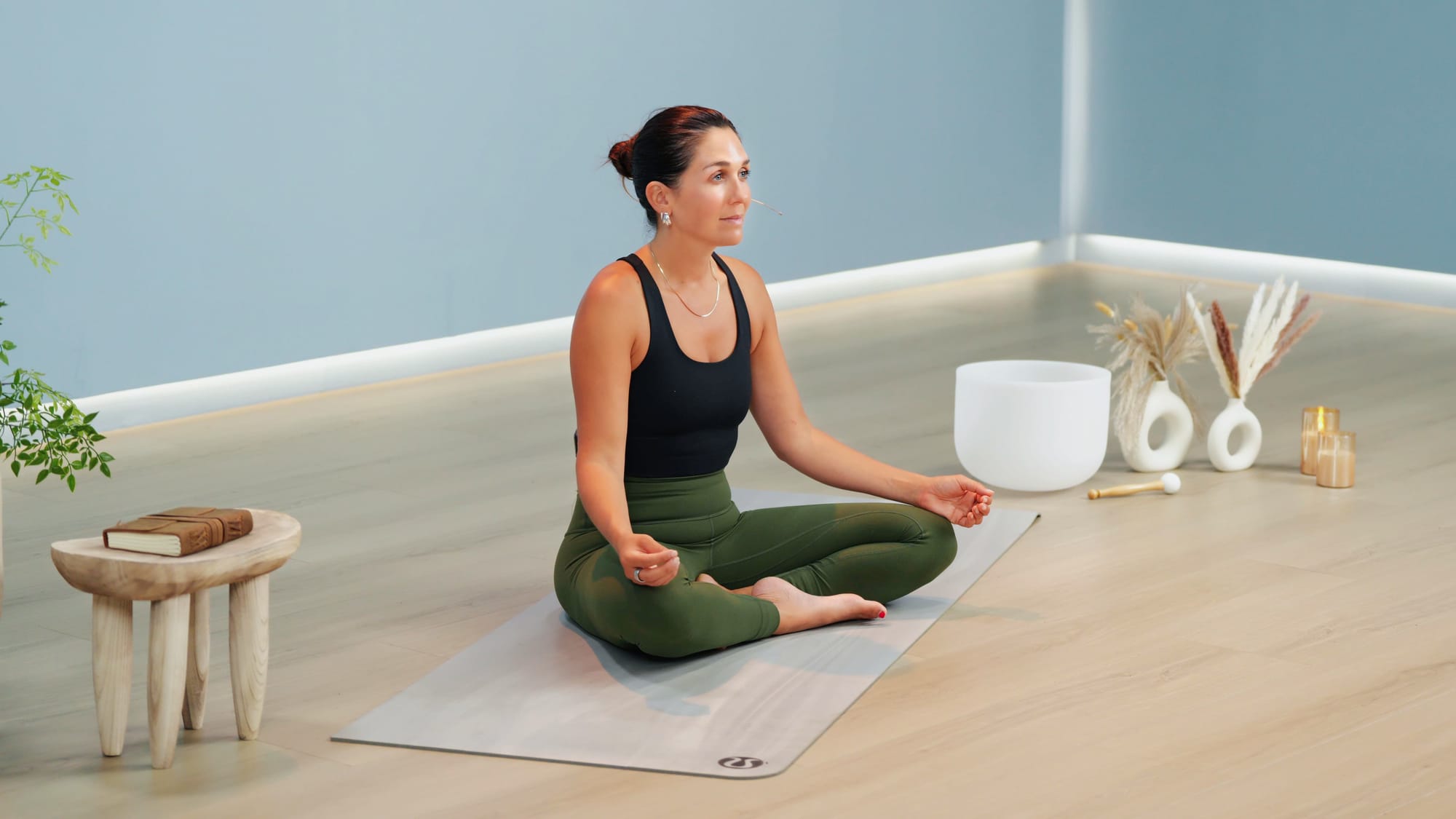
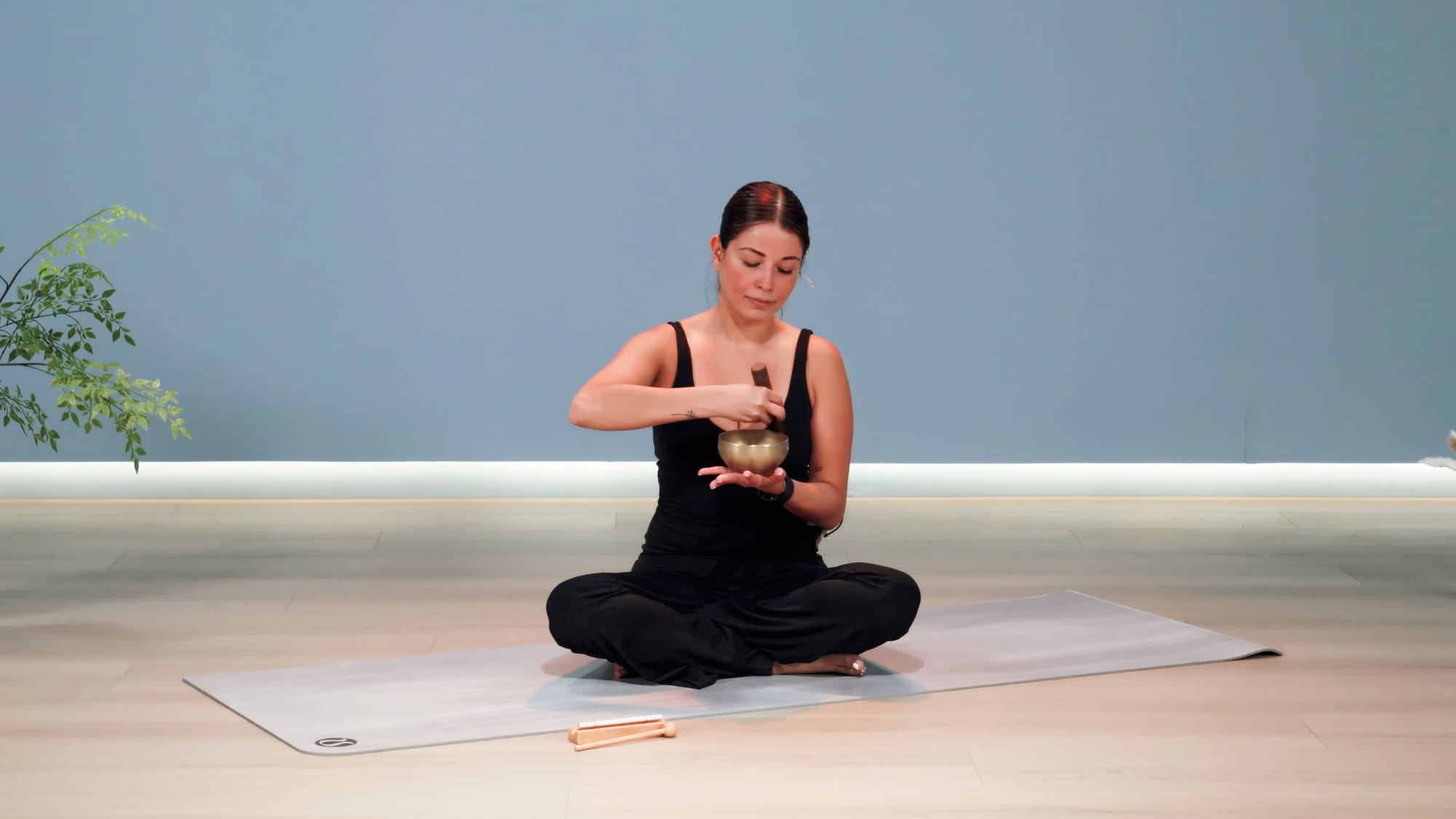
Many guided meditations incorporate soothing music, sound healing instruments (like singing bowls), or breath cues that enhance relaxation.
Benefits of Meditating on Your Own
- Flexibility
You can meditate anywhere, anytime—no phone, headphones, or internet required. - Deeper Self-Exploration
Without external prompts, you learn to rely on your own awareness and inner voice. - Scalability
Solo meditation can grow with you. Whether you practice for five minutes or an hour, you set the pace and structure. - Cost-Effective
Once you’ve developed the skills, meditating on your own is completely free and sustainable long-term.
Which One Should You Choose?
The answer is: both.
Guided meditation provides structure and support, especially during stressful times or when you’re just starting out. Solo meditation allows you to deepen your practice and build inner independence. Think of them as complementary tools rather than competing methods.
Many practitioners rotate between guided sessions and solo practice depending on their goals and energy. For example, you might use a guided sound healing class after yoga, and then spend 10 minutes in silent breathing meditation before bed.
Guided Meditation on Step.co
At Step.co, our meditation and mindfulness classes are designed to meet you where you are. You’ll find:
- Sound Healing for Relaxation — experience guided sessions with resonant instruments that calm the nervous system and help you reset.
- Mindfulness Practices with Real Coaches — from short “reset breaks” to longer guided meditations, designed to fit into busy schedules.
- Stretch & Flow + Meditation — ballet-inspired stretching and yoga-adjacent classes that close with a guided meditation for mind-body balance.
Because Step.co is coach-led, you’re not just listening to an app, you’re learning from real mindfulness instructors who bring expertise, presence, and encouragement. Whether you’re new to meditation or building on your own practice, guided classes help you stay consistent and supported.
FAQs
Q: Is guided meditation better than meditating on my own?
Guided meditation is often more accessible for beginners, while solo meditation develops independence. Both are beneficial, it depends on your goals.
Q: How long should I meditate each day?
Research suggests that even 10 minutes per day can improve focus and reduce stress. Step.co offers short and longer sessions so you can start small and grow.
Q: Can sound healing really help with relaxation?
Yes. A 2020 study in Global Advances in Health and Medicine found that sound baths significantly reduced tension, anger, and fatigue while improving well-being. Step.co’s sound healing classes build on this evidence with coach-led guidance.
Final Thoughts
Meditation doesn’t need to be complicated. Whether you choose guided classes or meditating on your own, the key is consistency. Guided sessions can provide structure and variety, while solo practice strengthens inner focus. Together, they create a powerful pathway to better mental, emotional, and physical health.
With Step.co’s growing library of guided meditation and sound healing classes, you can explore both options and discover what works best for you - anytime, anywhere.
Join for free today! Start exploring...
Read More

How Can Women Over 40 Lose Visceral Fat?
Women over 40 can reduce visceral fat through a combination of regular aerobic movement such as brisk walking, strength training, healthy nutrition, adequate recovery, and a routine they can maintain consistently. You cannot target visceral fat with abdominal exercises alone, and there is no special heart-rate zone that selectively melts belly fat. The strongest evidence supports reducing overall body fat while preserving muscle and staying physically active across the week. For women entering

Is Walking a Good Workout for Busy Adults Over 40?
Yes, walking is one of the best workout choices for busy adults over 40 because it is low-impact, easy to repeat, and strongly linked to better heart health, longevity, mood, and daily energy. For people who do not have time for long gym sessions, walking offers a realistic way to build a healthier lifestyle. The challenge is not whether walking works. The challenge is staying consistent. This is where Step.co’s Walk and Talk feature makes walking more useful, more accountable, and more social.

What Is Social Fitness and Why Does It Help You Stay Consistent?
Social fitness means using connection, accountability, and shared movement to make exercise easier to repeat. Research shows that people are more likely to stay active when they feel supported by others, whether that support comes from friends, family, coaches, or a live class community. For many people, social fitness works because it turns exercise from a private task into a shared routine. This is why Step.co is bringing social movement into the app through features like Workout Together and