
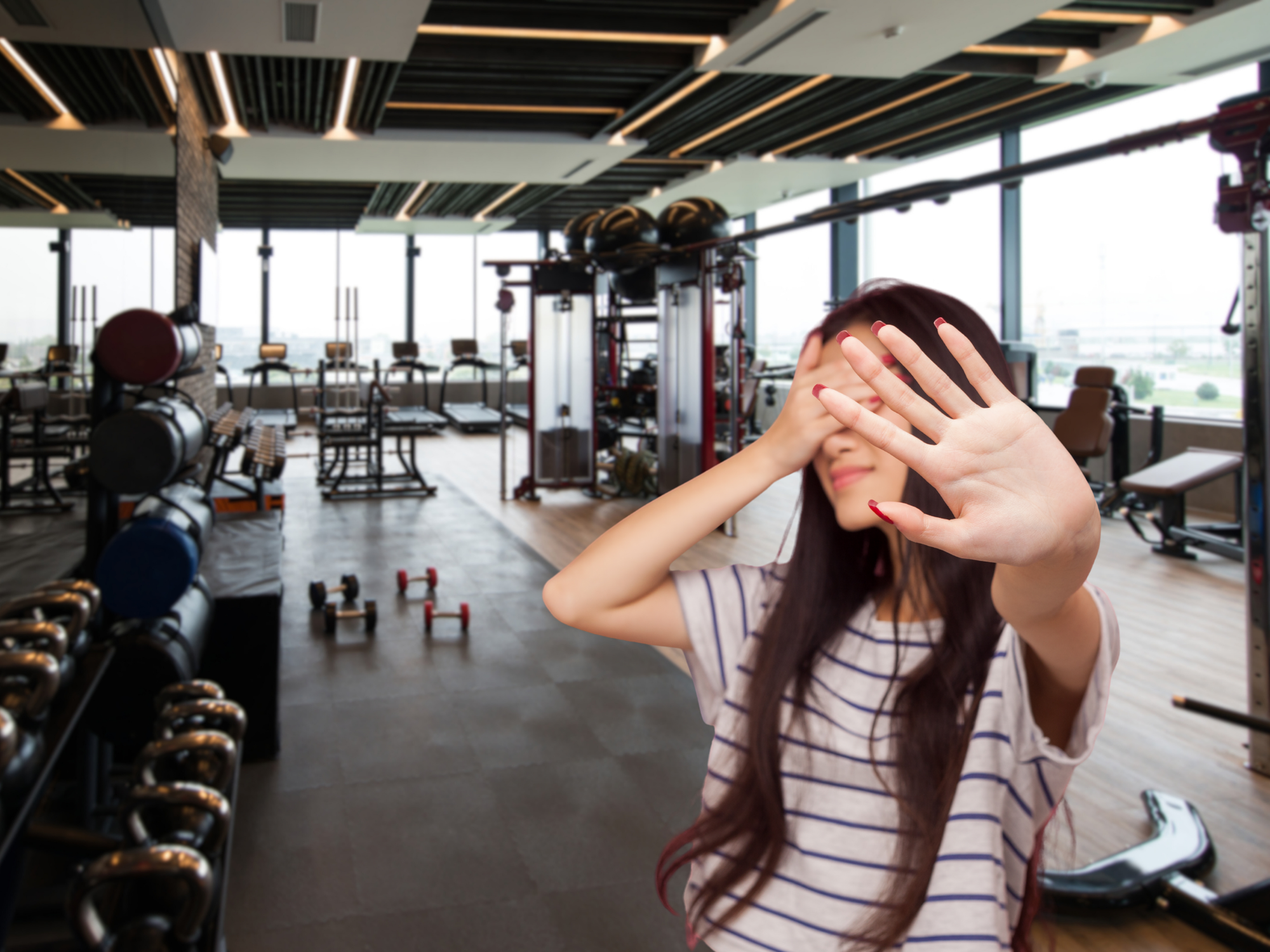
How to Start Exercising If You Are Embarrassed to Go to a Gym?
You do not need to go to a gym to get fit, and avoiding the gym because of embarrassment is extremely common. Research shows that anxiety, fear of judgment, and lack of confidence are among the top reasons people delay or avoid exercise altogether. The healthiest way to start is to remove the environment that causes stress and build confidence privately, at your own pace.
This guide explains why gym embarrassment happens, why it is not a personal failure, and how to start exercising safely and confidently without stepping into a gym.
Why So Many People Feel Embarrassed at the Gym
Gym anxiety is not about laziness or lack of willpower. It is a psychological response to unfamiliar social environments.
Common reasons include:
- Feeling watched or judged by others
- Not knowing how to use equipment correctly
- Worrying about looking out of shape or inexperienced
- Fear of being compared to fitter people
- Sensory overload from mirrors, noise, and crowds
Studies in exercise psychology show that people who feel socially exposed are significantly less likely to start or maintain a fitness routine. Removing that exposure increases adherence and consistency.
Is It OK to Avoid the Gym Entirely?
Yes. Avoiding the gym is not a setback. It is often the smartest starting point.
There is no scientific requirement to exercise in a public gym. Strength, cardio, mobility, and balance can all be trained effectively at home using bodyweight, low-impact movement, and guided sessions.
In fact, home-based exercise programs often show higher long-term adherence for beginners because they reduce stress and decision fatigue.
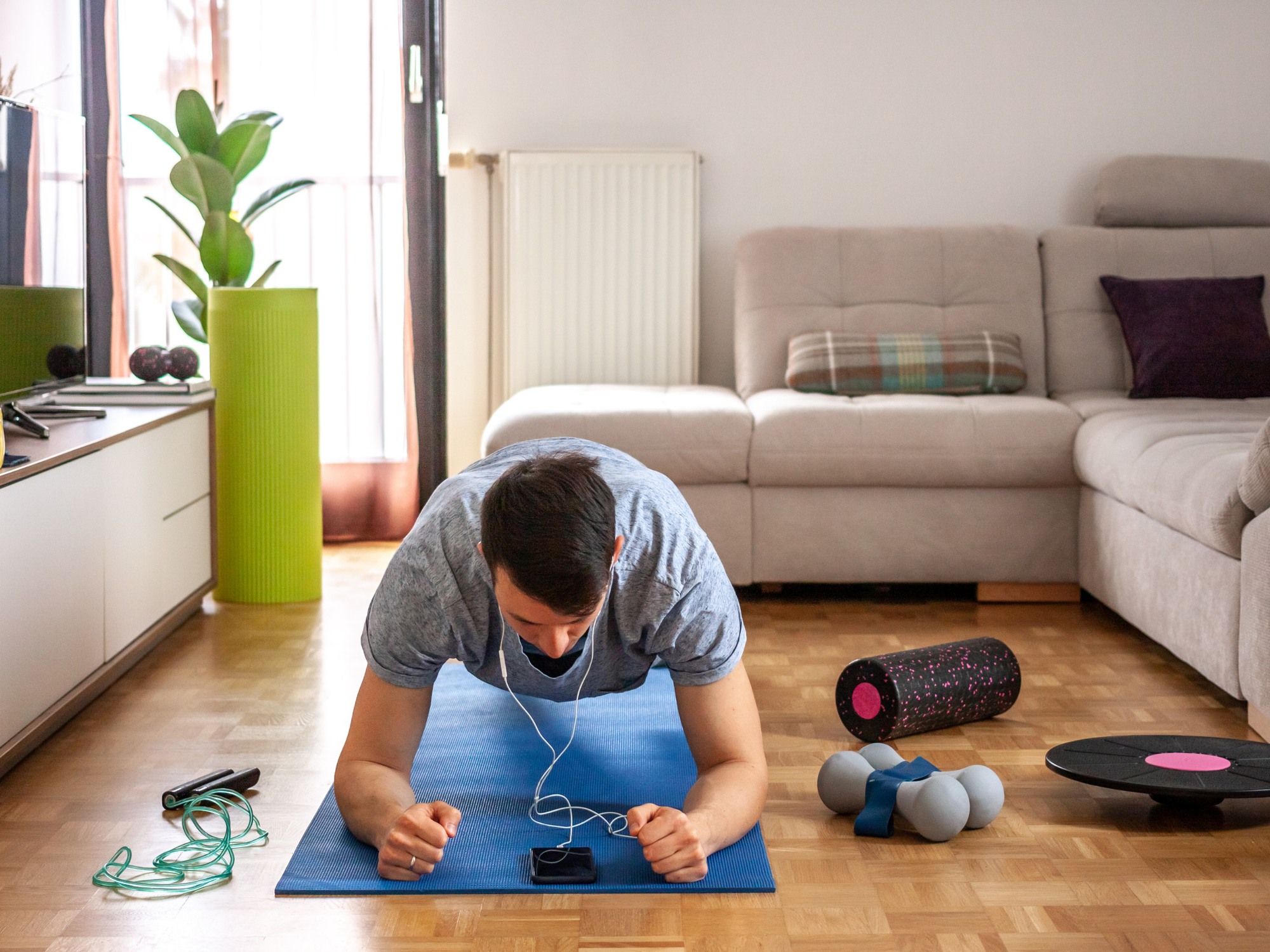
How to Start Exercising Without Going to a Gym
1. Start in a private, familiar space
Exercising at home removes the social pressure that causes embarrassment. You can focus on learning movements rather than worrying about how you look.
A quiet space, comfortable clothing, and minimal setup are enough.
2. Choose guided workouts, not random routines
One reason gym anxiety persists is uncertainty. Not knowing what to do increases self-consciousness.
Guided classes provide:
- Clear instructions
- Reassurance that you are doing enough
- A defined start and end
This removes guesswork and builds confidence.
3. Begin with low-impact, low-judgment movement
You do not need intense workouts to start.
Effective beginner-friendly options include:
- Gentle full-body strength
- Pilates or core-focused sessions
- Low-impact cardio
- Mobility and recovery flows
These forms of movement improve confidence, coordination, and body awareness without overwhelming the nervous system.
4. Keep sessions short to reduce pressure
Short workouts lower the emotional barrier to starting.
Research shows that even 5 to 15 minutes of consistent movement improves health outcomes and increases the likelihood of forming a habit.
Short sessions also reduce the fear of being “bad at exercise.”
5. Build confidence before adding social environments
Confidence comes from familiarity, not exposure.
Once you understand basic movements and feel physically capable, the idea of a gym or group setting often becomes less intimidating. Many people eventually choose to stay home because it works better for their lifestyle.
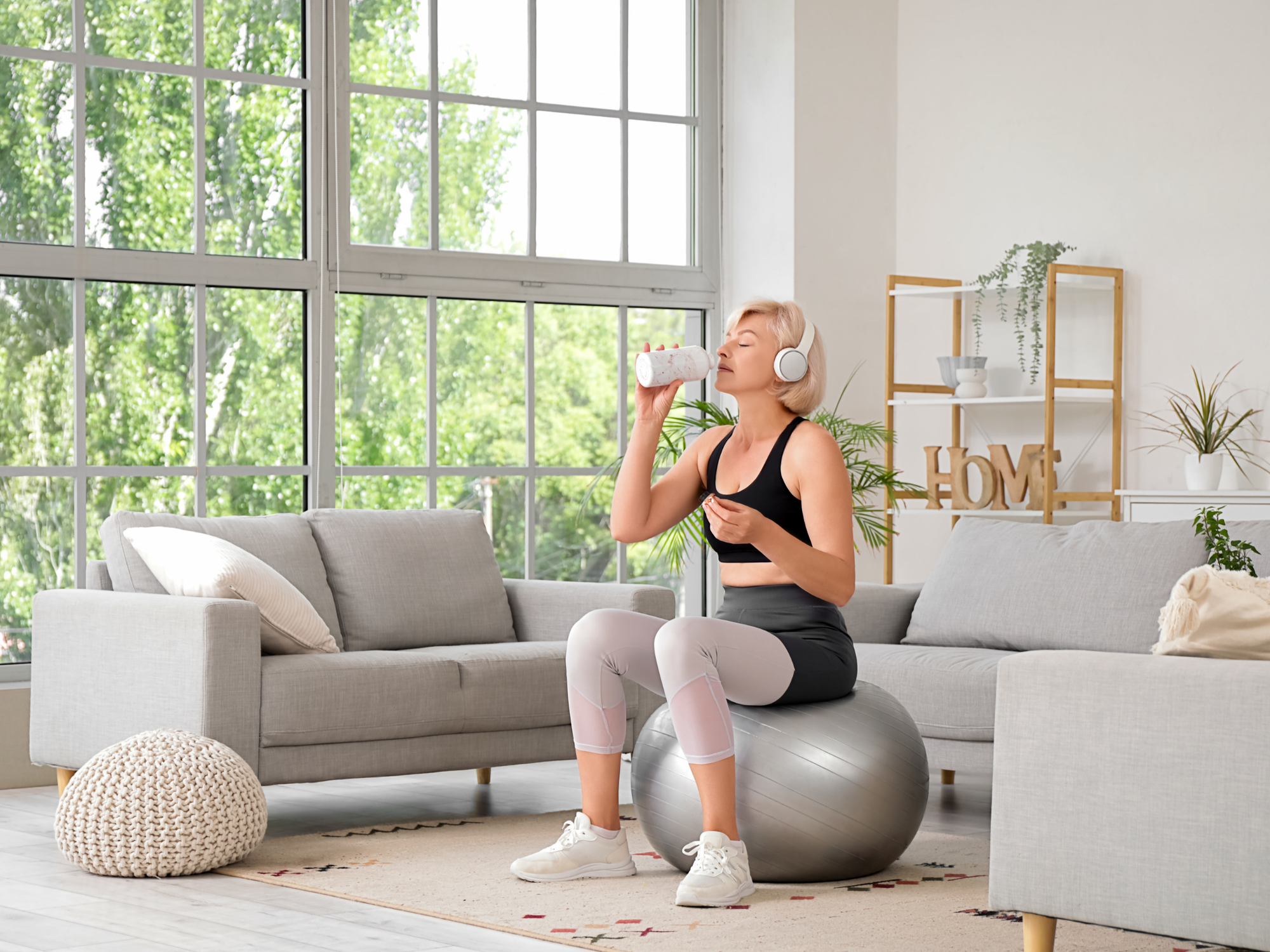
Why Home-Based Fitness Works Better for Anxious Beginners
Home workouts:
- Remove social comparison
- Allow you to learn at your own pace
- Reduce stress hormones that interfere with habit formation
- Improve consistency through convenience
Psychological safety is a critical but overlooked factor in fitness success.
How Step.co Supports People Who Feel Gym Anxiety
Step.co is designed specifically for people who want to move without pressure, performance, or public judgment.
Step supports gym-anxious beginners by offering:
- Fully guided classes you can do at home
- No mirrors, no crowds, no comparison
- Short sessions that fit into real life
- Low-impact options focused on strength, cardio, and mobility
- A calm, supportive coaching style rather than hype
You do not need to be confident to start. Confidence grows as a result of starting.
What Progress Looks Like When You Start This Way
People who start exercising privately often notice:
- Reduced anxiety around movement
- Improved body awareness and coordination
- Increased energy without burnout
- Willingness to try new activities over time
The goal is not to become a gym person. The goal is to become a healthier, more confident version of yourself.
Common Questions About Exercising Without a Gym
Is exercising at home as effective as the gym?
Yes. Strength, cardio, and mobility can all be trained effectively at home using bodyweight and guided sessions, especially for beginners.
Do I need equipment to get results?
No. Bodyweight workouts, Pilates, and low-impact cardio can significantly improve health, strength, and mobility.
What if I still feel embarrassed exercising alone?
Start with shorter sessions and low-intensity movement. Familiarity reduces self-consciousness over time.
Can I eventually transition to a gym if I want?
Yes. Many people find that starting privately builds the confidence needed to explore other environments later.
Final Takeaway
If you feel embarrassed going to a gym, the solution is not to force yourself into an environment that causes stress. The solution is to remove the barrier and start in a way that feels safe, private, and manageable.
Exercise should support your mental health, not challenge it.
Starting at home is not avoiding fitness. It is choosing a smarter, kinder way to begin.
Download Step App and Start Moving Today!
Read More

How Can Women Over 40 Lose Visceral Fat?
Women over 40 can reduce visceral fat through a combination of regular aerobic movement such as brisk walking, strength training, healthy nutrition, adequate recovery, and a routine they can maintain consistently. You cannot target visceral fat with abdominal exercises alone, and there is no special heart-rate zone that selectively melts belly fat. The strongest evidence supports reducing overall body fat while preserving muscle and staying physically active across the week. For women entering
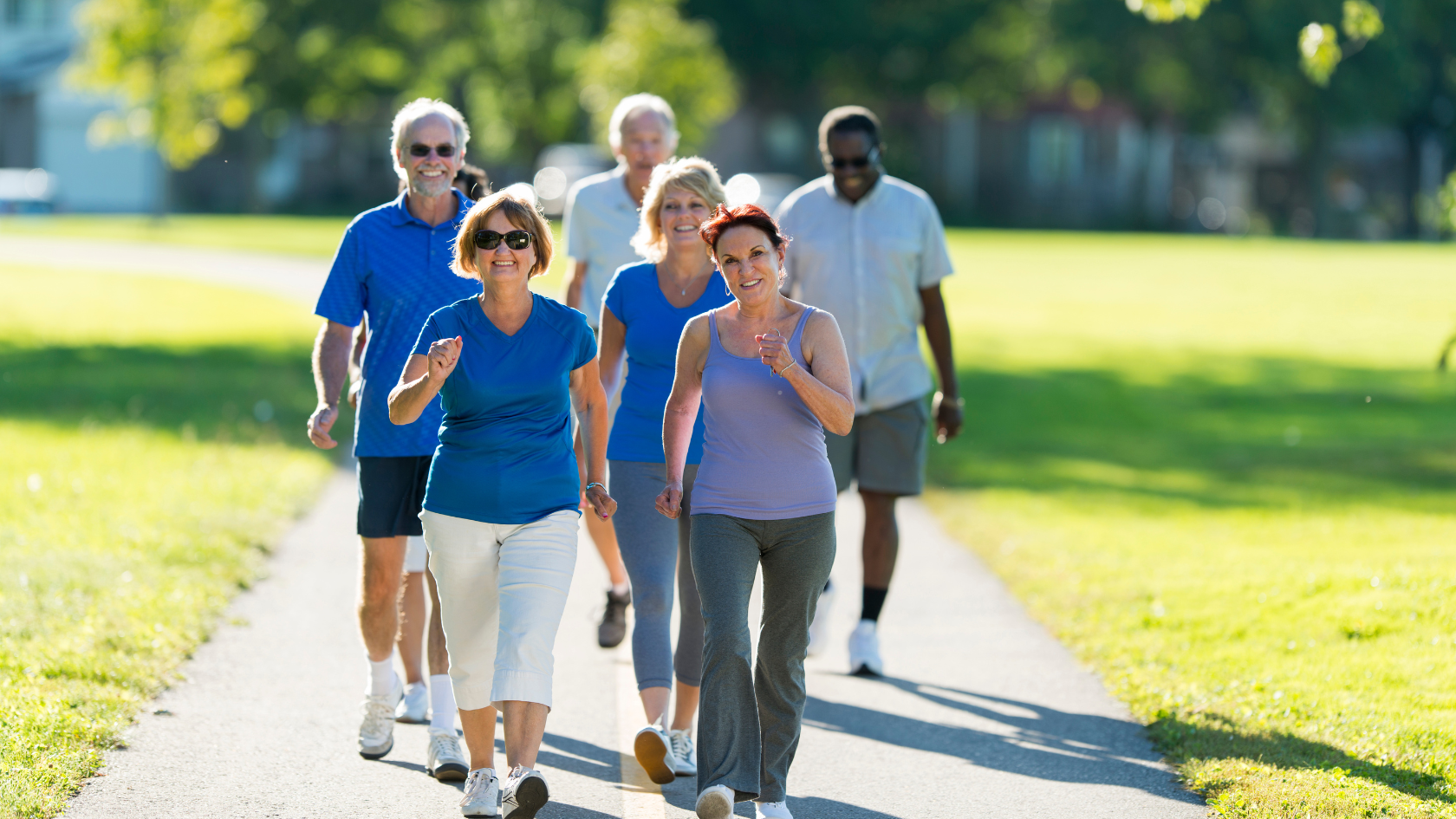
Is Walking a Good Workout for Busy Adults Over 40?
Yes, walking is one of the best workout choices for busy adults over 40 because it is low-impact, easy to repeat, and strongly linked to better heart health, longevity, mood, and daily energy. For people who do not have time for long gym sessions, walking offers a realistic way to build a healthier lifestyle. The challenge is not whether walking works. The challenge is staying consistent. This is where Step.co’s Walk and Talk feature makes walking more useful, more accountable, and more social.
What Is Social Fitness and Why Does It Help You Stay Consistent?
Social fitness means using connection, accountability, and shared movement to make exercise easier to repeat. Research shows that people are more likely to stay active when they feel supported by others, whether that support comes from friends, family, coaches, or a live class community. For many people, social fitness works because it turns exercise from a private task into a shared routine. This is why Step.co is bringing social movement into the app through features like Workout Together and