
The 3 Movements Your Body Needs to Stay Strong, Energetic, and Mobile for Life
Most people think fitness is about working harder, sweating more, or following the latest trend. But when you step back and look at decades of movement science, one thing becomes clear: the body does not thrive on intensity alone. It thrives on balance.
That is why Step is built around three essential movement targets: Strength, Cardio, and Mobility.
These are not categories created for convenience. They reflect how the human body actually functions, adapts, and stays healthy over time. When these three movements are trained in balance and adjusted as life changes, fitness becomes sustainable instead of exhausting.
This philosophy is the foundation of Step’s evolution toward adaptive movement coaching.
Why Most Fitness Programs Miss the Big Picture
Many programs overemphasize one type of movement. Some push cardio every day. Others focus only on strength. Many treat mobility as optional or something to do only when you are injured.
The problem is not effort. It is imbalance.
Research consistently shows that one-dimensional training leads to:
- Plateaus and stalled progress
- Joint pain and overuse injuries
- Fatigue and burnout
- Loss of motivation
The body is a system. Training only one part of that system eventually creates friction.
Step’s three targets exist to solve this exact problem.
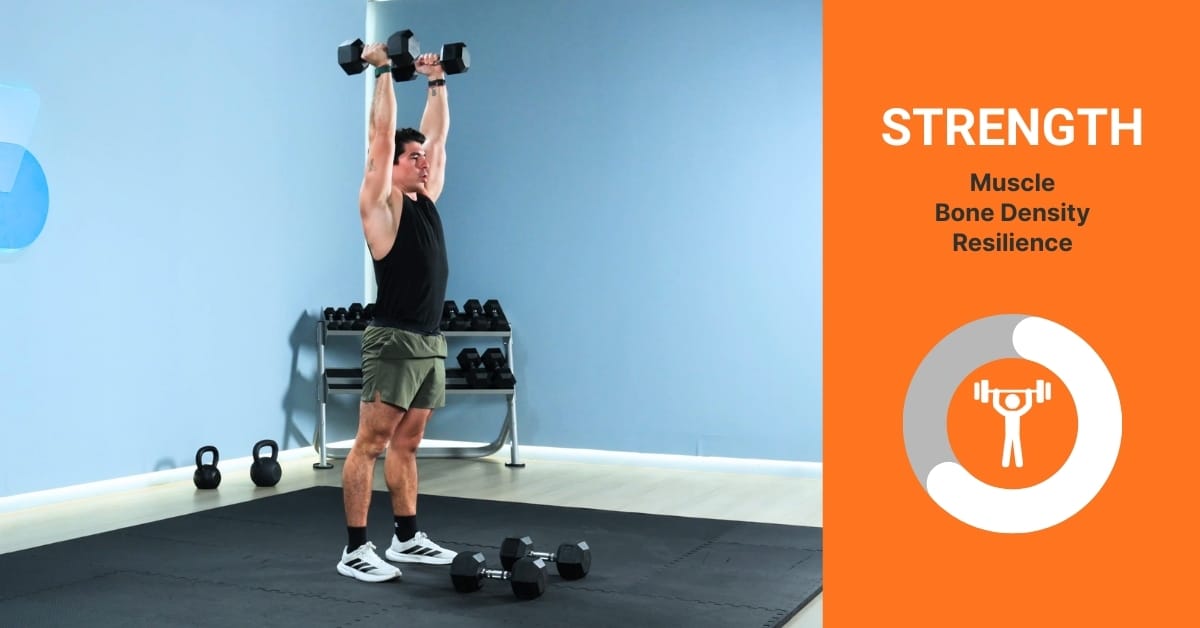
Target One: Strength Builds Resilience, Not Just Muscle
Strength is often associated with aesthetics, but its real value is resilience.
As we age, muscle mass and bone density naturally decline unless we actively maintain them. Strength training supports:
- Joint stability and injury prevention
- Bone health and fracture resistance
- Metabolic health and insulin sensitivity
- Confidence in daily movement
Without strength, even simple activities become harder over time. This is why Step treats strength as a foundational target, not an optional add-on.
Classes like full-body strength, bodyweight training, and controlled resistance work help maintain a strong base that supports everything else you do.
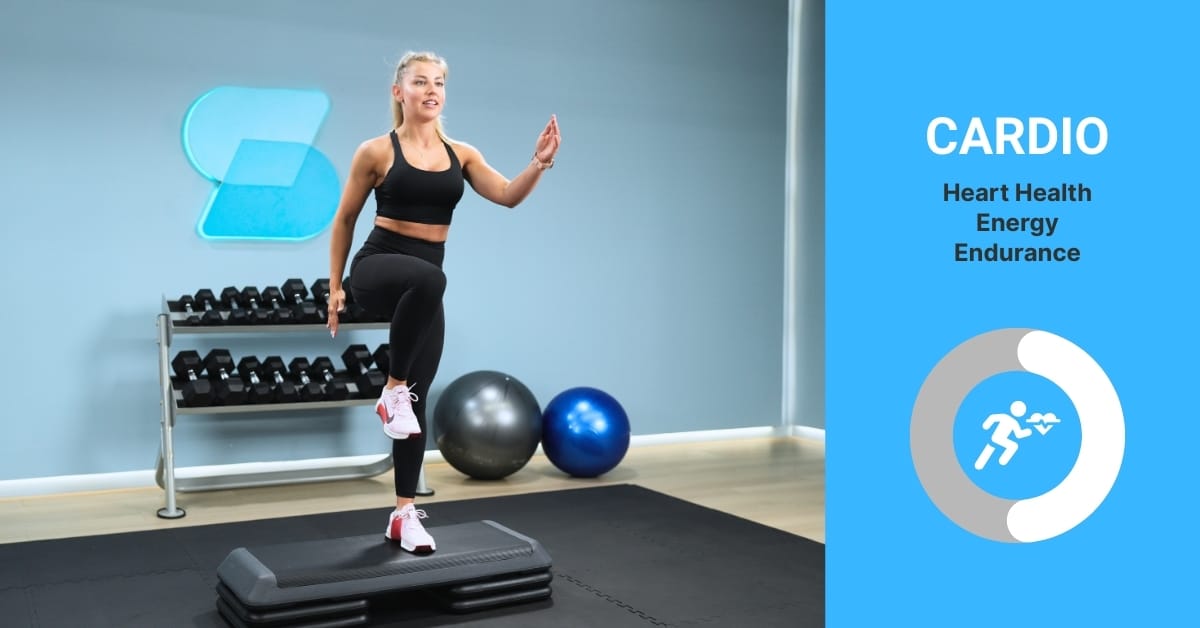
Target Two: Cardio Fuels Energy and Long-Term Health
Cardio is the engine of the body. It supports:
- Heart and vascular health
- Oxygen delivery and endurance
- Brain health and cognitive function
- Daily energy levels
Global health guidelines consistently show that regular cardiovascular activity is linked to lower risk of chronic disease and improved longevity. But cardio does not need to mean extreme intensity.
Step views cardio as adaptable. Walking, dance-based workouts, martial arts, and heart-rate-raising movement all count. What matters is consistency and alignment with your current capacity.
When cardio is balanced with strength and mobility, it becomes energizing instead of draining.
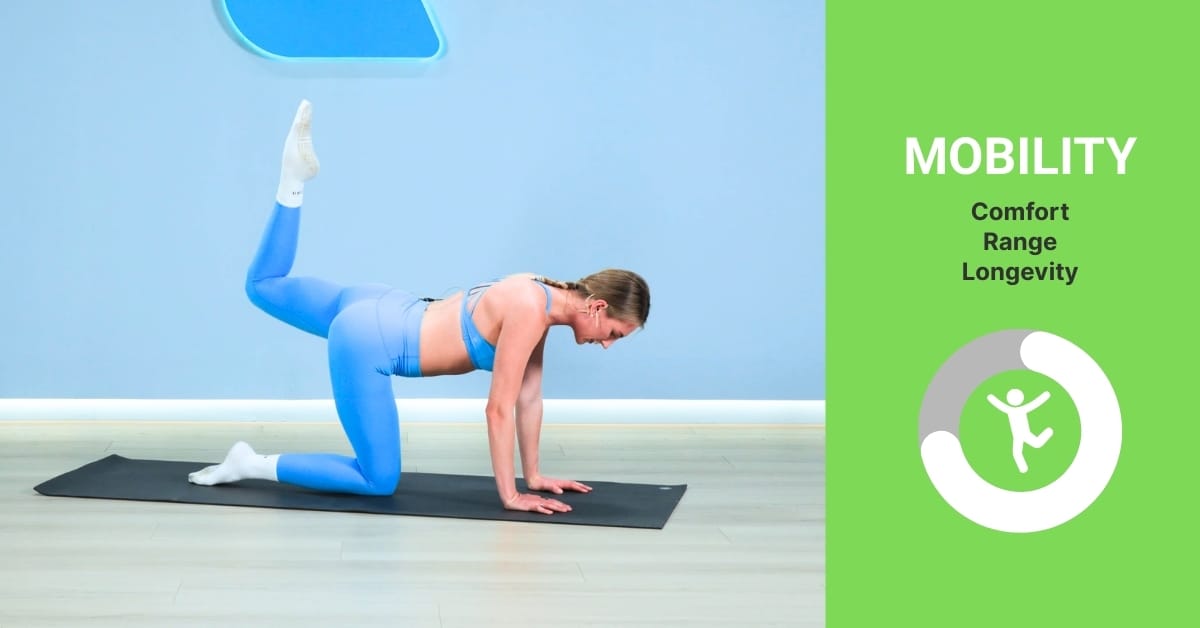
Target Three: Mobility Determines How Well You Age
Mobility is often misunderstood, yet it may be the most important pillar for long-term quality of life.
Mobility supports:
- Joint range of motion and comfort
- Balance and coordination
- Pain reduction and stiffness management
- Safe expression of strength and cardio
Longevity research increasingly shows that mobility is one of the strongest predictors of independence as we age. People who move well stay active longer and recover more effectively.
Step treats mobility as a core requirement, not a recovery afterthought. Classes like Pilates, yoga, and guided recovery flows help maintain movement quality so the body stays adaptable instead of rigid.
Why These Three Movements Must Work Together
Strength without mobility leads to stiffness and injury.
Cardio without strength leads to fragility.
Mobility without strength or cardio limits functional capacity.
The body does not respond well to extremes. It responds to balance.
When Strength, Cardio, and Mobility are trained together, they reinforce one another. This balance supports:
- Better recovery
- Fewer injuries
- More consistent training
- Long-term health and energy
This is the logic behind Step’s three targets.
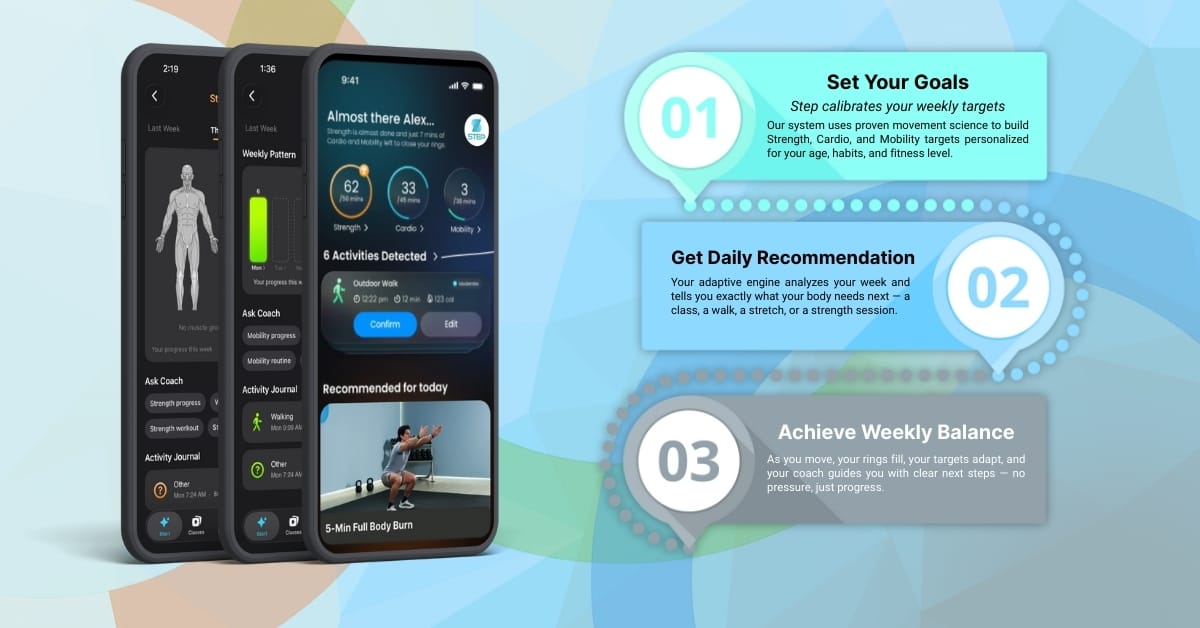
From Targets to Adaptive Movement Coaching
The next evolution of fitness is not about adding more workouts. It is about making smarter movement decisions.
Your body’s needs change week to week. Sleep, stress, age, work demands, and recovery all influence what type of movement is most beneficial at a given time.
Step’s adaptive movement coaching is built on the idea that these three targets are dynamic, not fixed. Instead of forcing a rigid plan, Step helps guide movement choices so training stays aligned with how your body is responding.
This approach reduces decision fatigue, removes guilt, and supports consistency.
Why This Matters for Real People
For busy professionals, the three pillars prevent burnout and wasted effort.
For beginners, they provide clarity and confidence.
For people over 40, they protect joints, energy, and longevity.
For former athletes, they enable intelligent training without overuse.
The pillars create a shared framework that adapts to different lives, bodies, and goals.
A Smarter Way to Move Forward
Fitness does not need to be extreme to be effective. It needs to be intentional.
By grounding movement in Strength, Cardio, and Mobility, Step is building a system that supports how people actually live, age, and recover. This balanced approach is what allows fitness to become a lifelong practice rather than a short-term phase.
This is not about doing more. It is about moving better.
Available in App Store
Read More

How Can Women Over 40 Lose Visceral Fat?
Women over 40 can reduce visceral fat through a combination of regular aerobic movement such as brisk walking, strength training, healthy nutrition, adequate recovery, and a routine they can maintain consistently. You cannot target visceral fat with abdominal exercises alone, and there is no special heart-rate zone that selectively melts belly fat. The strongest evidence supports reducing overall body fat while preserving muscle and staying physically active across the week. For women entering
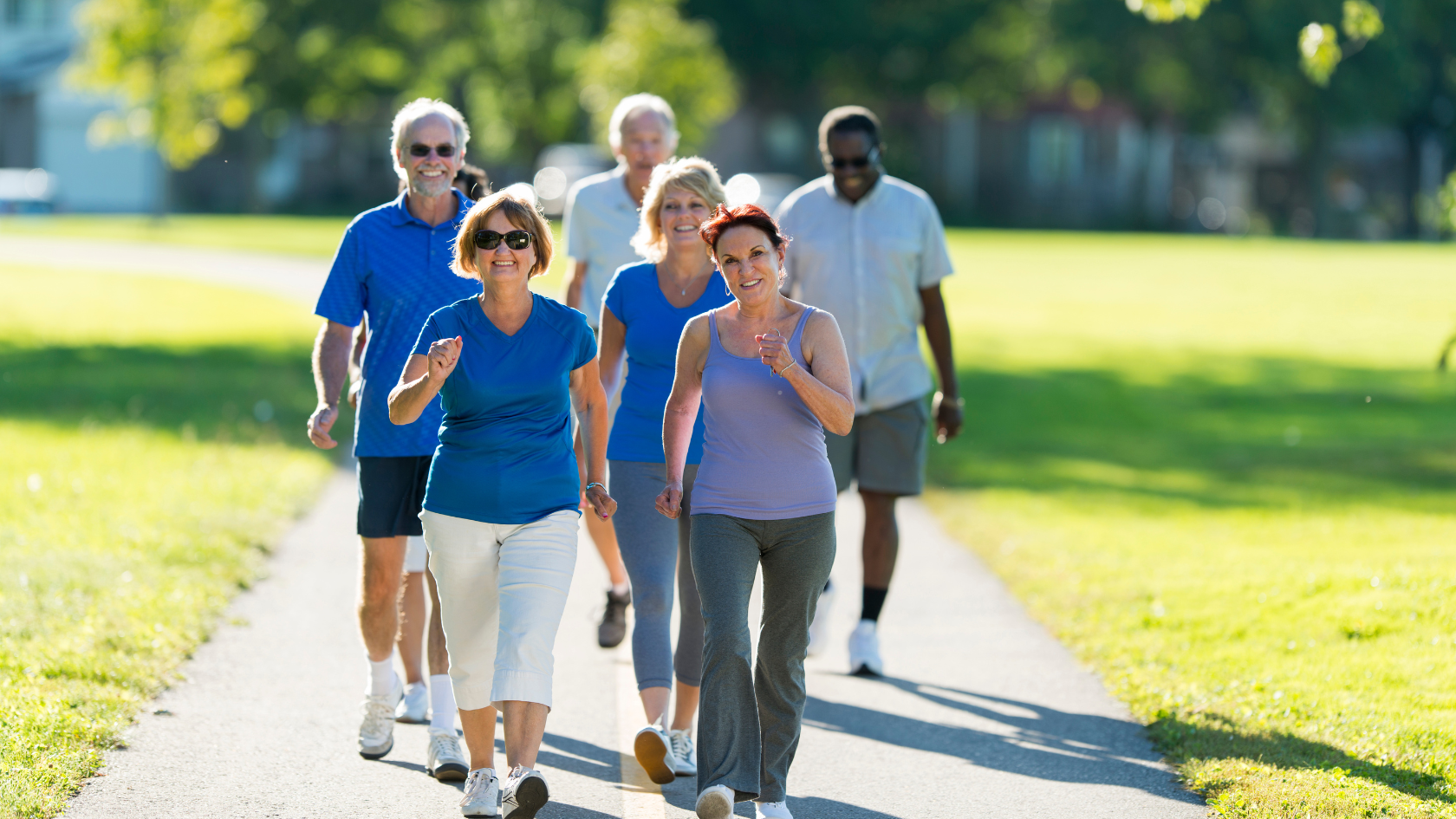
Is Walking a Good Workout for Busy Adults Over 40?
Yes, walking is one of the best workout choices for busy adults over 40 because it is low-impact, easy to repeat, and strongly linked to better heart health, longevity, mood, and daily energy. For people who do not have time for long gym sessions, walking offers a realistic way to build a healthier lifestyle. The challenge is not whether walking works. The challenge is staying consistent. This is where Step.co’s Walk and Talk feature makes walking more useful, more accountable, and more social.
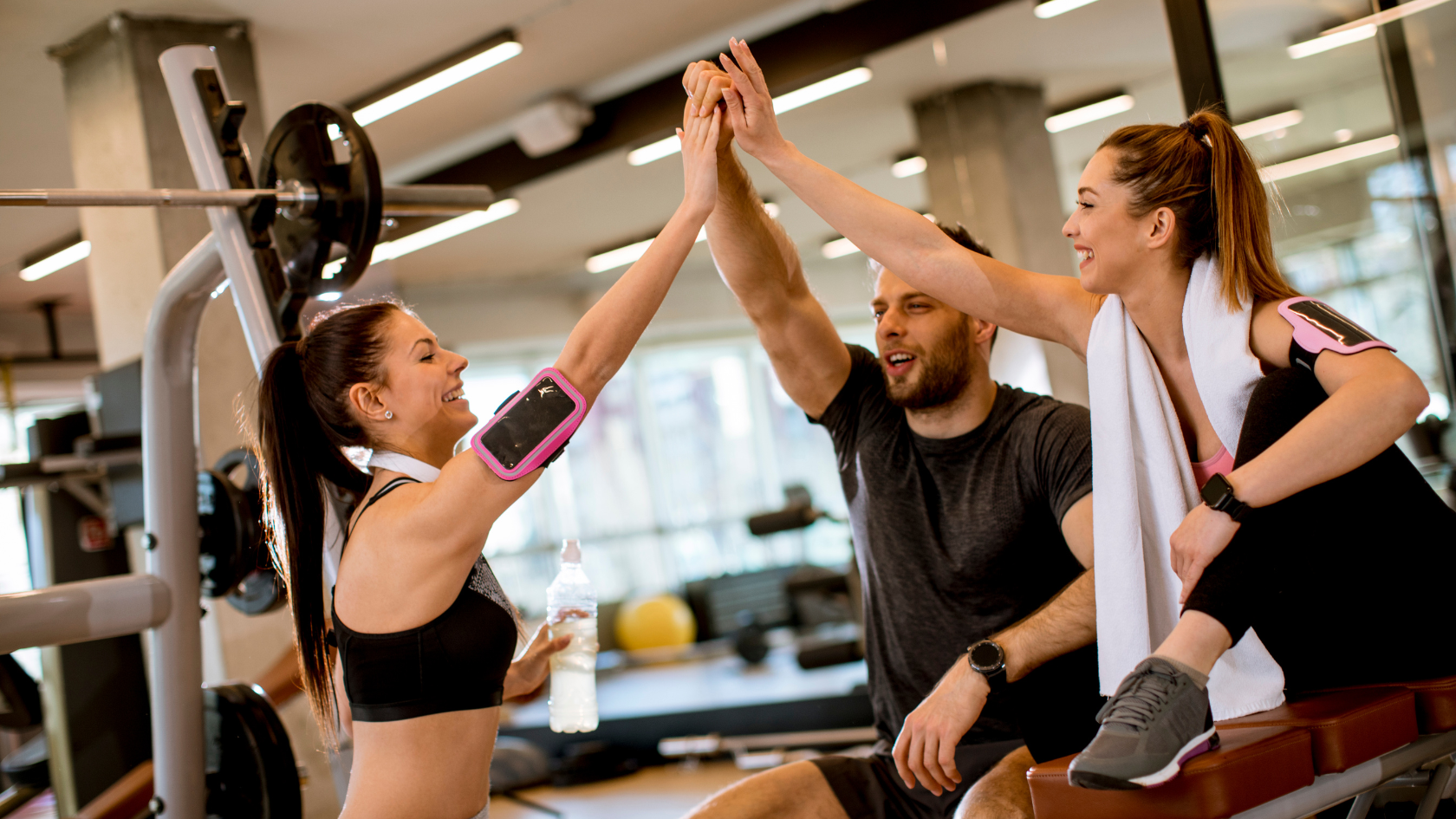
What Is Social Fitness and Why Does It Help You Stay Consistent?
Social fitness means using connection, accountability, and shared movement to make exercise easier to repeat. Research shows that people are more likely to stay active when they feel supported by others, whether that support comes from friends, family, coaches, or a live class community. For many people, social fitness works because it turns exercise from a private task into a shared routine. This is why Step.co is bringing social movement into the app through features like Workout Together and